Maine Lobstermen Save 90 Endangered Whales
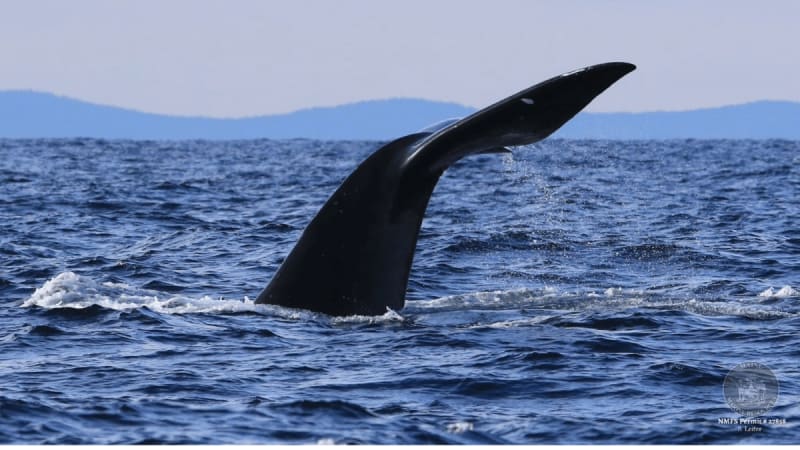
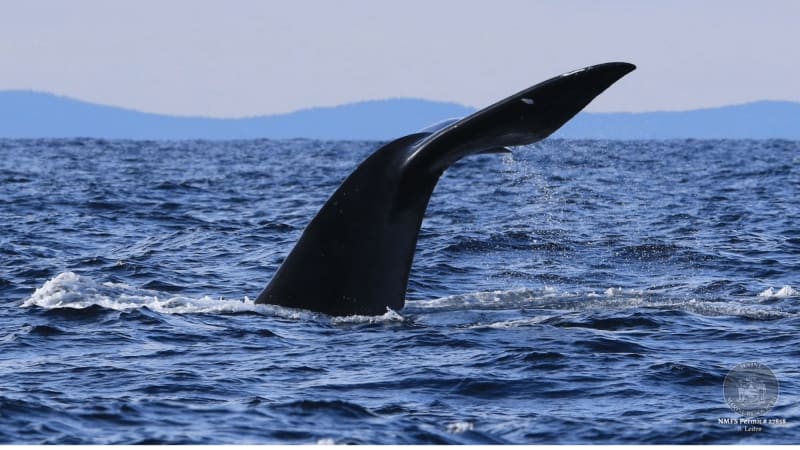
When 90 critically endangered North Atlantic right whales appeared unexpectedly off New Hampshire's coast, Maine lobstermen made a choice that saved lives. They voluntarily pulled their fishing lines to protect the whales, proving that fishermen and conservationists can work together.
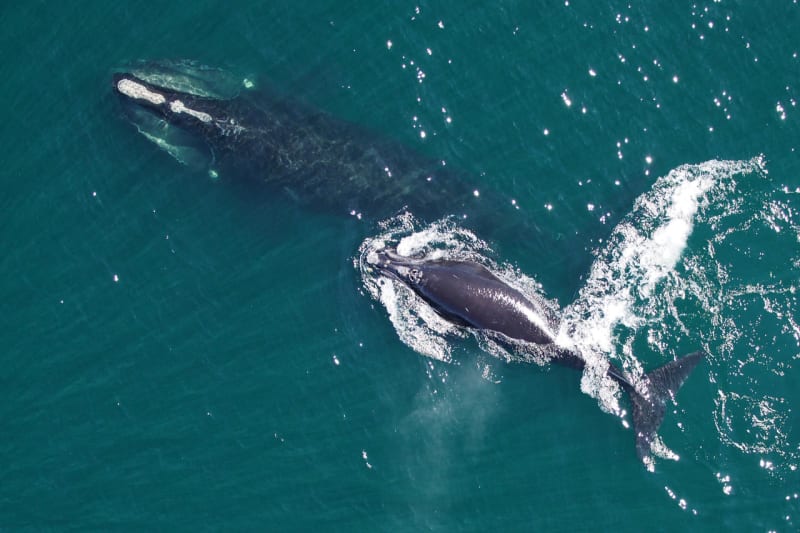
Last January, a group of Maine lobstermen couldn't haul in their traps from Jeffrey's Ledge, an underwater ridge 25 miles off New Hampshire's coast. The reason surprised everyone: over 90 critically endangered North Atlantic right whales had gathered there, likely following their food.
"No fisherman wants to harm a right whale, so we're willing to bend over backwards to make this work," says lobsterman Chris Welch. The lobstermen called an emergency meeting and made an unprecedented decision.
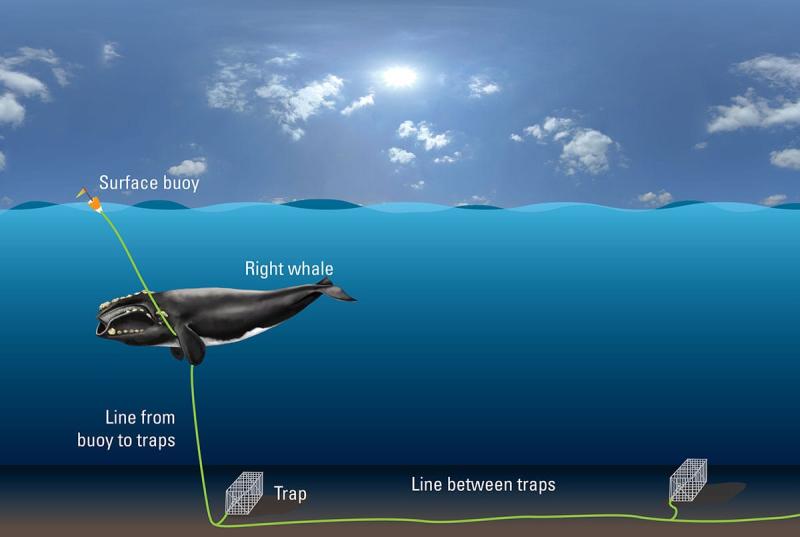
They dropped their northeast fishing lines to reduce ropes in the water. Whales can get tangled in the endlines connecting lobster traps, and entanglements can be fatal.
This voluntary choice went against standard fishing protocol, but it ensured the whales' safety. The result? Zero whale entanglements were reported that month.
The moment highlights a bigger challenge: it's hard to protect what you can't find. With only 380 North Atlantic right whales left alive and just 70 breeding females, every encounter matters.
That's why research scientist Camille Ross and her team are improving whale tracking models. Their breakthrough? Finding whales by finding their food first.
The whales feed on tiny zooplankton called Calanus, creatures smaller than a grain of rice. As ocean temperatures shift, these little critters move, and the whales follow.
The Ripple Effect
Ross's new predictive models now include prey location data, and they work. After incorporating this information, the models showed increased right whale density at Jeffrey's Ledge from November through January.
If these models had been running in real time, lobstermen could have known the whales were coming. But even without that heads up, the fishermen made the right call by alerting Maine's Department of Marine Resources.
"So many of them are such stewards of the ocean, and they care so deeply about these animals," Ross says. The lobstermen created an informal phone chain to alert each other about whale sightings, sharing information like parents texting about their kids.
This collaboration between fishermen and scientists represents a major shift. The seafood industry and conservationists have clashed before, but these Maine lobstermen are now voluntarily protecting the species.
When 25 percent of the entire right whale population gathered in one unexpected spot, concern, communication, and cooperation from all sides saved the day.
More Images

Based on reporting by Google: species saved endangered
This story was written by BrightWire based on verified news reports.
Spread the positivity!
Share this good news with someone who needs it