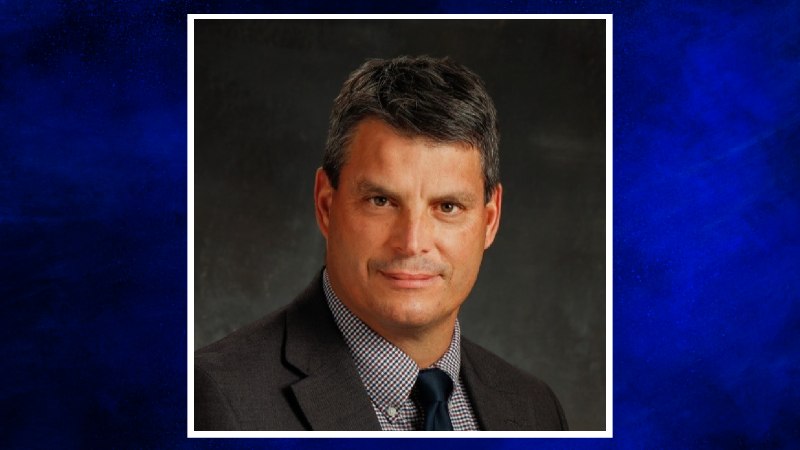
Maine Trooper Finds Hope After 25 Years of Trauma
A retired Maine State Police lieutenant who struggled for years with PTSD from his career has found healing through a unique program designed by a quadruple amputee combat veteran. His recovery is now inspiring other first responders to seek help.
After 25 years of responding to homicides, shootings, and death scenes, retired Maine State Police Lt. Christopher Coleman thought he'd left the trauma behind when he retired in 2016. Instead, the memories came flooding back stronger than ever.
"I started reliving the incidents, homicides, death cases and shootings that I had been involved in," Coleman shared. Sleep became impossible, his family relationships strained, and he changed jobs frequently, unable to find peace.
Coleman tried counseling once but never returned. Like many first responders, he felt stuck with nowhere to turn until he discovered the Travis Mills Foundation in Rome, Maine.
The foundation was created by Travis Mills, a retired Army staff sergeant who survived an IED blast in Afghanistan that left him a quadruple amputee. Mills built his national reputation on a simple motto: "never quit."
The foundation's PATHH Program (Progressive & Alternative Training for Helping Heroes) offers something different from traditional therapy. Veterans and first responders spend a week in Maine followed by 90 days of virtual coaching and peer support.
For Coleman, the breakthrough came during a life-path exercise. "I realized that I have a bright future ahead with my family and I became excited about the future for the first time in decades," he said.
The program taught him to release the guilt and responsibility he'd carried for years. "I could choose to show compassion and kindness to myself," Coleman explained.
The Ripple Effect
Coleman's story is resonating throughout Maine's law enforcement community. Former trooper Tim Marks noted that unlike military veterans, retiring police officers have no structured PTSD support system.
"There is no program for PTSD like the military has. No follow up, you are on your own," Marks said. "I am glad Chris found this program and took advantage of it."
The Travis Mills Foundation is now using Coleman's recovery story to encourage other struggling first responders to seek help. Mills emphasizes that reaching out isn't weakness but the first step toward reclaiming joy in life.
Coleman's transformation shows that healing is possible, even after decades of accumulated trauma.
More Images


Based on reporting by Google News - Recovery Story
This story was written by BrightWire based on verified news reports.
Spread the positivity!
Share this good news with someone who needs it