Major Breakthrough: Scientists Unlock Genetic Keys to Help Deaf Children Worldwide
In an inspiring international effort, researchers have identified over 200 genetic mutations linked to childhood deafness, with more than a third being completely new discoveries. This groundbreaking work promises to transform how families receive genetic counseling and how deaf children receive personalized care around the globe.
A remarkable international collaboration is bringing new hope to families of deaf children worldwide. Scientists from the Pasteur Institute network, working alongside researchers from Algeria, Morocco, Mauritania, and Jordan, have made a significant breakthrough in understanding the genetic foundations of childhood deafness.
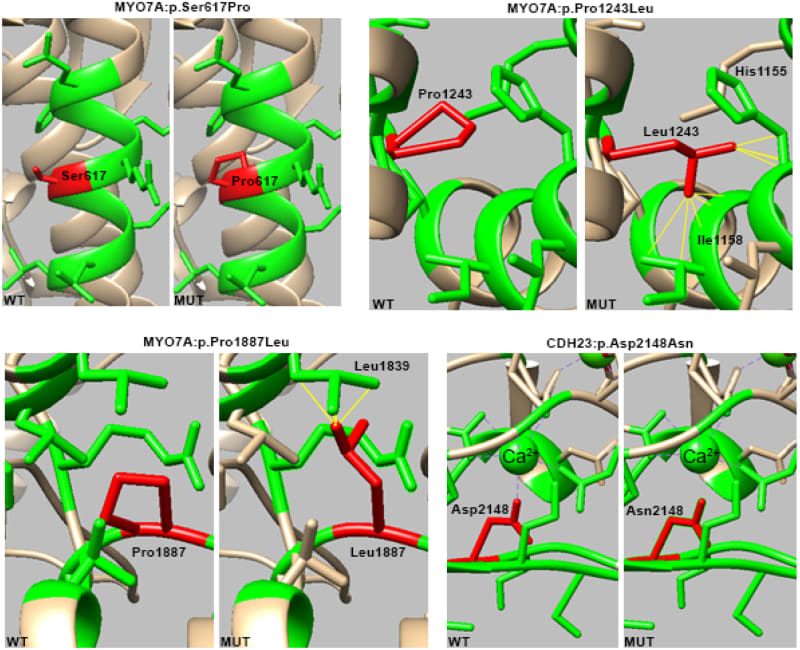
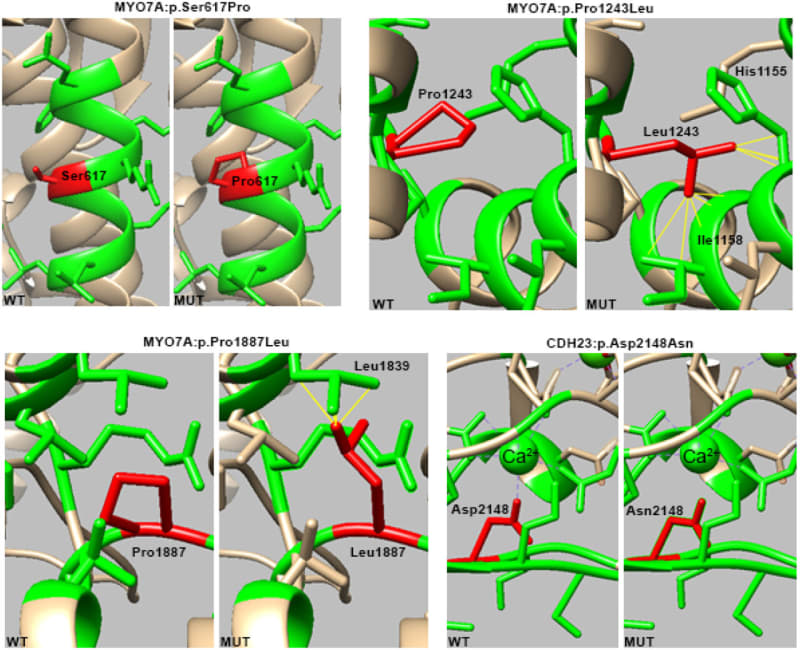
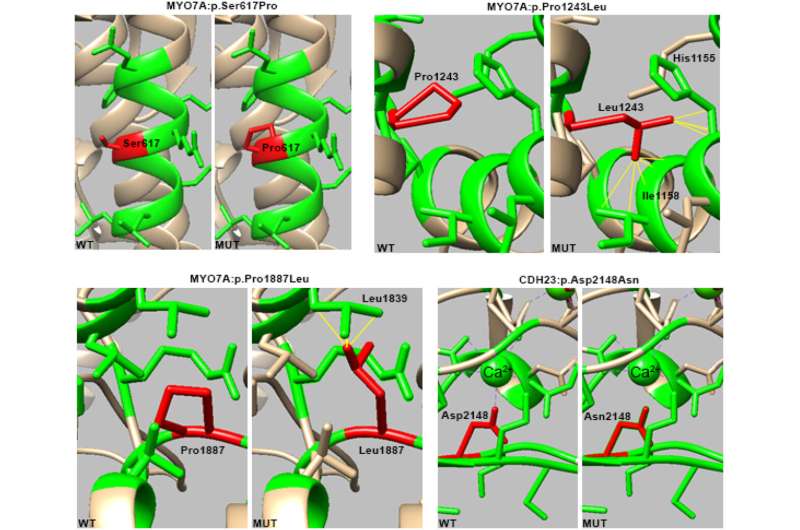
The team's impressive work, published in the prestigious Proceedings of the National Academy of Sciences, analyzed genetic data from 450 patients across multiple countries. Their dedication paid off spectacularly: they identified 211 distinct mutations across 49 genes associated with deafness, with an exciting 36% of these mutations being previously unknown to science.
This discovery represents far more than numbers on a page. For families navigating the complexities of childhood deafness, this research opens doors to better understanding, improved care, and more informed decisions about their children's futures.
The study focused on two main conditions: isolated hearing loss and Usher syndrome type 1, which affects hearing, balance, and vision. One of the most valuable aspects of this research is how it helps distinguish between different types of genetic mutations and their effects, something that has puzzled medical professionals for years.
Crystel Bonnet, a research engineer at the Hearing Therapy Innovation Laboratory, explains that while approximately 154 genes are known to cause isolated deafness, mutations in just about ten of them account for roughly three-quarters of cases in each country studied. This focused insight allows doctors and genetic counselors to work more efficiently when helping families.
Perhaps most encouragingly, the researchers solved a persistent puzzle that has made diagnosis challenging. Some genes can cause either isolated deafness or the more complex Usher syndrome type 1, depending on which mutations they carry. The team successfully reclassified these mutations, providing clarity where there was once confusion.
Christine Petit, who heads the Hearing Therapy Innovation Laboratory, emphasizes the real-world impact of this discovery. The new classification system will help families receive more accurate genetic counseling, enabling them to make better-informed decisions about communication methods for their children, whether that involves cochlear implants, sign language, or other approaches.
The research also highlights the importance of regular ophthalmological monitoring for certain genetic profiles, potentially catching vision problems early and preventing additional complications.
What makes this study particularly heartening is its international scope and collaborative spirit. By bringing together expertise from the Pasteur Network institutions and university hospitals across North Africa and the Middle East, the researchers demonstrated the power of global cooperation in advancing medical science.
For parents who have just learned their child is deaf, this research offers something invaluable: answers. Understanding the genetic basis of their child's condition helps families plan more effectively, access appropriate resources, and connect with support networks.
As genetic testing becomes more accessible and our understanding deepens, the future looks increasingly bright for personalized medicine approaches to childhood deafness. This study represents a significant step forward in ensuring that every deaf child receives care tailored to their specific needs, and every family receives the guidance and support they deserve.
The work continues, but this breakthrough reminds us that through collaboration, dedication, and scientific innovation, we can make meaningful differences in children's lives around the world.
More Images

Based on reporting by Medical Xpress
This story was written by BrightWire based on verified news reports.
Spread the positivity! 🌟
Share this good news with someone who needs it
More Good News
 🧘 Health & Wellness
Breakthrough GLP-1 Study Shows 27% of Global Adults Could Transform Their Health
 🧘 Health & Wellness
Brazilian Scientists Crack Code on Pig-to-Human Kidney Transplants
 🧘 Health & Wellness
Breakthrough Hepatitis B Drug Achieves Functional Cure in Phase 3 Trials
Joke of the Day
Why don't scientists trust atoms?
Explore Categories
Quote of the Day
"The only way to do great work is to love what you do."
— Steve Jobs