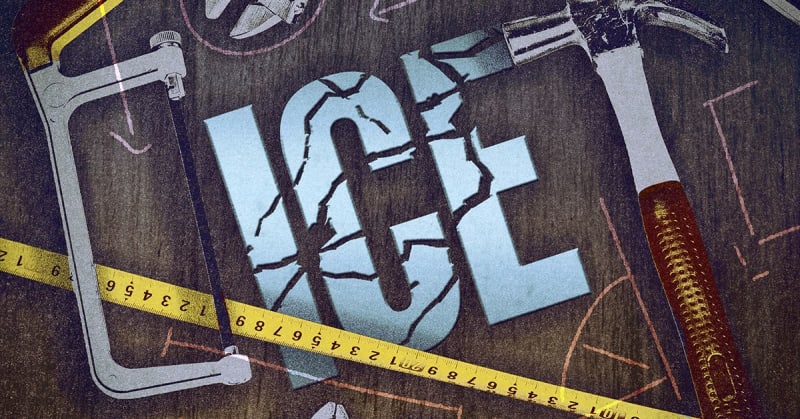
Makers Build Safety Tools for Immigration Communities
Community workshops and maker spaces across America are 3D-printing whistles, building communication networks, and creating safety equipment to help neighbors protect each other. These grassroots tech responses show how everyday people turn anxiety into practical action.
When federal immigration enforcement surged across the country, community workshops didn't just talk about helping. They fired up their 3D printers and got to work.
Maker spaces, those community centers filled with workbenches and 3D printers where anyone can build projects, have become hubs for creating practical safety tools. People are printing thousands of whistles so neighbors can alert each other to nearby activity. They're building camera mounts for observers and creating tourniquets for medical emergencies.
"Resistance is actually pretty practical," says one maker in the Midwest. "Anybody can 3D-print a whistle. Anybody can fix a door or laser-cut stencils."
The projects go beyond simple tools. In New York City, Woody Poulard has been teaching people how to build mesh communication networks using small routers that work without internet or cell towers. Volunteers participated in workshops to build router nodes into phone cases, creating an always-available communication system.
These mesh networks, called Meshtastic, let people send text messages through an off-grid network by placing routers on trees or roofs. If a natural disaster hits or cell towers go down, neighbors can still communicate and coordinate help.
Maker spaces are also hosting fix-it clinics where people can get help repairing broken doors and damaged electronics. They've become meeting points for community readiness conversations and skill-sharing sessions.
In Portland, artist Claire Danielle Cassidy builds solar-panel power banks to keep people's devices charged. She even shares free design files so others can make their own supplies. Her philosophy: effective community support doesn't require stress and fear.
The Ripple Effect
What started as individual makers responding to immediate needs has grown into a nationwide network of mutual aid. The tools and skills being shared in these spaces create lasting infrastructure for community resilience.
The beauty of this movement is its accessibility. The designs are open-source and shareable. Someone in Minnesota can download files created in Portland and build the same tools locally. Knowledge spreads from one maker space to another, strengthening communities everywhere.
These workshops prove that ordinary people with basic tools can create extraordinary support systems. When one person learns to 3D-print a whistle or build a mesh router, they can teach ten others. Those ten teach a hundred more.
Communities are discovering that the best response to uncertainty is neighbors helping neighbors with practical skills and shared resources.
More Images


Based on reporting by Wired
This story was written by BrightWire based on verified news reports.
Spread the positivity!
Share this good news with someone who needs it