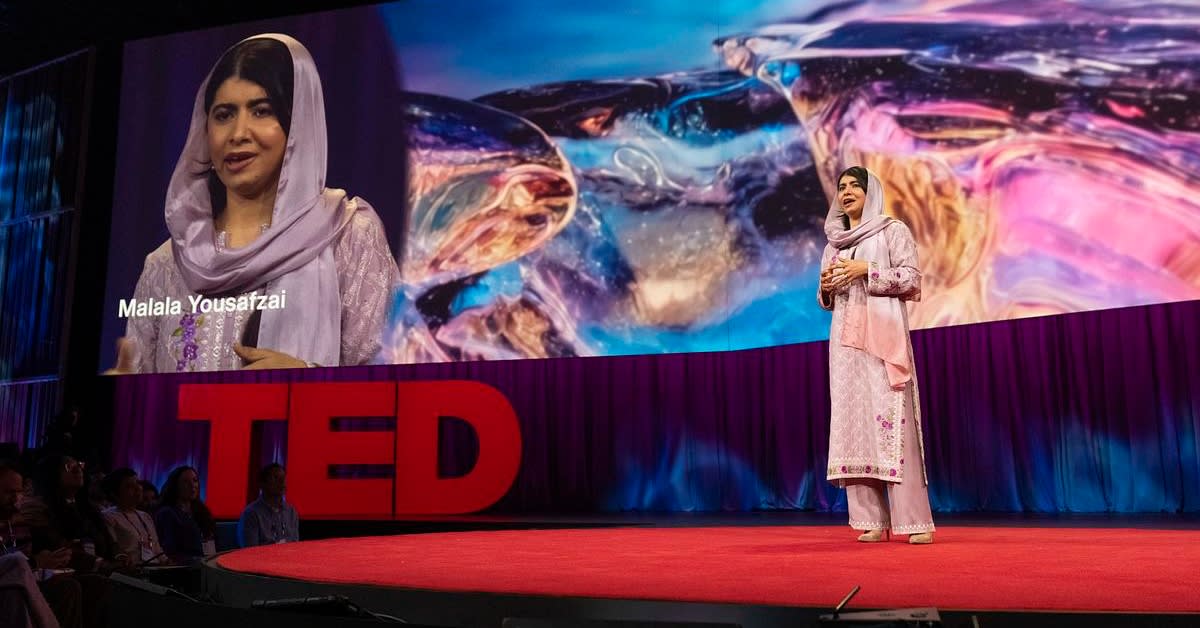
Malala Shares 3 Steps to Keep Fighting When Hope Fades
Nobel Prize winner Malala Yousafzai reveals how she overcame despair after the Taliban's return to power in Afghanistan. Her TED Talk offers a roadmap for anyone struggling to make change when problems feel overwhelming.
Even Nobel Peace Prize winners lose hope sometimes, and Malala Yousafzai wants you to know that's okay.
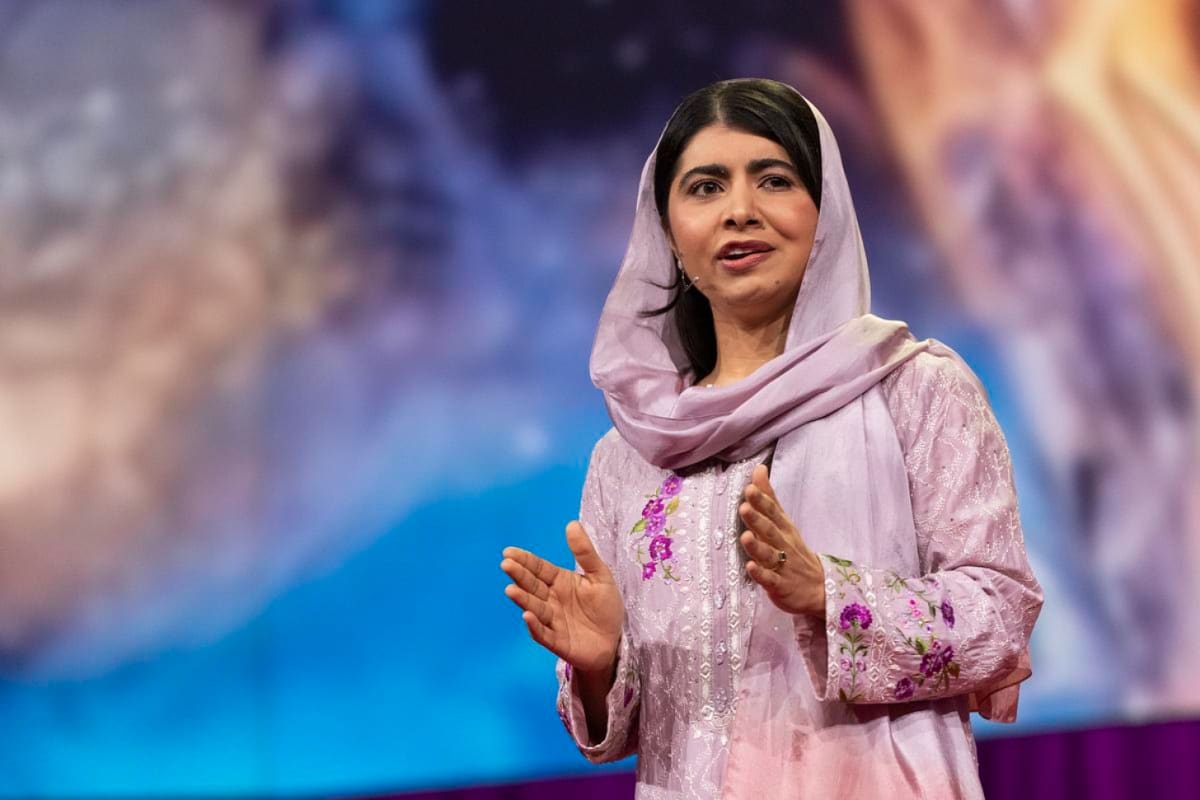
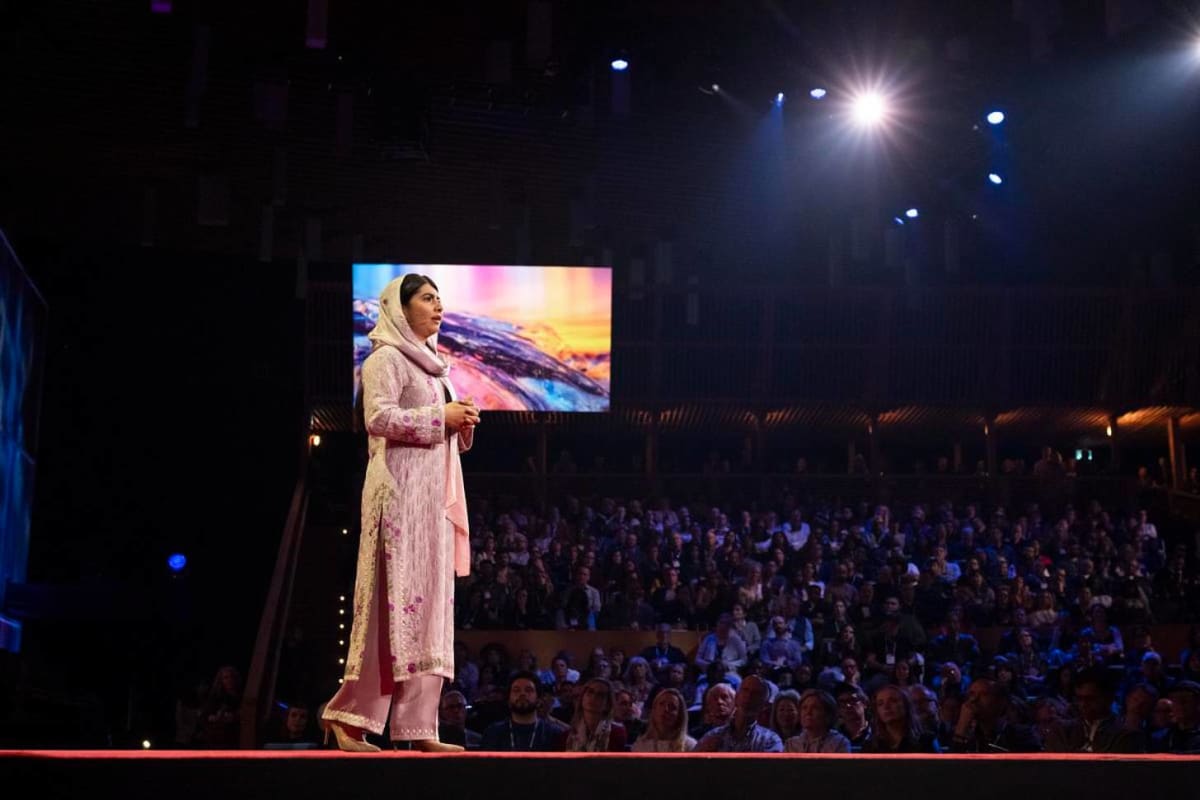
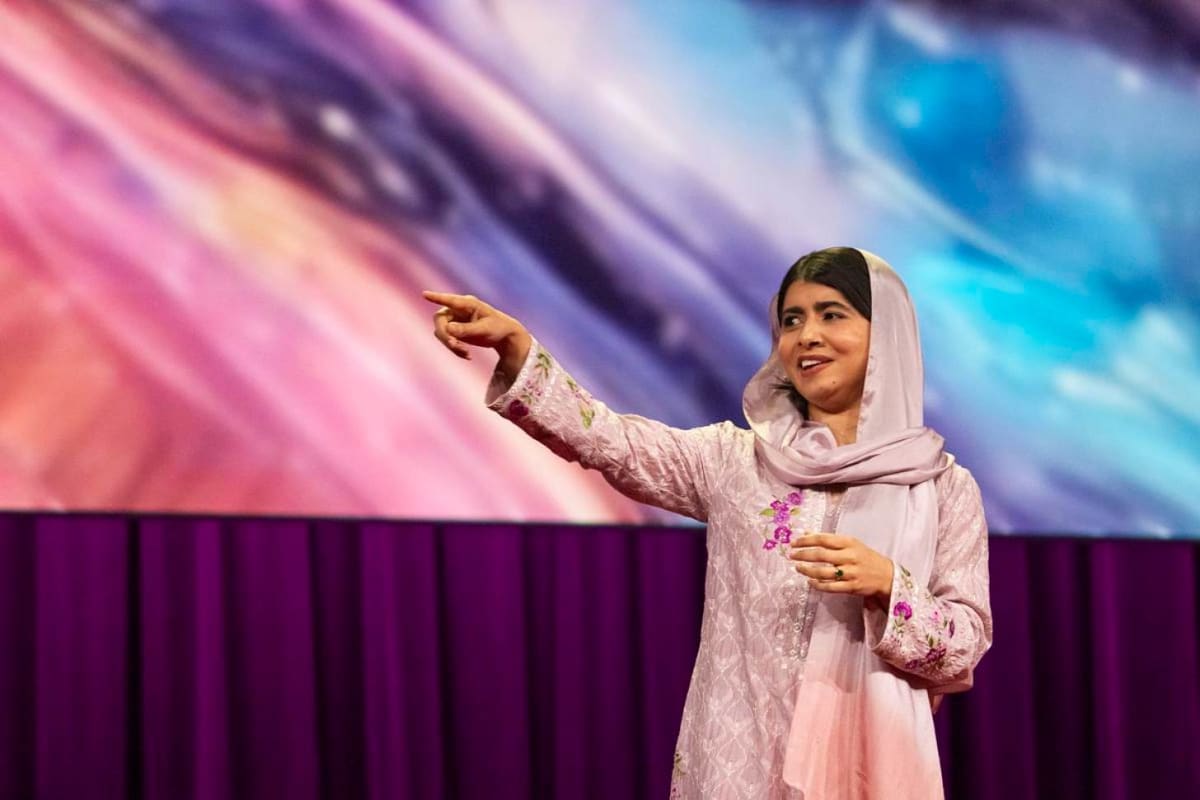
At her first TED Talk on April 13, the 28-year-old activist who survived being shot by the Taliban at age 15 shared something surprising. Despite founding a global education nonprofit, graduating from Oxford, and championing girls' rights worldwide, she has felt crushed by hopelessness.
The breaking point came in August 2021. While recovering from facial paralysis surgery, Yousafzai watched news footage of the Taliban reclaiming Afghanistan. "I was stunned, shattered, terrified, angry," she told the TED audience.
For years, she had believed progress was inevitable. Leaders who promised to protect girls' education would follow through, even if slowly. But watching the Taliban return to power in a single day destroyed that faith.
Today, Afghan girls cannot attend school past sixth grade. Women are banned from college and most jobs. Speaking in public is a crime for women, and new laws permit husbands to beat their wives without leaving visible injuries.
"The Taliban have imposed a system of segregation and domination, a gender apartheid on millions of women and girls," Yousafzai said. Her youthful optimism had dimmed, but she refused to quit.
Instead, she developed three strategies for fighting on when change feels impossible. First, start with something. The Malala Fund invested $3 million in underground education programs across Afghanistan, supporting secret radio lessons, hidden book exchanges, and online classrooms with pre-Taliban curriculum.
One student named Pashtana shared her experience with virtual learning. "When I see my classmates smiling, answering questions and dreaming aloud, I know that Afghanistan's future is still alive."
Second, work with others in unexpected places. Yousafzai co-produced films with Jennifer Lawrence highlighting Afghan women's resistance. She joined campaigns to let the Afghan Women's National Football Team compete internationally. She even co-founded Recess, an investment initiative promoting women's sports globally.
"The Taliban are erasing women from public life, but I am here to do the opposite," she explained. Every Afghan woman speaking, singing, or playing sports becomes an act of defiance.
The Ripple Effect
Yousafzai's approach shows how individual action creates waves of change beyond what we can see. Those underground schools aren't just teaching girls to read. They're proving that oppression cannot extinguish the human desire to learn and grow.
The online classrooms connect isolated students into communities of hope. The films reach millions who might never meet an Afghan woman but now understand their struggle. The sports initiatives give young girls worldwide tangible proof that their dreams matter.
Her third lesson was staying ambitious enough to match the scale of the problem. Small steps matter, but so does demanding systemic change and refusing to accept injustice as permanent.
Yousafzai's message is clear: losing hope doesn't mean you've failed, it means you're human, and you can still choose to act anyway.
More Images

Based on reporting by Good Good Good
This story was written by BrightWire based on verified news reports.
Spread the positivity!
Share this good news with someone who needs it

%2Ffile%2Fattachments%2Forphans%2F6I1A1413_975311.jpg)