Malaria Cases Drop 72% in Conflict-Torn South Sudan
A new study reveals how South Sudan delivered life-saving malaria prevention to children despite flooding and conflict, cutting cases by 72%. The research offers a blueprint for reaching vulnerable children in the world's toughest places.
Children in South Sudan are winning the fight against malaria, even as conflict and floods threaten their communities.
Since 2022, a seasonal malaria prevention program has reached hundreds of thousands of children in Northern Bahr el Ghazal state, where ongoing civil conflict and catastrophic flooding have damaged health facilities and displaced families. The program provides seasonal malaria chemoprevention (SMC), a series of medicines given to children aged 3 to 59 months during peak transmission seasons.
The results have been remarkable. Between 2022 and 2024, malaria cases dropped by 72.2 percent in the two counties studied, according to national data.
A new study published in Malaria Journal examined how health teams overcame seemingly impossible barriers to deliver this care. Researchers discovered that the secret wasn't fancy technology or massive budgets—it was trust.
Local health workers, called boma health workers, already knew their communities. They explained to families why the medicine mattered and how to give it correctly. Parents listened because they trusted their neighbors, and more children received protection as a result.
The program also worked because it didn't operate alone. Health workers combined SMC delivery with insecticide-treated mosquito nets and disease surveillance, creating multiple layers of protection for children.
The Ripple Effect
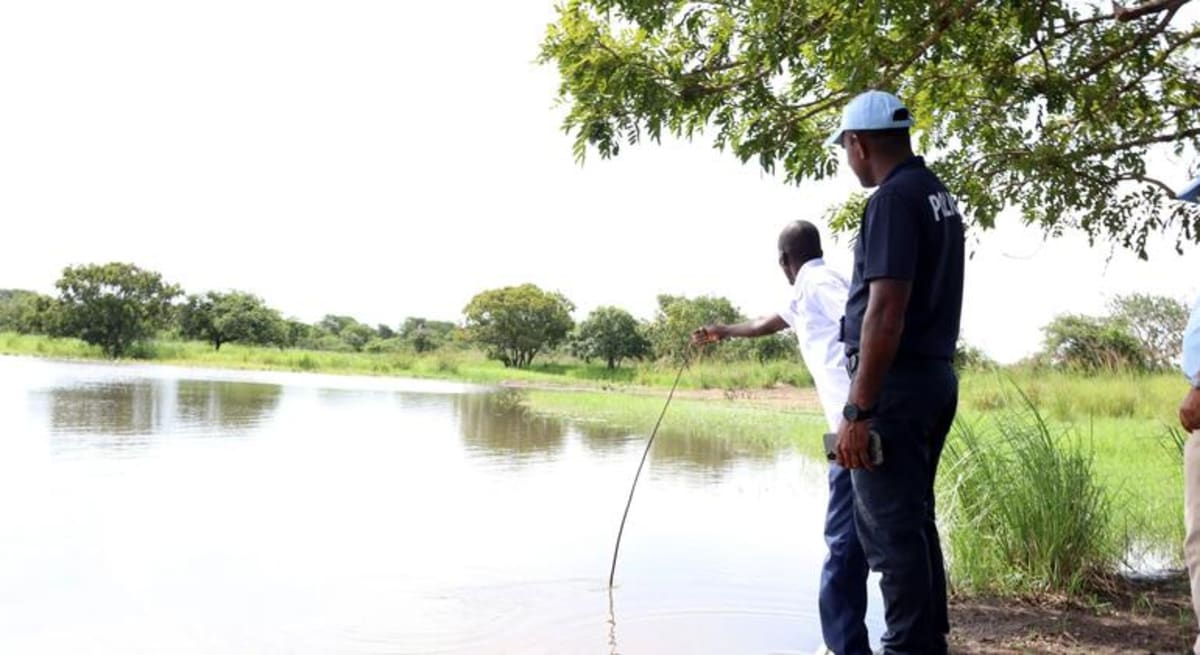
The challenges haven't disappeared. In 2024, conflict made it nearly impossible to count how many children needed medicine, forcing teams to guess at resource needs. Flooded roads cut off remote villages. Communication systems failed. Still, coverage reached 79 percent that year.
Then something shifted. The research team used their findings to adjust strategies in real time. They strengthened medicine supply chains, trained more health workers, and launched mobile clinics to reach displaced families.
By 2025, coverage exceeded 80 percent overall, with two cycles surpassing the 90 percent target. The improvement shows what happens when programs listen, learn, and adapt.
Dr. Jamshed Khan, who coordinates malaria work in South Sudan, calls the findings "actionable evidence" that's already making a difference. The lessons learned go far beyond one country's borders.
Other nations facing conflict, climate disasters, or weak health systems can now follow a proven playbook. Build on existing community networks. Strengthen supply chains. Train local workers. Use mobile teams to reach the hardest places. Most importantly, earn community trust.
The research demonstrates that even in the world's most complex humanitarian settings, children don't have to be left behind. With the right approach, life-saving care can reach them.
More Images

Based on reporting by AllAfrica - Health
This story was written by BrightWire based on verified news reports.
Spread the positivity!
Share this good news with someone who needs it