Malawi Stops Invasive Crayfish Smuggling at Border
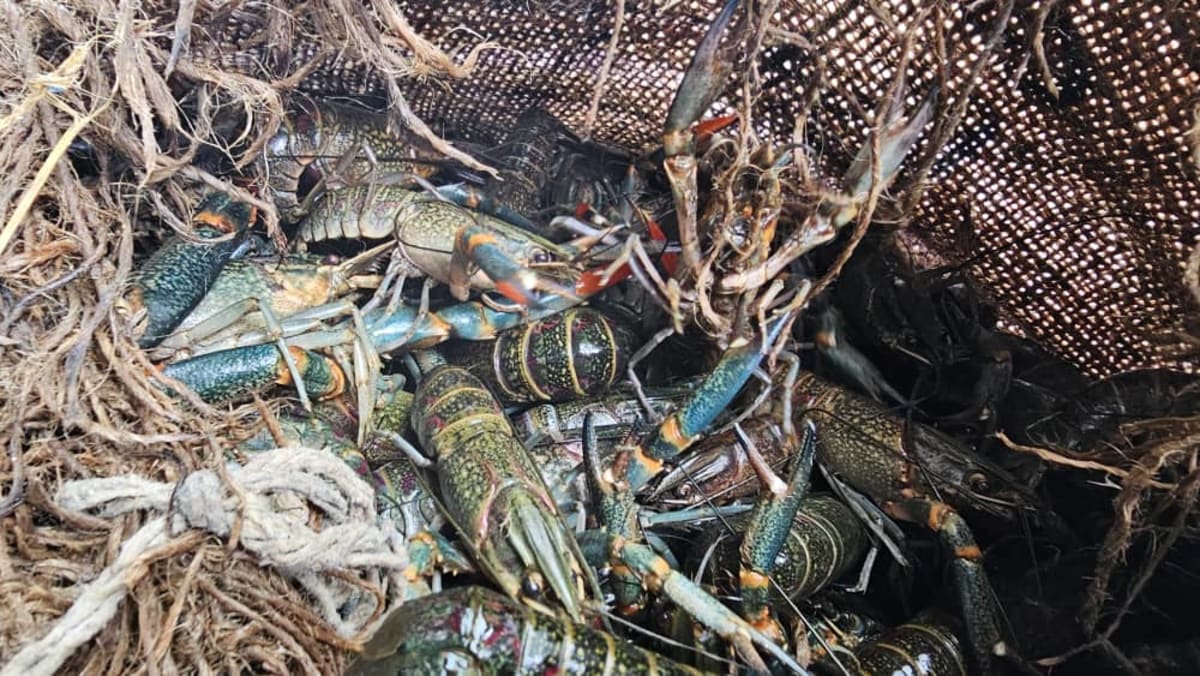
Malawi has successfully stopped smugglers from bringing destructive invasive crayfish into the country, protecting 82,000 fishers and their communities. Stronger border checks and regional teamwork turned the tide after a major bust nearly a year ago.
Malawi is winning the fight against invasive crayfish that threatened to destroy the livelihoods of 82,000 fishers and half a million people who depend on the country's fish industry.
Nearly a year after authorities seized a quarter-ton of live redclaw crayfish from Zambian smugglers, the country reports zero new smuggling incidents. The aggressive Australian species preys on native fish and their eggs, reproduces rapidly, and carries diseases that can devastate local ecosystems.
"Our monitoring now also includes fish farms along the borders, spot checks in markets and river systems," said Davie Khumbanyiwa, Malawi's fisheries monitoring officer. The department has ramped up inspections specifically targeting the invasive species.
In May 2025, four Zambians were arrested carrying 550 pounds of live crayfish destined for a Chinese restaurant. Authorities incinerated the contraband and fined the smugglers. One confessed it was his second trip, having already delivered 44 pounds to a Chinese buyer earlier that year.
The enhanced monitoring extends beyond just border crossings. Officials now conduct surprise inspections at fish farms near international boundaries and regularly check markets and river systems connected to Zambia.
Malawi is also working closely with neighboring countries. The fisheries department is collaborating with authorities in Zambia, Tanzania and Mozambique to prevent the species from crossing borders anywhere along the region.
Fisheries expert Jeremiah Kang'ombe from Lilongwe University emphasized the importance of this approach. "Our borders being porous, this is the first line of defense when it comes to smuggling of these alien species," he said.
The Ripple Effect
The successful crackdown protects more than just fish populations. A decline in native fish would directly threaten food security for communities across Malawi, where fishing supports over half a million livelihoods when you count everyone from fishers to processors to market vendors.
Research shows redclaw crayfish were introduced to Zambia from Australia in the early 2000s for farming. Since then, they've proven to be ecosystem destroyers, outcompeting native species for food and shelter while carrying pathogens that trigger disease outbreaks.
Malawi's fisheries department warned that if the crayfish established themselves in the country's rivers and wetlands, the damage would cascade through ecosystems, communities and the national economy. The prevention effort isn't just about wildlife; it's about protecting an entire way of life.
Malawi's vigilance is keeping their waters safe, one inspection at a time.
More Images



Based on reporting by Mongabay
This story was written by BrightWire based on verified news reports.
Spread the positivity!
Share this good news with someone who needs it

%2Fhttps%3A%2F%2Ftf-cmsv2-smithsonianmag-media.s3.amazonaws.com%2Ffiler_public%2F3f%2F8b%2F3f8ba94f-bec9-40c9-b0c7-1b63c5ebea39%2F1280px-ancient_and_modern_4000_years.jpg)