Malawi Village Gets Clean Water, Transforms 5,000 Lives
In Katore Village, Malawi, women once walked over a kilometer at 4 a.m. carrying heavy buckets just to reach clean water. A new approach to fighting poverty changed everything in two weeks.
Women in Katore Village used to start their days in darkness, hauling 20-litre water buckets over a kilometer before sunrise. Some families had no choice but to use Lake Malawi's contaminated water, risking exposure to parasitic disease.
That daily struggle ended when TKA, an organization founded by three friends from Israel and South Africa, arrived with a different vision for fighting poverty. Co-founders Daniel Rotstein, Elad Romano Barzilay, and Bailey Pickford didn't want to deliver temporary aid. They wanted to build something that would last.
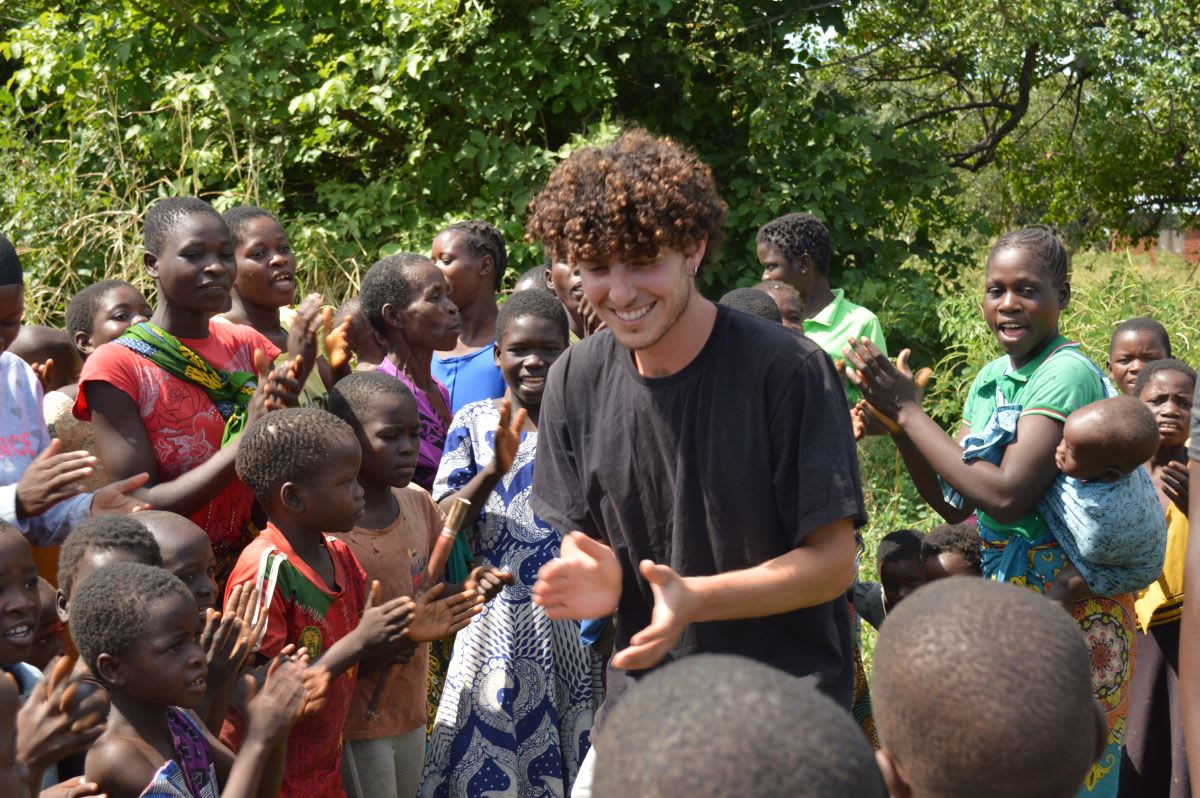
After talking with village leaders and residents, the team identified clean water as the most urgent need. Working with local engineers, they built a borehole in just two weeks. "The moment the water came out was one of the most heartwarming moments of my life," Rotstein recalls. "Seeing the children and women dancing and smiling was life-changing."
The new borehole now serves 5,000 residents every day. Wait times disappeared, hygiene improved, and families gained hours they once spent walking for water. Those hours now go toward work, school, and growing crops.
TKA discovered what they call a "graveyard" of failed projects when they first arrived. Previous organizations had built boreholes that broke down within a year because no one stayed to maintain them or train locals on repairs. TKA chose a different path.
Instead of spreading thin across multiple villages, they focus on developing one community thoroughly before moving to the next. Local engineers built the borehole and trained villagers to handle minor repairs and find replacement parts. TKA staff maintain daily contact with residents to monitor progress and learn what the community needs next.
One year later, the borehole still runs strong. A flourishing crop garden now surrounds it, turning access to water into economic opportunity.
The Ripple Effect
The success in Katore Village sparked a partnership with Reichman University in Israel. Students from different fields now work together to design and build sustainable infrastructure projects for Malawian communities. They gain hands-on experience with companies during their first semester, then collaborate to create projects tailored to real community needs.
By 2035, Africa's population could grow by 450 million people, creating one of the world's youngest and largest workforces. TKA's village-by-village approach addresses this challenge by building infrastructure that supports small businesses in farming, brick-making, and crop distribution.
The organization focuses on what Rotstein calls the foundation: clean water and reliable infrastructure. Without these basics, communities can't build anything else. With them, residents can create their own opportunities and take control of their future.
In Katore Village, the sound of children laughing around a working borehole proves that sustainable change is possible when organizations commit to staying, listening, and building alongside the people they serve.
Based on reporting by Google News - Poverty Reduction
This story was written by BrightWire based on verified news reports.
Spread the positivity!
Share this good news with someone who needs it