Malawi Women With Disabilities Push for Climate Health Care
Women with disabilities in Malawi are advocating for better access to reproductive healthcare during climate disasters after tragic losses exposed deadly gaps. Their grassroots push is bringing together government leaders and healthcare providers to build inclusive emergency services.
Women with disabilities in Malawi are breaking their silence about a crisis most people never see: when floods come, they're often the last to reach safety and the first to lose access to critical healthcare.
The organization Women and Girls Disability Rights (WAG) hosted a powerful mentorship workshop in Lilongwe where women shared stories that demand action. Executive Director Stella Nkhonya described a heartbreaking case: a pregnant woman with a disability who was swept away trying to cross a flooded river to reach healthcare services. She had no support system in place.
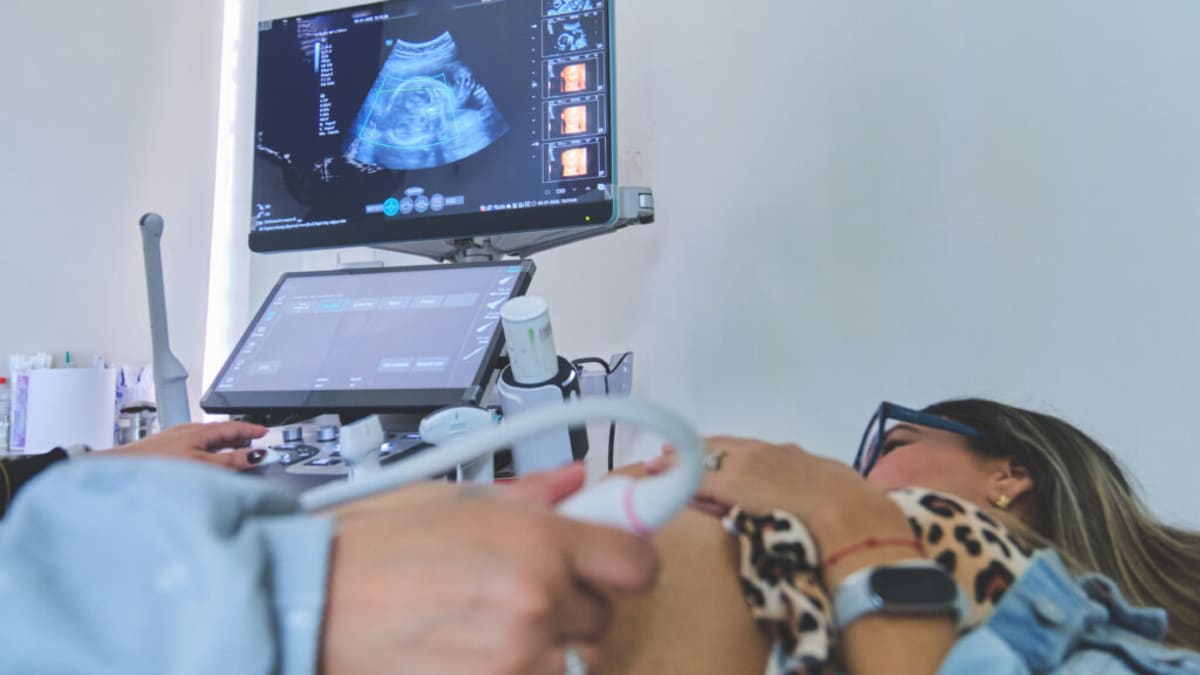
Climate disasters have made an already difficult situation worse. When floods strike, family planning services become nearly impossible to access for women with disabilities. Healthcare facilities are often unreachable, and accessible information about reproductive health disappears just when it's needed most.
The workshop brought together women and girls with disabilities to share their experiences and map out solutions. With financial support from HIVOS, they're building advocacy skills and opening conversations with the people who can make change happen.
Their demands are clear and practical. WAG wants mobile clinics in flood prone areas so healthcare comes to people when roads become rivers. They're calling for accessible information about both climate preparedness and reproductive health services. They want partnerships with local leaders, the Minister of Health, and healthcare providers to ensure no one gets left behind when disaster strikes.
Mayamiko Kayamba, a young woman with albinism, connected the dots between environmental crisis and human rights. She explained that women and girls with disabilities already face barriers like inaccessible facilities, lack of information, stigma, and increased risk of gender based violence. Climate change multiplies every single one of these challenges.
The Ripple Effect
This advocacy work is creating change that extends far beyond Malawi's borders. By highlighting the intersection of disability, gender, and climate justice, these women are forcing a global conversation about who gets forgotten in disaster planning. Their push for inclusive services during emergencies sets a template other countries can follow.
The workshop participants are building more than just better emergency response systems. They're creating a network of empowered advocates who can speak up for their rights in every context. When women with disabilities gain tools to advocate for themselves, entire communities become stronger and more resilient.
Nkhonya's vision captures what's possible: "We want an inclusive society where women and girls with disabilities can access reproductive health services without barriers, even in times of crisis." That future is taking shape one conversation, one partnership, and one mobile clinic at a time.
More Images



Based on reporting by AllAfrica - Environment
This story was written by BrightWire based on verified news reports.
Spread the positivity!
Share this good news with someone who needs it