Malaysia and Singapore Team Up to Boost Regional Health
Two Southeast Asian neighbors are making healthcare better for millions by aligning food labels, speeding up access to new medical devices, and opening doors for cross-border treatment. The partnership promises healthier communities and stronger economic ties across the region.
Malaysia and Singapore just signed a deal that could transform how millions of people access healthcare in Southeast Asia.
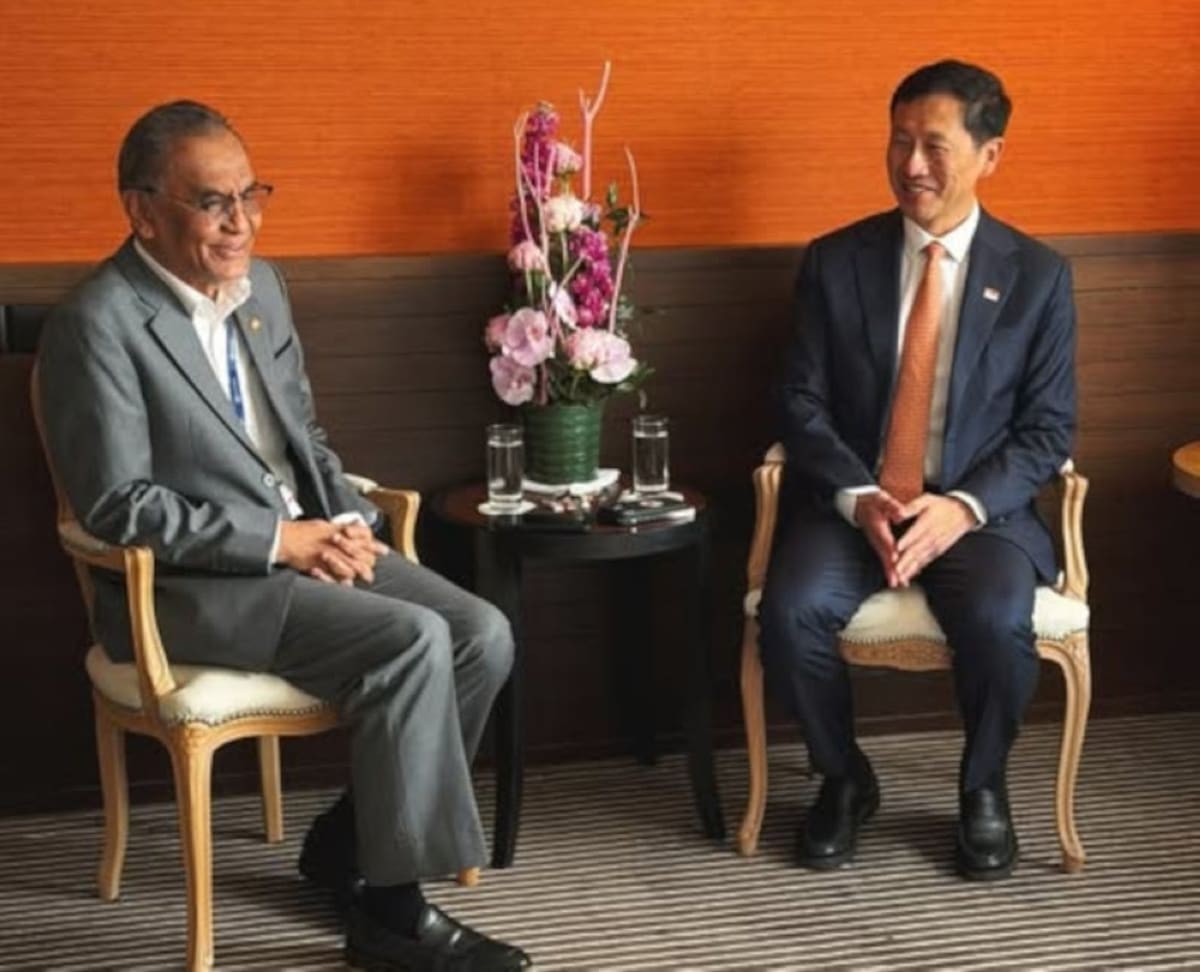
Health ministers from both countries met in Geneva last week to expand their medical cooperation in three major areas. The partnership focuses on standardizing nutrition labels, fast-tracking approval for innovative medical devices, and making it easier for patients to get treatment across the border.
The Nutri-Grade food labeling system will now be aligned between both nations, giving shoppers clearer information about sugar and fat content in drinks and packaged foods. This unified approach helps families make healthier choices and tackles rising rates of diabetes, heart disease, and other lifestyle-related illnesses that affect the region.
Malaysia welcomed Singapore's Medical Device Regulatory Reliance Programme, which speeds up how quickly new medical technology reaches hospitals and clinics. Instead of each country conducting separate lengthy reviews, they'll recognize each other's safety approvals. That means patients get access to cutting-edge treatments faster.
The agreement also expands cross-border health tourism between Singapore and Malaysia's southern state of Johor. Singaporeans will find it easier to book appointments at private Malaysian hospitals, and they'll be able to use their Medisave insurance accounts to pay for care. For Malaysian facilities, this brings new patients and investment.
The Ripple Effect
This partnership shows how cooperation beats going it alone. When neighboring countries share resources and standards, everyone benefits from better care at lower costs.
The economic impact extends beyond hospital walls. Health tourism creates jobs for medical staff, hospitality workers, and transportation providers in Johor. Families save money by accessing quality care closer to home instead of traveling to distant medical hubs.
The aligned food labeling system sets a template for other Southeast Asian nations to follow. When countries use the same health standards, food companies find it easier to do business across borders while consumers gain consistent protection no matter where they shop.
Malaysian Health Minister Dzulkefly Ahmad emphasized that facing complex health challenges requires this kind of regional teamwork. Building sustainable healthcare systems that serve people rather than bureaucracies takes mutual trust and commitment.
Both nations are betting that healthier populations and connected medical systems will strengthen their economies and improve quality of life for generations to come.
More Images

Based on reporting by Google News - Singapore Technology
This story was written by BrightWire based on verified news reports.
Spread the positivity!
Share this good news with someone who needs it