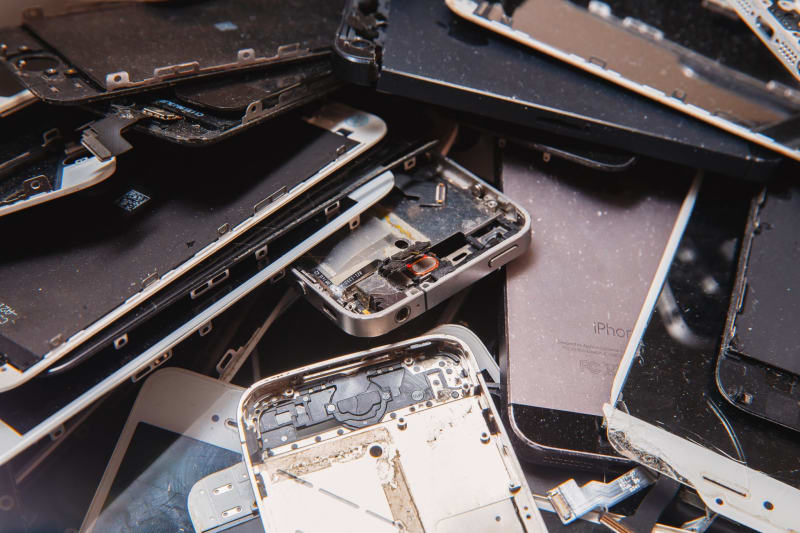
Malaysia Bans All E-Waste Imports to Stop Illegal Dumping
Malaysia just shut the door on electronic waste imports completely, closing loopholes that let wealthy nations dump toxic trash on its shores. The country is sending a powerful message: Southeast Asia won't be the world's junkyard anymore.
Malaysia is done being a dumping ground for the world's old phones, laptops, and appliances.
The Malaysian government announced an immediate total ban on electronic waste imports last week, eliminating all exceptions that previously allowed certain e-waste shipments into the country. The Department of Environment, which used to grant exemptions for specific waste categories, no longer has that authority.
"E-waste is no longer permitted," declared Azam Baki, chief of the Malaysian Anti-Corruption Commission. The agency promises firm enforcement to stop illegal imports at the border.
The timing isn't coincidental. Authorities just detained the director-general of the Department of Environment and their deputy on corruption charges related to e-waste handling. Several bank accounts have been frozen as the investigation continues.
Electronic waste contains dangerous heavy metals like mercury, lead, and cadmium. When improperly processed, these toxins seep into groundwater, contaminate soil, and pollute the air that communities breathe.
For years, Malaysia became an unwitting destination for electronic trash from wealthier nations. Authorities have intercepted hundreds of containers filled with suspected e-waste at ports nationwide, many traced back to high-income countries looking for cheap disposal options.
The Ripple Effect
Malaysia's bold move reflects a broader shift across Southeast Asia. Indonesia recently seized over 70 containers of hazardous e-waste at Batam Island, most from the United States, and shipped four containers back last month.
This regional awakening started after China banned foreign waste imports in 2018. Exporters simply redirected their trash to countries with weaker regulations and lower recycling costs, but those nations are now fighting back.
Malaysia's ban does more than protect its own environment. It forces wealthy nations to confront their own waste problems instead of shipping them overseas. When countries refuse to accept electronic trash, it creates pressure for better recycling systems and more responsible manufacturing in the places where these products originate.
The message from Southeast Asia is clear and unified: the era of treating developing nations as convenient dumping grounds is ending. Malaysia is proving that protecting public health and the environment isn't negotiable, even when facing pressure from powerful international interests.
Based on reporting by Optimist Daily
This story was written by BrightWire based on verified news reports.
Spread the positivity!
Share this good news with someone who needs it