Malaysia Collects 15,000 Tons Through New Recycling Program
Nestlé Malaysia just achieved plastic neutrality by collecting over 15,000 metric tons of waste while expanding door-to-door recycling to 30,000 households. The company's efforts show how businesses can tackle climate goals while building real solutions communities can use.
A major food company in Malaysia just proved that ambitious climate action can happen right at your doorstep.
Nestlé Malaysia achieved plastic neutrality in 2025 by collecting over 15,000 metric tons of materials, including more than 11,000 metric tons of plastic. The milestone came through years of collaboration across the company's supply chain and community partnerships.
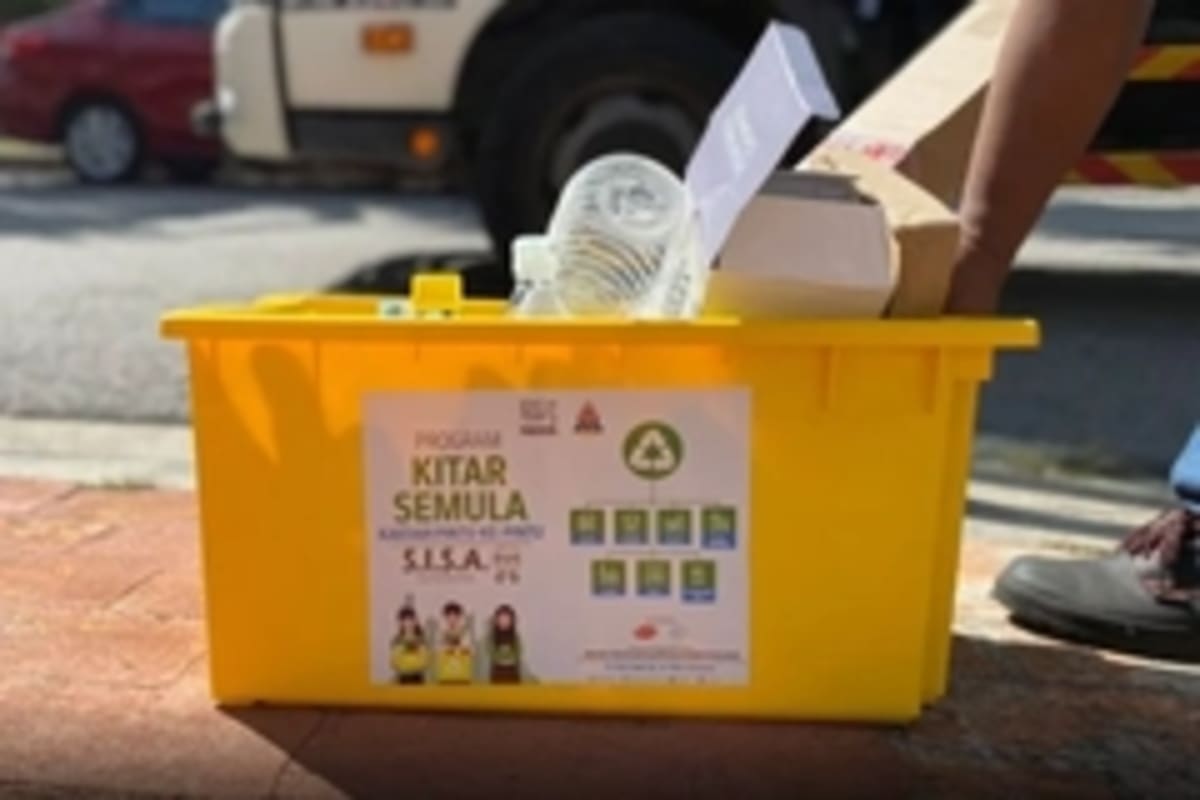
The company's Project SAVE program (Segregate, Avoid, Value, Educate) brought recycling services directly to Malaysian homes. In Subang Jaya and Sepang, Nestlé partnered with the Selangor State Government to launch door-to-door recycling for more than 14,000 households.
A similar pilot program in Kulim, Kedah now serves over 16,000 households with weekly collections. The program includes community education to help families understand which materials can be recycled and why it matters.
Nearly 96% of Nestlé Malaysia's packaging was designed for recycling in 2025. The company is reducing virgin plastic use and increasing recycled content in bottles and containers as part of its goal to cut emissions in half by 2030.
The Ripple Effect
Malaysia's government sees private sector action as essential to meeting national climate commitments. Deputy Minister Syed Ibrahim Syed Noh noted that business initiatives like these demonstrate emissions reductions can work alongside economic growth.
The program strengthened Malaysia's recycling infrastructure in areas that previously lacked regular collection services. Families now have practical ways to participate in waste reduction without special trips to recycling centers.
Other Southeast Asian countries are taking notice. Nestlé helped establish a nonprofit recycling organization in Vietnam and introduced reverse vending machines for plastic sachets in Philippine supermarkets.
These household-level changes add up to systemic impact: thousands of tons of plastic diverted from landfills, cleaner neighborhoods, and real progress toward climate targets that once seemed impossibly distant.
More Images


Based on reporting by Google News - Emissions Reduction
This story was written by BrightWire based on verified news reports.
Spread the positivity!
Share this good news with someone who needs it