Malaysia Invests $11M to Train Students in AI and Crypto
Malaysia is unlocking $11 million to prepare its workforce for the future, with students getting specialized training in AI, cryptocurrency, and green energy starting next month. The government believes these tech-skilled graduates could soon earn more than traditional university degree holders.
Malaysia just made a major bet on its young people, committing $11 million to train students in the skills that will power tomorrow's economy.
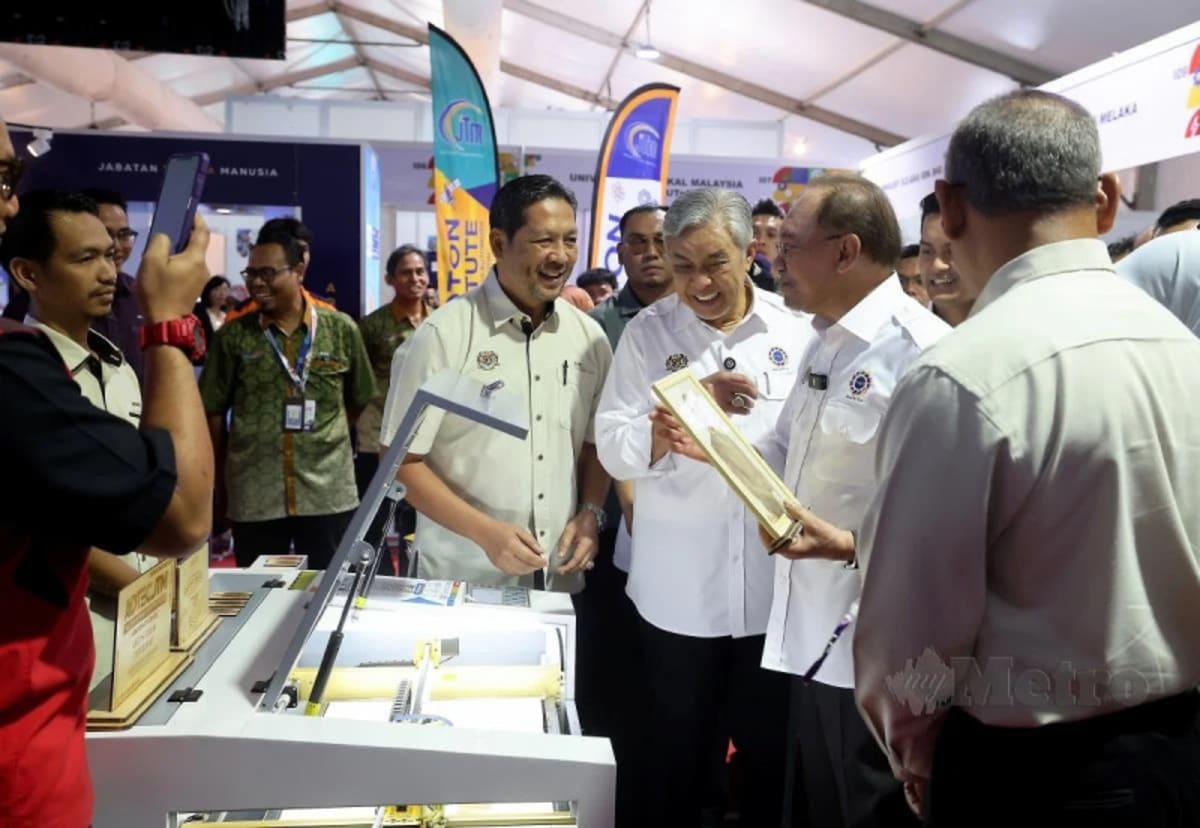
Prime Minister Anwar Ibrahim announced the funding boost for the country's revamped Technical and Vocational Education and Training program, known as TVET 2.0. The goal is simple: give students the tools they need to thrive in fields like artificial intelligence, cryptocurrency technology, and renewable energy.
Starting next month, between 50 and 100 students from participating schools will begin specialized training in these cutting-edge areas. They'll work alongside research organizations and educational institutions to gain hands-on experience in technologies that barely existed a generation ago.
"If we remain confined within the cocoon of outdated thinking, we will not be able to drive the country's economic growth," Anwar said during the National TVET Day celebration. He pointed out that AI, crypto, and energy transition represent entirely new skill sets that demand fresh approaches to education.
The program represents a fundamental shift in how Malaysia views vocational training. Rather than treating it as a backup option for students, the government is positioning technical education as a direct path to high-paying careers in growth industries.
Anwar went further, suggesting that graduates from this upgraded program could actually outperform traditional degree holders in specialized technical fields. The government expects their wages to reflect that expertise, potentially earning more than bachelor's degree graduates.
The Ripple Effect
This investment signals a broader transformation happening across Southeast Asia as countries race to prepare their workforces for rapid technological change. Malaysia's approach tackles a challenge facing nations worldwide: how to train people for jobs that didn't exist when current education systems were designed.
The funding comes with one important catch. Employers and industry partners must actively participate in shaping training programs to ensure graduates learn skills that companies actually need. This partnership model aims to close the gap between classroom learning and workplace reality.
The $11 million represents just part of Malaysia's larger commitment to skills development, with $145 million total allocated in the 2026 budget. Deputy Prime Minister Ahmad Zahid Hamidi called TVET 2.0 a "comprehensive restructuring" focused on future-facing industries.
By connecting students directly with research institutes and requiring industry cooperation, Malaysia is building bridges between education and employment that could serve as a model for workforce development in an age of rapid technological disruption.
Based on reporting by Regional: malaysia technology (MY)
This story was written by BrightWire based on verified news reports.
Spread the positivity!
Share this good news with someone who needs it