Malaysia Invests $41M in Chip Tech to Capture Global Market
Malaysia just launched a $41 million research program to become a major player in advanced semiconductor packaging, targeting 7% of the global market. Five local tech companies are teaming up with universities to develop cutting-edge chip technology that powers everything from smartphones to AI.
Malaysia is making a bold bet on the future of technology with a massive $41 million investment in advanced semiconductor research.
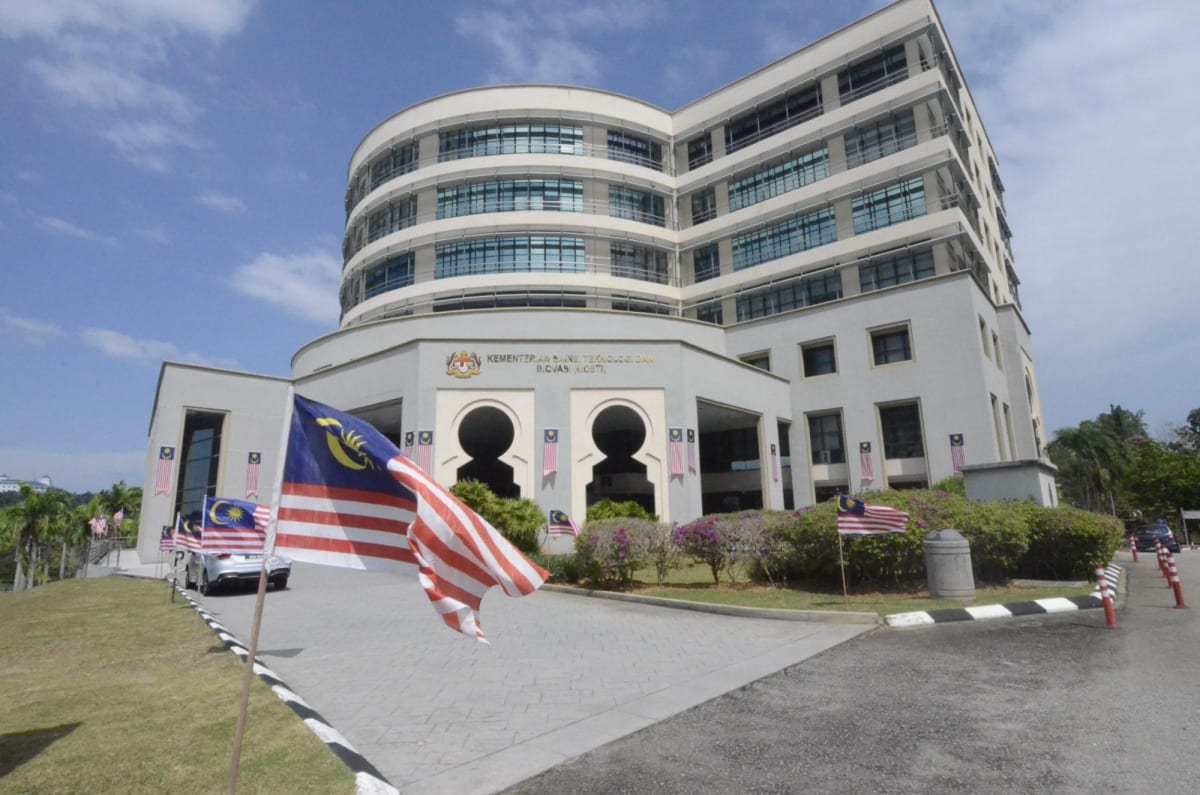
The Ministry of Science, Technology and Innovation announced the new program in June 2026, bringing together five Malaysian tech companies with local universities to develop next-generation chip packaging technology. This isn't just about catching up with global competitors. Malaysia is aiming to capture 7% of the worldwide advanced packaging market.
The funding split tells an encouraging story about partnership. The government is contributing $20.4 million through the Malaysia Science Endowment, while industry partners are matching that with $20.6 million of their own money. When companies put their own cash on the line alongside public funding, it signals real confidence in the mission.
Five Malaysian semiconductor firms are leading the charge: SkyeChip, Inari Technology, FusionAP, Pentamaster Instrumentation, and NSW Automation. These companies will work side by side with researchers to tackle one of the industry's biggest challenges: advanced chip packaging.
Think of chip packaging as the critical bridge between the tiny silicon brains inside your devices and the outside world. As chips get more powerful and compact, packaging becomes incredibly complex. Malaysia's program will focus on building capabilities in this high-value area.
The crown jewel of the initiative? Developing Malaysia's first proof-of-concept High Bandwidth Memory 4 test chip. HBM4 represents the bleeding edge of memory technology, essential for powering artificial intelligence systems and high-performance computing.
The National Science Council approved the program in May 2026 as a national priority mission. That designation matters because it ensures continued support and resources as the research progresses over the coming years.
The Ripple Effect
Malaysia's semiconductor industry already employs thousands of workers and contributes billions to the national economy. This investment could multiply those benefits by moving the country up the value chain from assembly work to advanced research and design.
When countries invest in homegrown tech capabilities, they create high-paying jobs that didn't exist before. Engineers, researchers, and technicians will gain experience in cutting-edge technology that keeps them competitive globally.
The collaboration model also strengthens Malaysia's innovation ecosystem. Universities gain real-world problems to solve, students get exposure to industry challenges, and companies access academic expertise they might not have in-house.
For the global tech industry, Malaysia's push into advanced packaging could help diversify the supply chain. Right now, a handful of countries dominate semiconductor production, creating vulnerability when disruptions happen.
Malaysia is building the foundation for a high-tech future, one chip at a time.
More Images



Based on reporting by Regional: malaysia technology (MY)
This story was written by BrightWire based on verified news reports.
Spread the positivity!
Share this good news with someone who needs it