Malaysia Launches Asia's First Methane-to-Graphene System
Malaysia just became the first country in Asia Pacific to convert methane gas into graphene, a revolutionary material that could transform everything from construction to clean energy. The breakthrough technology turns existing gas into valuable materials while cutting emissions.
A Malaysian energy company just flipped the script on natural gas, launching the first system in Asia Pacific that transforms methane into graphene and clean hydrogen.
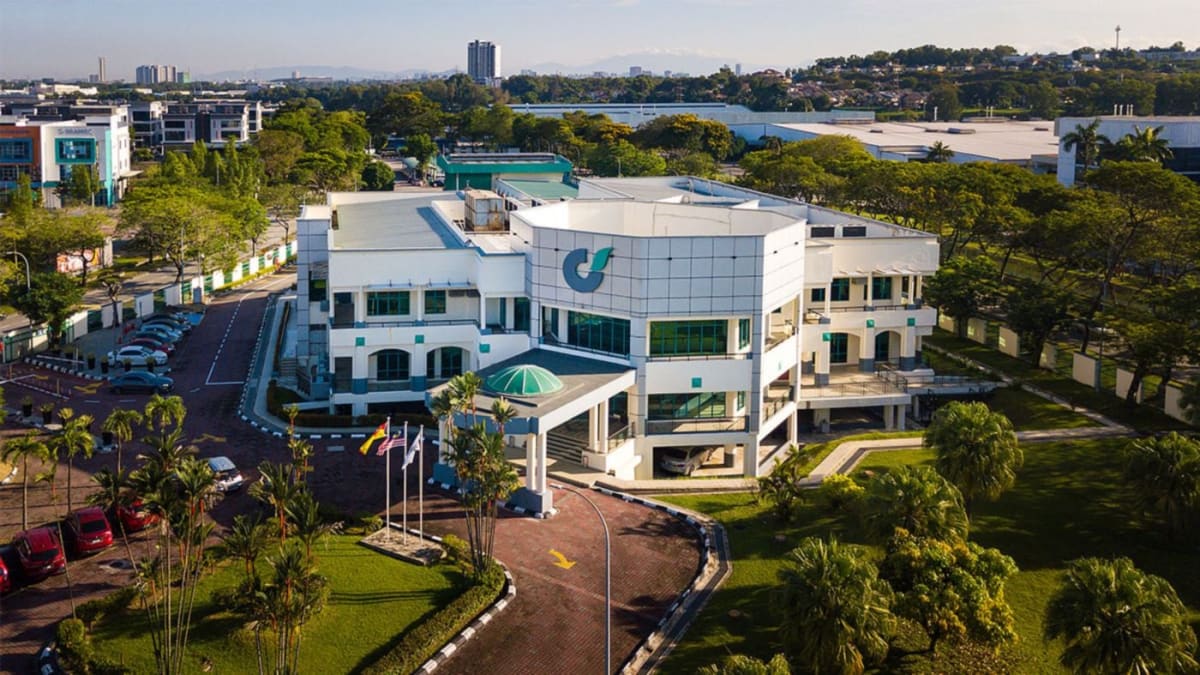
Gas Malaysia unveiled the groundbreaking technology in Kuala Lumpur this week, partnering with UK firm Levidian to bring their LOOP system to the region. The process extracts extra value from existing gas infrastructure while supporting lower-emission industrial applications.
Graphene might sound like science fiction, but it's very real. The material is stronger than steel, lighter than paper, and conducts electricity better than copper. Scientists have called it a wonder material for years, but making it affordably has been the challenge.
That's what makes this methane conversion technology so exciting. Instead of just burning natural gas for energy, Malaysia can now transform it into a high-value material with applications across multiple industries.
Gas Malaysia President Azli Mohamed emphasized the company isn't just deploying technology for show. They're building a platform called "Revolutionising Industries with Graphene" that lets manufacturers, infrastructure companies, and energy firms test real-world applications.
The timing aligns perfectly with Malaysia's push toward higher-value, lower-carbon economic activity. Science, Technology and Innovation Minister Chang Lih Kang noted that graphene development has been underway in Malaysia for over a decade, gradually moving from laboratories into commercial use.
Chang highlighted that researchers are already exploring graphene applications in energy storage, construction materials, agriculture, and environmental technologies. The country is even working on converting biomass-based methane into hydrogen and graphene, creating a circular economy approach.
The Ripple Effect
Malaysia's graphene program has already generated 92 intellectual property filings and 16 granted patents. That research foundation means the country isn't starting from scratch with this new technology.
The initiative positions Malaysia as a regional hub for graphene development across Southeast Asia. Other countries in the region could adopt similar systems, multiplying the environmental and economic benefits.
The National Graphene Action Plan 2020 brings together universities, startups, and industry players to develop practical applications. This collaborative approach means innovations won't stay locked in research labs but will reach real industries solving real problems.
For companies across manufacturing, infrastructure, and energy sectors, this opens doors to test cutting-edge materials without massive upfront investment. Gas Malaysia's platform approach means smaller players can experiment with graphene applications that might have been out of reach before.
The system represents a practical path forward for countries looking to reduce emissions while growing their economies, proving that environmental progress and industrial development can work hand in hand.
Based on reporting by Regional: malaysia technology (MY)
This story was written by BrightWire based on verified news reports.
Spread the positivity!
Share this good news with someone who needs it