Malaysia Launches First System That Turns Gas Into Graphene
Gas Malaysia just activated Asia Pacific's first technology that transforms natural gas into valuable graphene while capturing carbon. The breakthrough turns a utility company into an advanced materials producer.
A Malaysian gas company just became the first in Asia Pacific to turn methane into one of the world's most valuable materials.
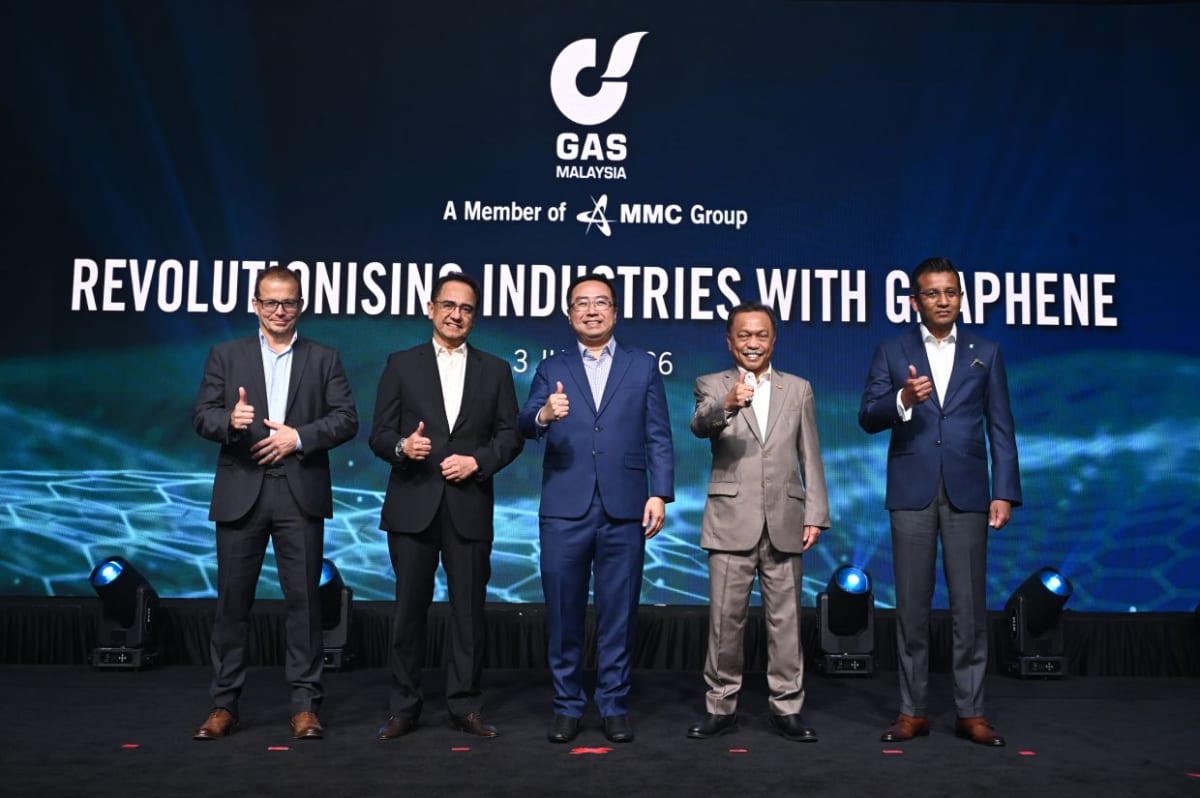
Gas Malaysia launched the LOOP system this week, a groundbreaking technology that splits natural gas molecules into graphene and hydrogen. Developed by UK-based Levidian Nanosystems, the system doesn't just reduce emissions—it creates high-value products from the same gas infrastructure already in place.
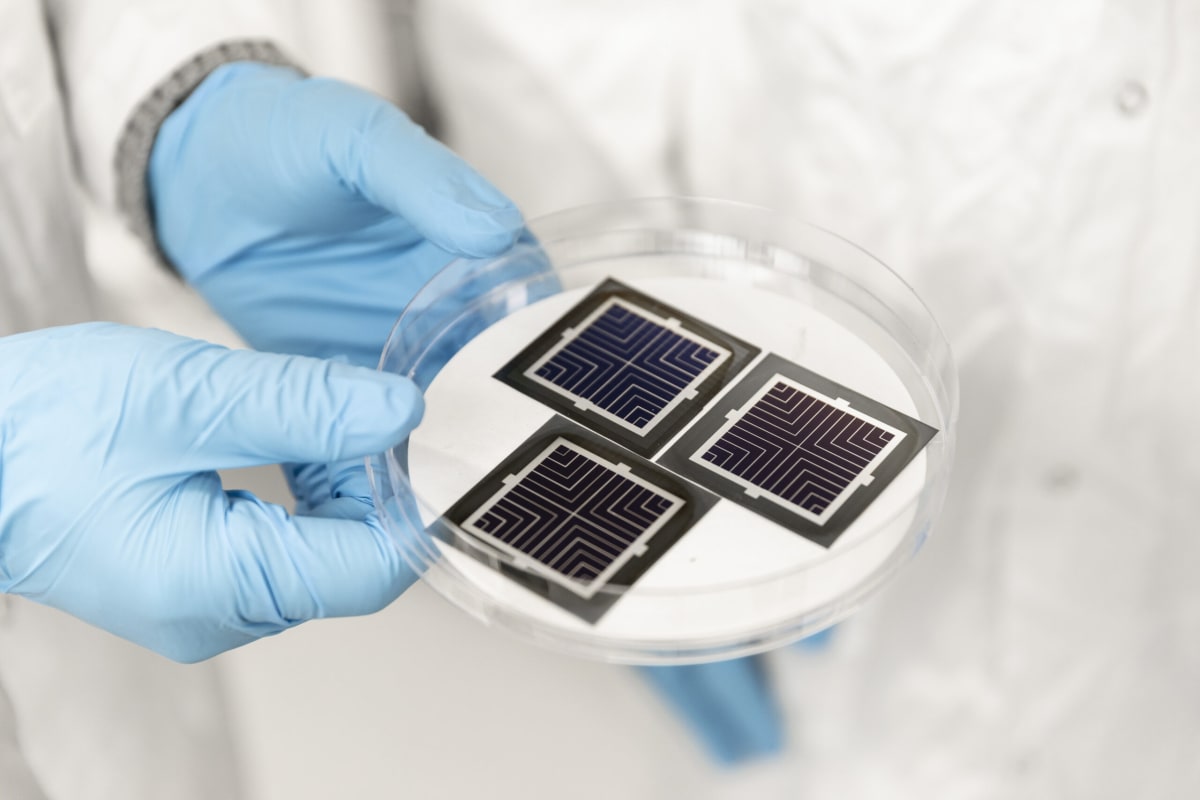
Graphene is a super-strong, ultra-thin material that's revolutionizing everything from electronics to medical devices. Until now, producing it at scale has been expensive and energy-intensive. This new approach flips the script entirely.
The system works by processing methane through a specialized reactor that separates carbon atoms into sheets of graphene while producing hydrogen-rich gas. Both outputs have commercial value, turning what would be greenhouse gas emissions into profitable, useful materials.
For Gas Malaysia, this marks a dramatic shift from traditional utility to innovation leader. The company is implementing its GM32 growth strategy, moving beyond simply delivering gas to creating an ecosystem around advanced materials and cleaner industrial solutions.
Malaysia's Science, Technology and Innovation Minister Datuk Chang Lih Kang attended the launch, emphasizing how the UK-Malaysia partnership strengthens the nation's advanced materials sector. The collaboration builds on work already underway through NanoMalaysia, the government agency developing nanotechnology applications.
The Ripple Effect
This technology could reshape how industrial nations think about natural gas infrastructure. Instead of viewing gas networks as assets that need replacing, countries can transform them into production facilities for next-generation materials.
The timing matters too. As nations race to decarbonize while meeting growing energy demands, technologies that do both simultaneously offer a practical path forward. Malaysia's early adoption positions the country as a regional hub for advanced materials production.
Other industries are watching closely. Graphene's applications span batteries, water filtration, construction materials, and electronics. A reliable, scalable production method could accelerate innovation across multiple sectors while reducing carbon emissions.
The LOOP system also produces hydrogen, which burns clean and can power vehicles, heat buildings, or serve as industrial feedstock. Having both outputs from a single process maximizes the value extracted from every molecule of methane.
Gas Malaysia's transformation shows how traditional energy companies can evolve rather than become obsolete. By adopting cutting-edge technology, they're building the infrastructure for tomorrow's clean economy while leveraging today's assets.
This first installation in Asia Pacific opens the door for regional expansion, potentially transforming gas distribution networks across Southeast Asia into advanced materials production hubs.
Based on reporting by Regional: malaysia technology (MY)
This story was written by BrightWire based on verified news reports.
Spread the positivity!
Share this good news with someone who needs it