Malaysia Partners with Russian University on Biotech, AI
Malaysia and Russia are teaming up to advance biotechnology, genomics, and AI research through a new partnership. The collaboration signals growing scientific cooperation between nations focused on solving real-world challenges.
Malaysia just committed to a major scientific partnership that could accelerate breakthroughs in biotechnology, artificial intelligence, and microelectronics. During the third meeting of the Russian-Malaysian Working Group on Education, Science and Technology, delegates from Malaysia's Ministry of Higher Education visited Tomsk State University in Russia to formalize research collaborations.
The partnership focuses on cutting-edge fields where both nations excel. Malaysian officials specifically highlighted their interest in genomic sequencing, AI applications, chemistry research, and semiconductor development.
"We are pleased to announce that we would like to cooperate with Tomsk State University in such areas of biotechnology as genomic research and sequencing, as well as in the areas of AI and chemistry," said Balamurugan Nallamuthu, Senior Principal Assistant Secretary of Malaysia's Ministry of Higher Education. The University of Putra Malaysia and TSU signed a formal cooperation agreement on education and research during the visit.
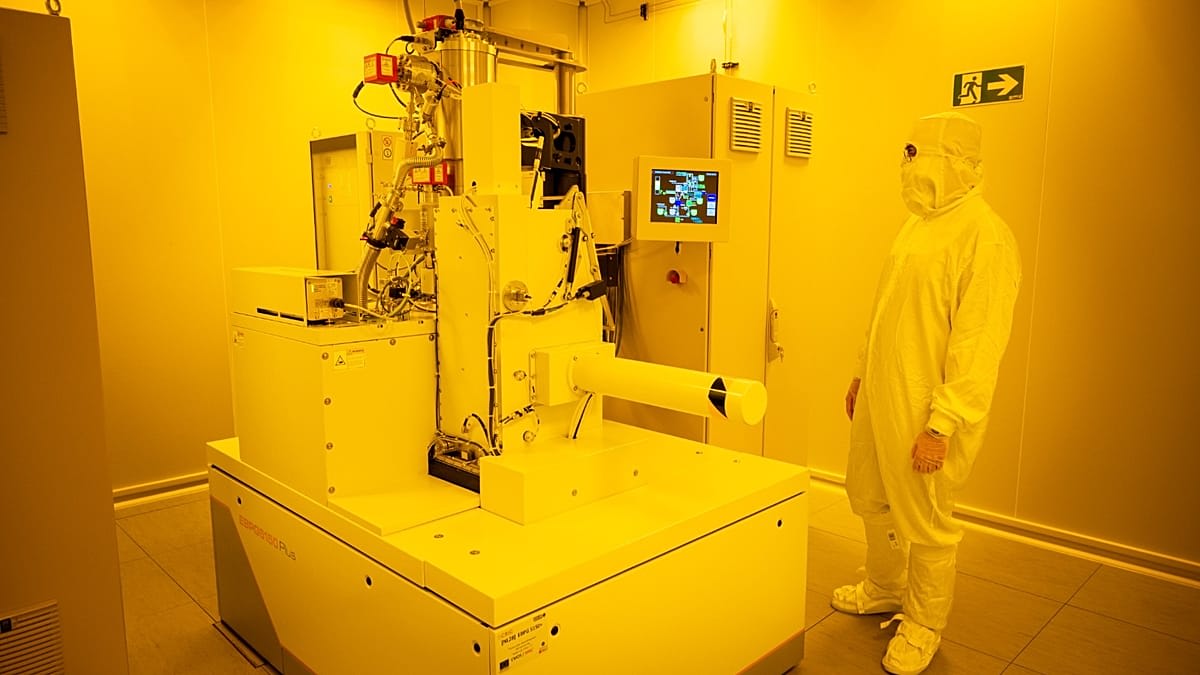
TSU brings impressive credentials to the table. Its Agrobiotech engineering school has led federal innovation projects for three years, consistently winning awards for groundbreaking developments. The university's Engineering Chemical Technology Center helps shape Russia's chemical industry strategy through 2042 and produces specialized materials like hydrogen bromide for microelectronics.
For Malaysia, the partnership taps into a research powerhouse. For Russia, it means expanded presence in Southeast Asia's dynamic scientific community.
The Ripple Effect
This collaboration represents more than just two institutions sharing resources. It shows how countries are increasingly choosing scientific cooperation over isolation, creating networks that can tackle global challenges faster than any single nation could alone.
Malaysia's position as an economic and technological leader in Southeast Asia gives it unique insights into regional needs, particularly in agricultural biotechnology. Paired with TSU's engineering expertise and chemical innovation, the partnership could yield solutions applicable across industries and continents.
The timing matters too. As the world faces complex challenges in food security, healthcare, and sustainable technology, international research partnerships multiply the brainpower focused on solutions.
Scientists and students from both countries will now have opportunities to collaborate on projects, share knowledge, and build relationships that extend beyond individual research papers. These human connections often spark the unexpected innovations that change industries.
This partnership proves that good science knows no borders, only possibilities.
Based on reporting by Regional: malaysia technology (MY)
This story was written by BrightWire based on verified news reports.
Spread the positivity!
Share this good news with someone who needs it