Malaysia Tests Live Drone Sandbox Worth $11B by 2030
Malaysia just demonstrated a groundbreaking testing ground where drones, flying taxis, and unmanned aircraft can be validated in real time. This "Mini Sandbox" could unlock $11 billion for the economy and create 100,000 jobs within four years.
Malaysia just took its drone and flying taxi ambitions from blueprint to reality with a live testing ground that brings together regulators, tech companies, and researchers in one place.
The Malaysian Industry-Government Group for High Technology unveiled its Low Altitude Economy Mini Sandbox at a national conference this week in Serdang. Think of it as a playground where advanced aviation tech gets put through its paces before hitting the open skies.
The platform lets developers test drone delivery systems, unmanned aircraft, air traffic management software, and even urban air mobility vehicles in a controlled environment. Instead of drowning in paperwork and waiting years for approvals, companies can now validate their technology while working directly with the agencies that will eventually regulate them.
The timing couldn't be better. Malaysia's own research shows the low altitude economy could pump $11 billion into the country's GDP and generate 100,000 high-skilled jobs by 2030.
"The Mini Sandbox reflects the collaborative approach needed to build a sustainable and globally competitive ecosystem," said Rushdi Abdul Rahim, MIGHT's president and CEO. "It shows how government, regulators, industry and technology partners can work together in a live operational environment."
The three-day Malaysia Low Altitude Economy Conference drew government agencies, international partners, and private sector players ready to move the industry forward. The event coincided with the MyAERO Summit 2026, creating a hub for aerospace innovation.
The Ripple Effect
Malaysia isn't stopping with one sandbox. The conference marked the launch of the Perlis Airspace Sandbox in northern Malaysia, dedicated to testing, research, and training the next generation of aviation technologists.
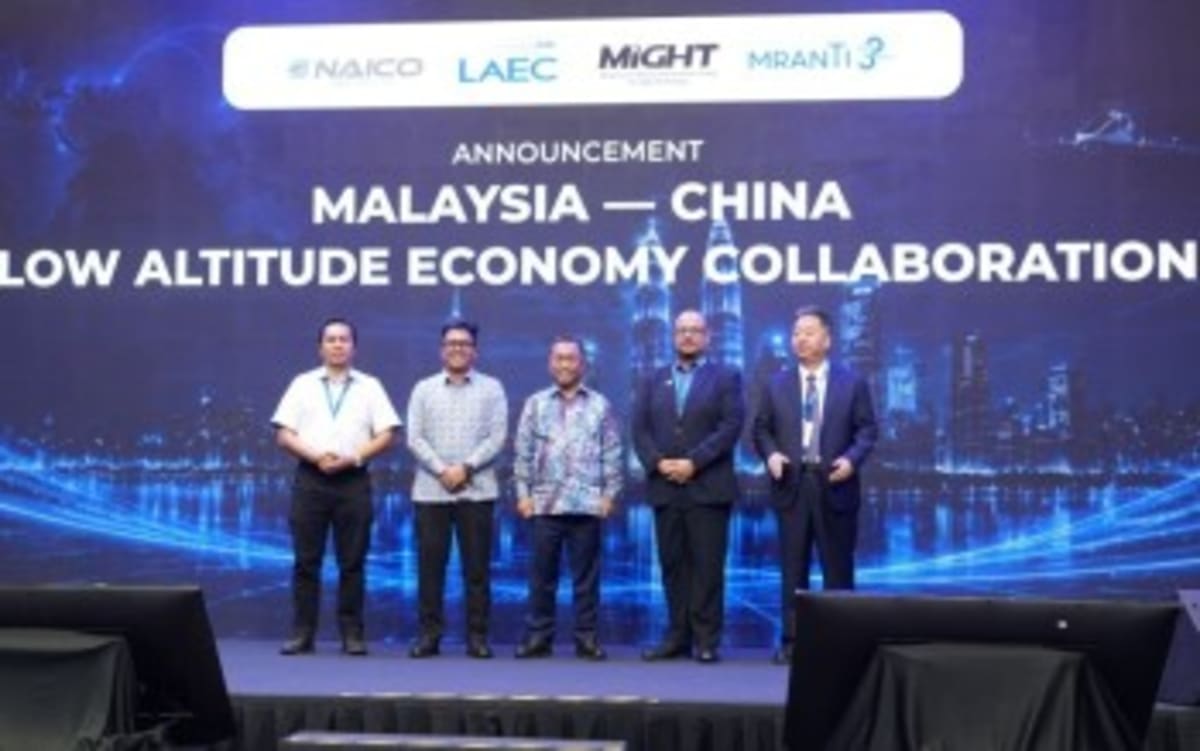
The government signed partnerships with organizations from China, France, and across Malaysia to accelerate research and international cooperation. These agreements connect Malaysian innovators with global expertise while positioning the country as Southeast Asia's testing ground for low-altitude aviation.
This collaborative model solves a problem that has slowed drone innovation worldwide: the gap between developing cool technology and getting permission to actually use it. By bringing everyone to the same table in a live testing environment, Malaysia is compressing years of back-and-forth into months of practical validation.
The broader impact extends beyond drones delivering packages. Advanced air mobility includes medical supply transport to remote areas, aerial monitoring for agriculture and infrastructure, emergency response capabilities, and eventually urban air taxis that could reshape how people move through cities.
Malaysia is betting that being first to create this testing ecosystem will attract investment and talent from across the region, establishing the country as the place where low-altitude aviation ideas become commercial realities.
Based on reporting by Regional: malaysia technology (MY)
This story was written by BrightWire based on verified news reports.
Spread the positivity!
Share this good news with someone who needs it