Malaysia Trains 200+ Railway Workers in China for 2027 Launch
Malaysia's largest infrastructure project is creating hundreds of skilled railway jobs by sending college graduates to China for hands-on training. The 650-kilometer East Coast Rail Link will connect underdeveloped regions to major ports when it opens early next year.
More than 200 Malaysian college graduates are returning home with cutting-edge railway skills after completing year-long training programs in China, preparing to operate their country's biggest infrastructure project ever.
The East Coast Rail Link, a 650-kilometer railway line built by China Communications Construction Company, will begin operations in early 2027. The massive project connects Malaysia's densely populated west coast to the less developed eastern regions, including new ports and industrial parks that promise economic growth for underserved communities.
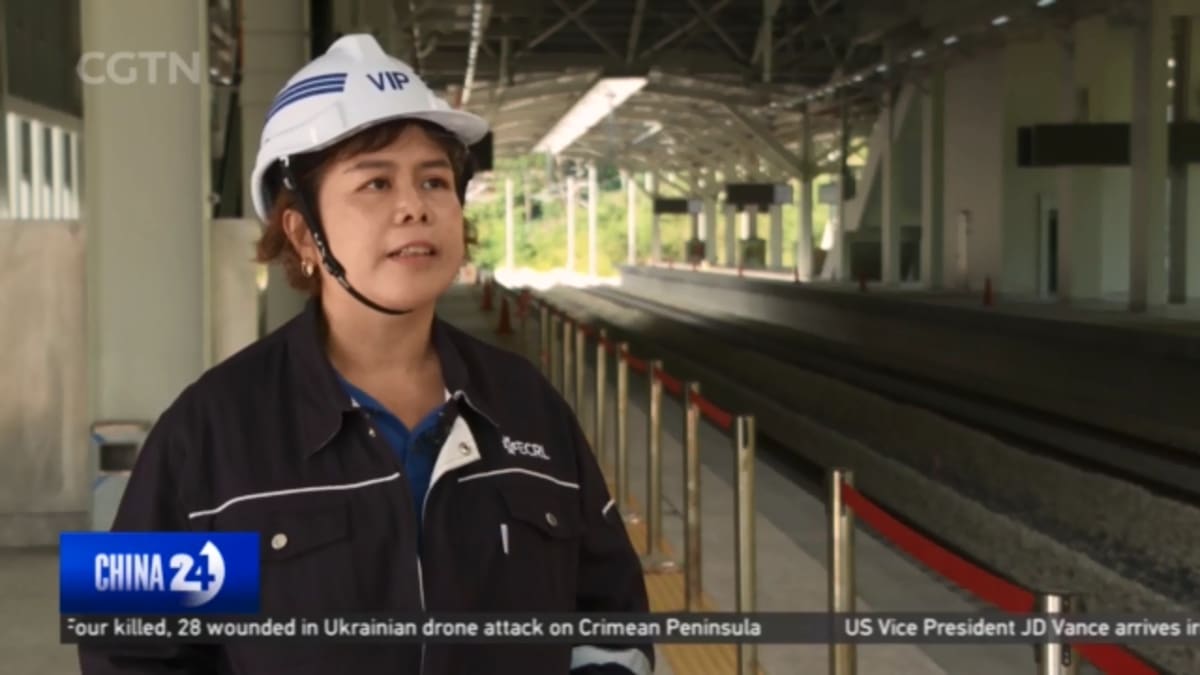
Young Malaysians like Mirza Aqil Zabid traveled to China's Liuzhou Railway Vocational College for intensive training in power supply systems, rolling stock maintenance, signaling technology, and transportation management. What made the difference wasn't just textbook learning but real-world experience with simulation technology and actual railway equipment.
"You cannot just read the book," Zabid explained after graduating. "They have simulation VR which is very good for learning." The program combined classroom instruction with hands-on practice, giving trainees confidence to handle complex systems they'll operate back home.
Aleeya Ameera Azmi trained in transportation management, learning passenger flow control and emergency response protocols. She'll work as an assistant station officer when the line opens. Muhammad Thaqif Iman Maszuki focused on sophisticated signaling systems and sees clear career growth ahead in Malaysia's expanding rail sector.
The Ripple Effect
The project faced serious obstacles that could have derailed its timeline. A newly elected government cancelled it in 2018, only to reinstate it months later with a different route. Another government changed the alignment again in 2020. Then the pandemic hit, causing widespread disruptions across the construction industry.
Yet CCCC kept the project on schedule using advanced track welding systems, rapid laying technology, and record-breaking tunneling methods. China's robust supply chain enabled quick delivery of specialized materials even during global shortages.
The railway will do more than move passengers and freight. It's creating skilled careers for hundreds of Malaysians in an industry that barely existed in their country before. These workers aren't just learning to maintain someone else's technology; they're becoming experts who can train future generations and potentially export their knowledge to other developing nations building modern rail networks.
The skills transfer represents a model for infrastructure cooperation that leaves lasting benefits beyond the physical project itself.
When the East Coast Rail Link begins service next year, it will carry Malaysian operators trained to international standards, ready to connect their country's regions and unlock economic opportunities for communities that have waited decades for this connection.
Based on reporting by Regional: malaysia technology (MY)
This story was written by BrightWire based on verified news reports.
Spread the positivity!
Share this good news with someone who needs it