Malaysian Scientist Listens to Dolphins to Save Them
A 32-year-old marine bioacoustician in Malaysia is decoding dolphin sounds to protect endangered species from underwater noise pollution. Her research is helping fishermen prevent accidental dolphin deaths using sound technology.
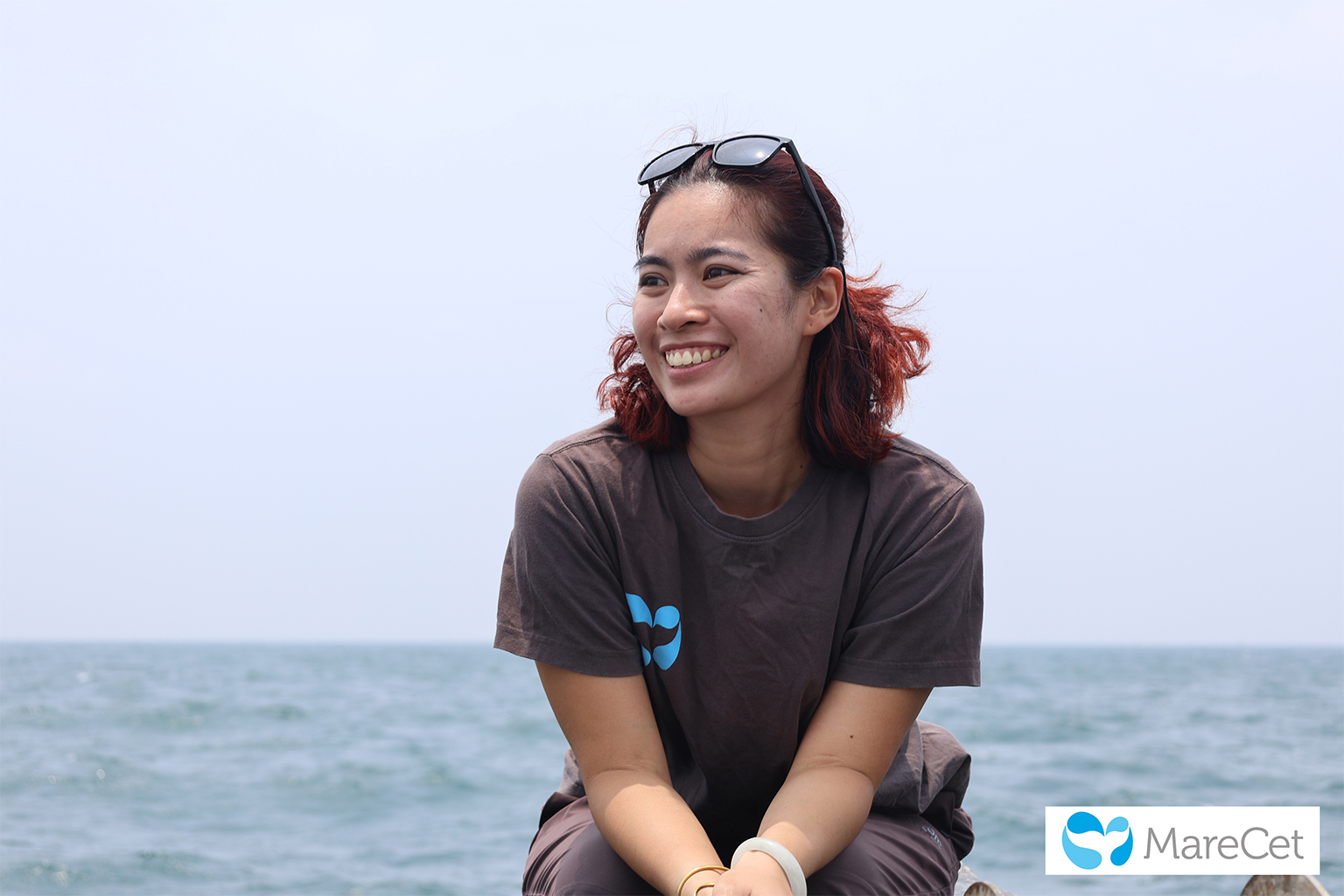
Saliza Bono spends her days listening to something most Malaysians don't even know exists: the complex language of dolphins swimming in their own coastal waters.
The 32-year-old bioacoustician works at MareCet, Malaysia's only organization dedicated to protecting marine mammals. Her mission is simple but groundbreaking: understand how dolphins communicate so we can save them from disappearing.
Malaysia's murky coastal waters are home to 27 species of marine mammals, including endangered Indo-Pacific humpback dolphins and Irrawaddy dolphins. These animals rely heavily on sound to navigate, find food, and talk to each other in waters where vision is nearly useless.
Saliza's journey began at age 10 when she saw her first dolphin in Australia. The idea that mammals with lungs like ours could live underwater fascinated her. Years later, while studying marine science, she learned that orcas have dialects, just like different regions in Malaysia speak differently.
That discovery changed everything. She dedicated her career to understanding the clicks, whistles, and calls that dolphins use to survive.
Her Ph.D. research revealed a troubling pattern. When fishing boats or tour boats pass within 500 meters of communicating dolphins, the animals significantly reduce their whistling. Even after the boats leave, the dolphins don't immediately return to normal conversation levels.
This underwater noise pollution interrupts essential communication that dolphins need for survival. In extremely murky waters like South Asia's Ganges River, dolphins are completely blind and rely entirely on sound.
Why This Inspires
Saliza isn't just documenting the problem. She's actively solving it through a clever bycatch mitigation project that saves dolphin lives.
Working with local fishermen, she's testing acoustic pingers that attach to fishing nets. These devices emit high-frequency sounds that only dolphins can hear, alerting them to nets they can't see in murky water. Regular fish can't detect these frequencies, so fishing isn't affected.
The project addresses one of the biggest threats facing Malaysia's dolphins: accidental capture in fishing nets. Interviews with fishermen confirmed that dolphins frequently get caught and die in their equipment.
Starting baseline acoustic studies in 2018, Saliza and her team record dolphin sounds during different behaviors like socializing and hunting. Building this library of dolphin communication takes decades. Researchers in Sarasota, Florida needed 50 years before they could interpret what dolphins were saying to each other.
Different whale and dolphin species communicate at vastly different frequencies. Baleen whales like humpbacks produce sounds so low humans can't hear them. Porpoises communicate at nearly ultrasonic levels above 100 kilohertz. The dolphins Saliza studies fall somewhere in the middle range.
She uses hydrophones deployed from boats to capture these underwater conversations, then analyzes the patterns to understand dolphin behavior and needs.
Her work represents something rare in marine conservation: proactive protection based on understanding what animals actually need to thrive, not just reacting after populations crash.
More Images



Based on reporting by Mongabay
This story was written by BrightWire based on verified news reports.
Play Today’s BrightWire Positive Mini Crossword & Word Game
Keep your mind sharp with our free 5-minute uplifting daily crossword and positivity word puzzle.
Spread the positivity!
Share this good news with someone who needs it