Malaysia's Malacca Builds 30,000-Car EV Hub for Asia
A Malaysian state is quietly becoming Southeast Asia's newest electric vehicle manufacturing center, with Chinese automakers now assembling thousands of EVs for export across the region. The first locally built electric SUVs are already rolling off production lines.
📺 Watch the full story above
While most people associate Asian car manufacturing with Thailand or Japan, a small Malaysian state is writing a new chapter in the electric vehicle revolution.
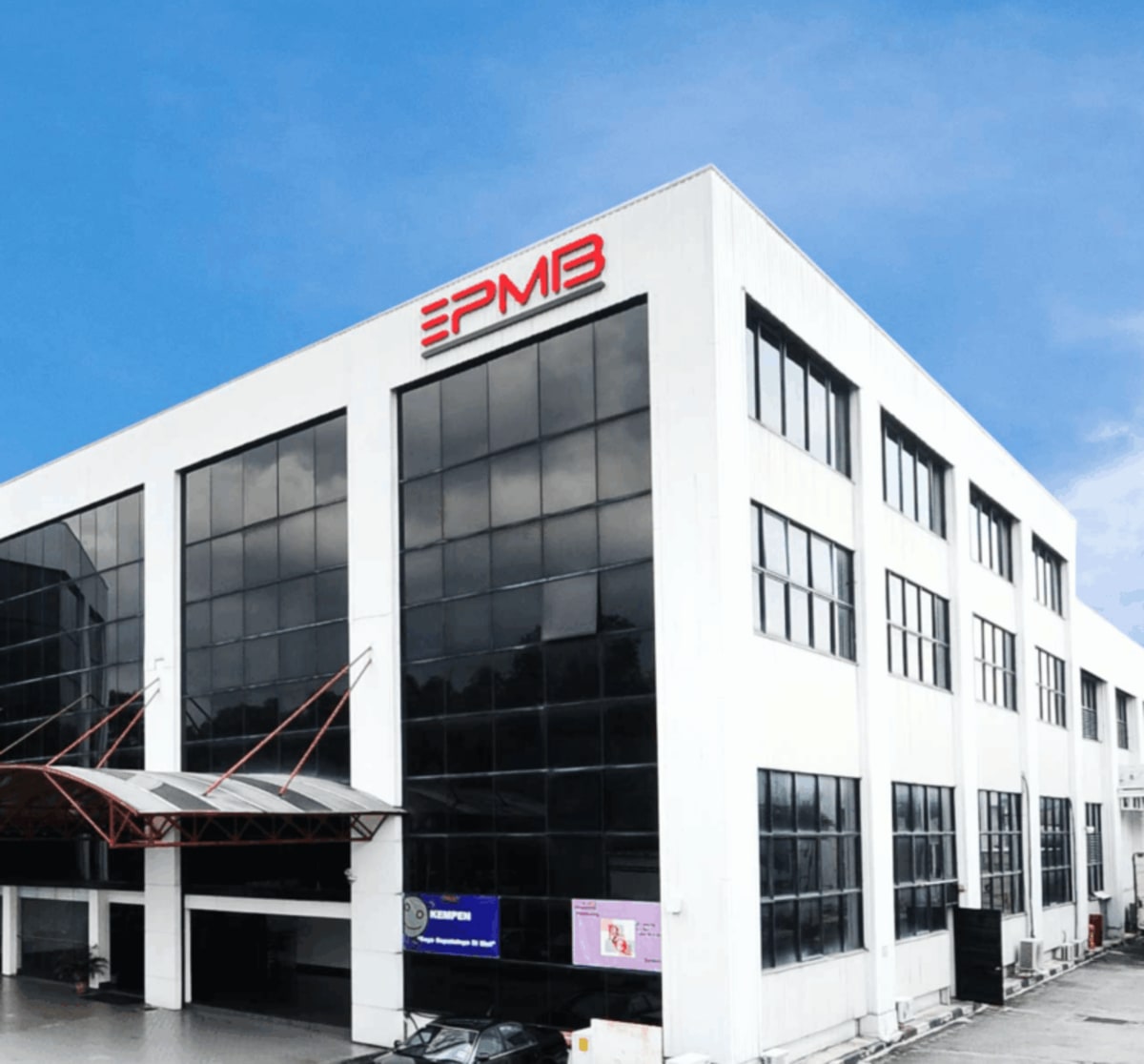
Malacca's EP Manufacturing Berhad facility just produced its first locally assembled MG S5 electric vehicle in March 2026. The milestone marks Malaysia's emergence as a right-hand-drive EV assembly hub, with the plant now targeting 30,000 vehicles annually.
The transformation happened quickly. What started as investment announcements just a few years ago has become a multi-brand production ecosystem. Chinese automakers including XPeng, MG, and BAIC are now using the Pegoh facility to build electric vehicles for Southeast Asian markets.
XPeng began local assembly operations in December 2025, with the G6 electric SUV rolling into production by March 2026. The X9 minivan and its extended-range variant followed in May, part of XPeng's global manufacturing expansion strategy.
The timing isn't accidental. Malaysian tax exemptions for fully imported EVs expired at the end of 2025, pushing automakers to establish local assembly partnerships. Locally assembled EVs continue receiving tax incentives through 2027, creating a perfect window for manufacturers to set up shop.
The facility's second phase expansion increased annual capacity from 6,000 units to 30,000 units, with future phases promising even more advanced production capabilities. Malaysia isn't trying to compete with Indonesia's battery minerals or Thailand's massive automotive infrastructure. Instead, it's carving out a specialized role as a flexible contract manufacturer for Chinese EV brands entering Southeast Asia.
The Ripple Effect
This shift represents more than just new factories. Malaysia is creating jobs while accelerating the region's transition to electric transportation. Every vehicle assembled in Malacca helps make EVs more accessible and affordable across Southeast Asia's right-hand-drive markets.
The strategy also reduces tariff exposure for Chinese manufacturers while giving ASEAN countries more options for electric vehicles. As traditional automotive giants focus on other markets, Malaysia is proving that nimble, specialized manufacturing can find success.
Other projects are in development too, including a partnership between Fieldman EV and China's Changan Automobile, though that facility is moving more slowly than the Pegoh operation.
Malacca's EV ecosystem is still young, and success depends on sustained demand and continued government support. But the concentration of Chinese EV activity in the state suggests something important is taking root in Southeast Asia's electrified automotive supply chain.
More Images
Based on reporting by CleanTechnica
This story was written by BrightWire based on verified news reports.
Spread the positivity!
Share this good news with someone who needs it