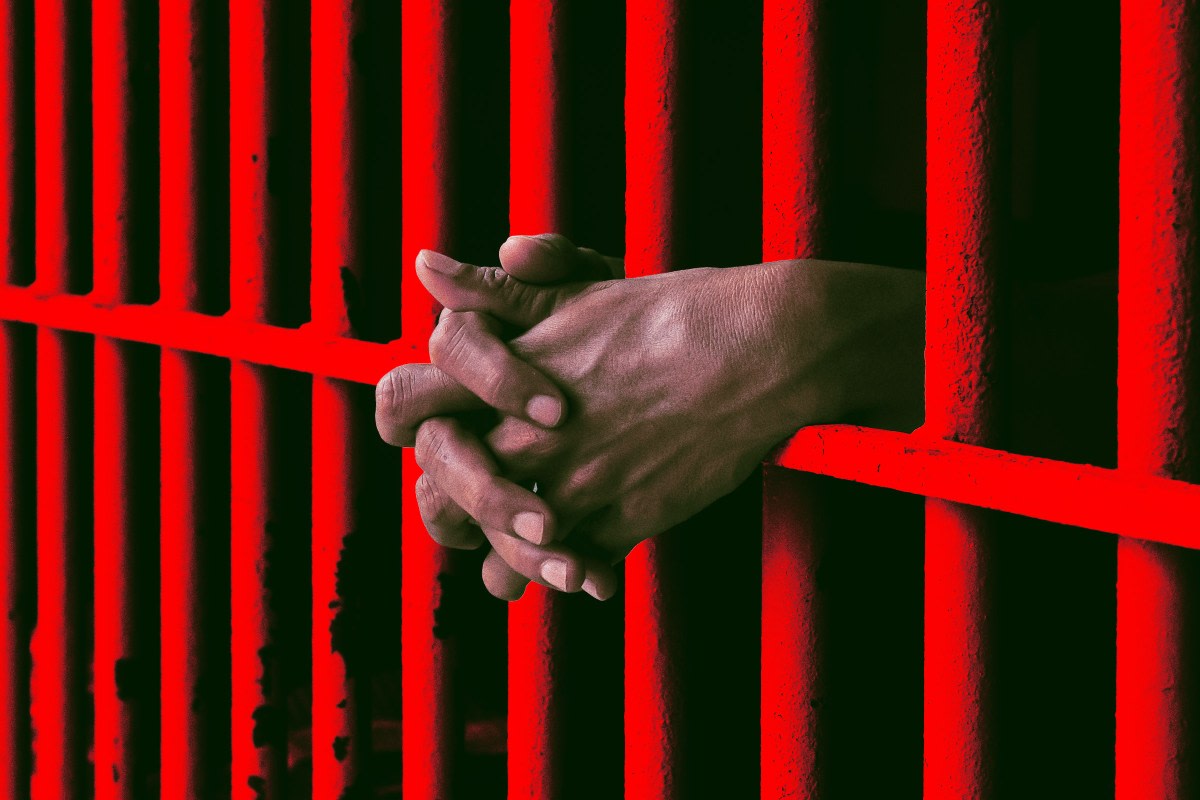
Man Freed After AI Facial Recognition Jailed Him 50 Days
Jalil Richardson spent over 50 days in jail after flawed AI facial recognition wrongly identified him as a criminal, despite being at work hundreds of miles away. His case led prosecutors to drop charges and highlights the urgent need for better safeguards in law enforcement technology.
Jalil Richardson just got his freedom back after spending more than 50 days behind bars for a crime he never committed. The North Carolina man was arrested after AI facial recognition software matched him to surveillance footage of a vehicle theft in Jacksonville, Florida with 85 percent confidence.
There was just one problem. Richardson was clocked into his job hundreds of miles away in North Carolina when the crime happened.
Despite having a solid alibi, the AI match combined with two eyewitness accounts gave police enough probable cause to arrest him. Richardson sat in jail for nearly two months before his lawyers could finally prove his innocence in court, forcing prosecutors to drop all charges.
The consequences were devastating. Richardson lost his job after missing two months of work. He lost his home and custody of two of his children while locked up for something he didn't do.
Jacksonville police are now facing serious questions about their facial recognition practices. This marks the second wrongful arrest by their department using the same technology, following Robert Dillon's case where he faced kidnapping charges despite being five hours away from the crime scene.
The Bright Side
Richardson's case is sparking important conversations about technology safeguards in law enforcement. Privacy advocates are pushing for stricter regulations on facial recognition use, arguing that the technology is too dangerous without proper oversight and verification procedures.
The Electronic Frontier Foundation is now tracking these cases nationwide and advocating for policy changes. Their work has documented 14 known wrongful arrests due to facial recognition errors, bringing much-needed attention to the issue.
Richardson's story is also highlighting the critical importance of thorough investigations before arrests. His case proves that technology should support police work, not replace proper detective work like checking alibis and gathering corroborating evidence.
While Richardson faces a difficult road to rebuild his life, his courage in speaking out is helping protect others from similar injustices. His experience is pushing police departments across the country to reconsider how they use AI tools and what safeguards need to be in place.
Thanks to Richardson and other victims sharing their stories, lawmakers are now considering legislation to regulate facial recognition technology and require human verification before arrests. That means fewer innocent people suffering the same fate in the future.
More Images
Based on reporting by Futurism
This story was written by BrightWire based on verified news reports.
Spread the positivity!
Share this good news with someone who needs it