Man Records 2,000+ Holocaust Survivors Before It's Too Late
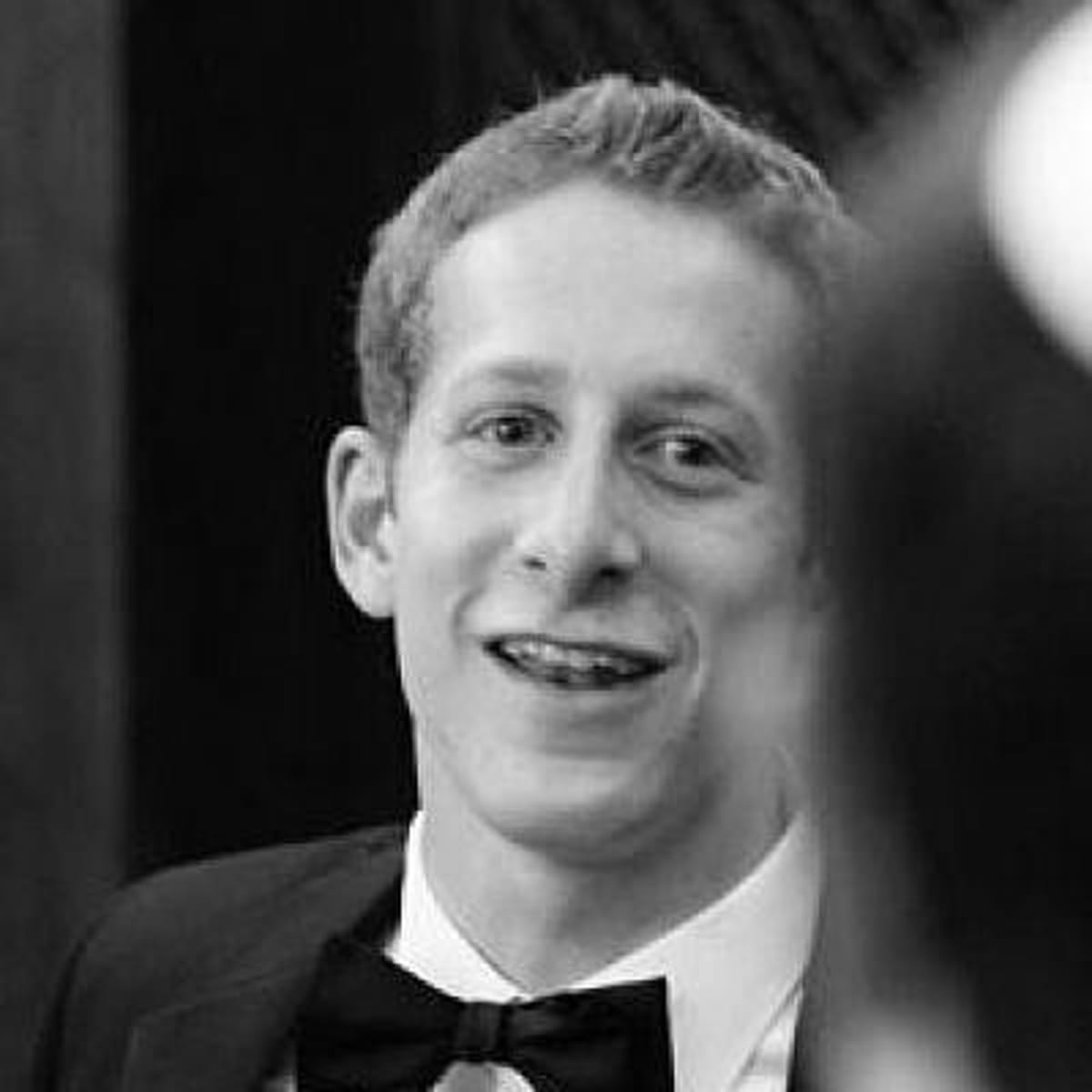
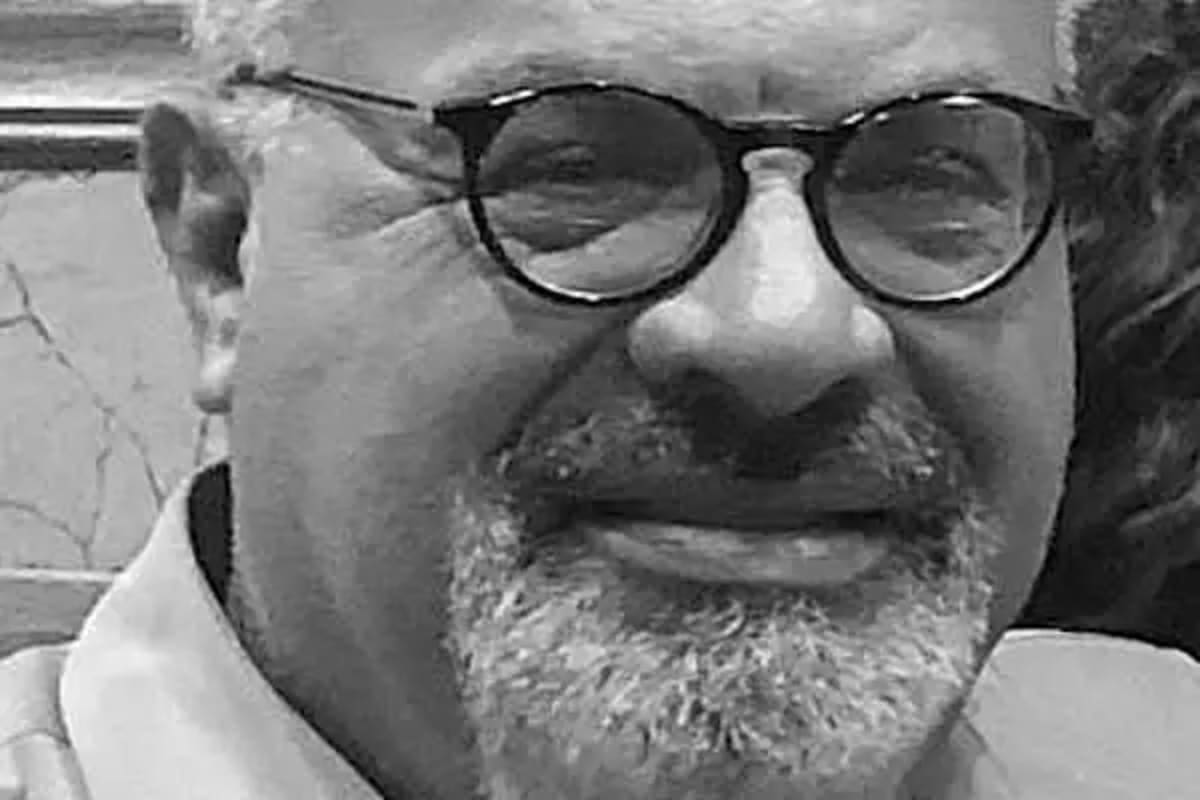
Brad Zarlin spent nearly two decades quietly interviewing over 2,000 Holocaust survivors, many sharing their stories for the first time. His thousands of hours of recordings now preserve irreplaceable firsthand testimonies at the United States Holocaust Memorial Museum.
One man with a phone recording device and extraordinary patience has created one of the most important historical archives of our time.
Brad Zarlin has interviewed more than 2,000 Holocaust survivors over nearly two decades, recording thousands of hours of firsthand testimony. Many of the people he spoke with had never shared their stories publicly before.
What makes his work remarkable isn't just the scale. It's that he did it all as a volunteer, often facing rejection and skepticism from families who didn't understand why a stranger wanted to document their loved ones' memories.
The project started almost by accident in 2006. Zarlin discovered a four-volume Holocaust Registry in a library, listing survivors who were still alive. He bought a $10 recording cord from RadioShack and made his first call to a man in Charleston, South Carolina, who had survived 10 to 12 concentration camps.
That survivor said yes. Then hundreds more said yes. Then thousands.
Zarlin conducted most interviews by phone, which allowed survivors to speak more freely than they might in front of a camera. The average interview lasted over three hours. The longest stretched to 16 hours.
One survivor called him out of the blue and said "right now" when asked when he'd like to be interviewed. They talked for over four hours straight without a single break.
Today, all of those interviews live in the collections of the United States Holocaust Memorial Museum. They've become vital historical records for families and researchers alike.
Why This Inspires
Zarlin's background in Wall Street brokerage prepared him for something unexpected: handling rejection. When families questioned his motives or told him to stop, he kept going. Most people would have quit.
His persistence means that thousands of voices that might have been lost forever are now preserved. Children and grandchildren have recordings of their loved ones sharing experiences they rarely discussed at home.
The work required no special credentials or funding, just dedication and respect. Zarlin simply recognized that time was running out to capture these firsthand accounts, and he decided to do something about it.
His quiet commitment over nearly 20 years created something that will matter for generations, maybe centuries. Sometimes the most important work happens one phone call at a time.
More Images

Based on reporting by Google: survivor story
This story was written by BrightWire based on verified news reports.
Spread the positivity!
Share this good news with someone who needs it