Man Turns 4 School Libraries Into Climate Action Labs
In smog-choked Faridabad, Sandy Khanda is transforming neglected government school libraries into hands-on sustainability centers where 2,250 students learn climate action by living it. Vertical gardens made from plastic bottles now line walls where dust once gathered.
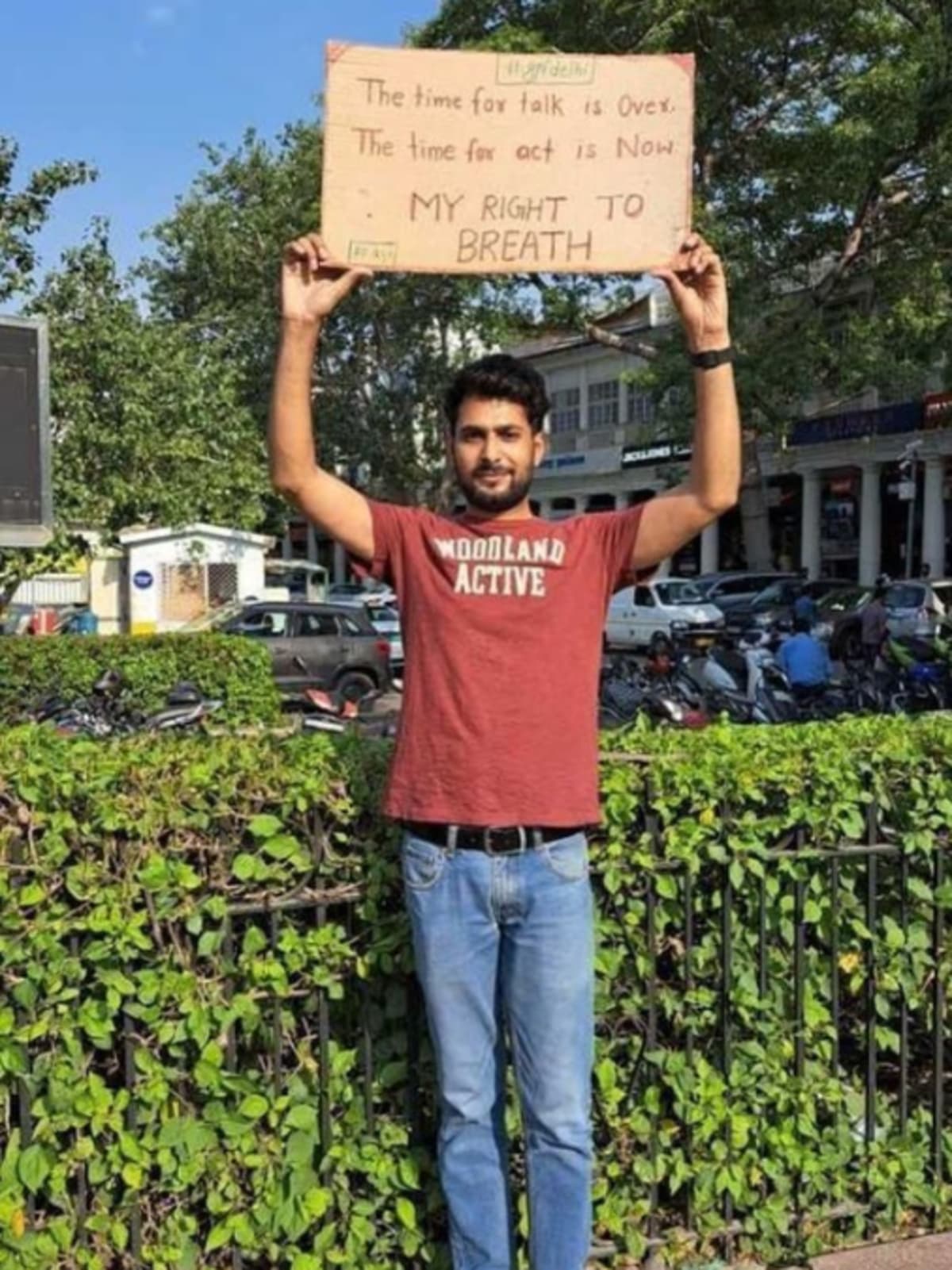
Sandy Khanda saw children in Delhi-NCR growing up breathing pollution like it was normal, and he couldn't look away. While other students complained about smoggy winters, he started asking a different question: what if schools became the solution?
He noticed government school libraries sat mostly ignored, gathering dust while kids crowded into cramped classrooms. These forgotten spaces gave him an idea that would change thousands of young lives.
Sandy founded Green Pencil Foundation with a simple mission: turn libraries into living laboratories where sustainability isn't a textbook chapter but a daily practice. He started in Faridabad, one of India's most polluted cities, where the need felt most urgent.
The transformation happened fast. Discarded plastic bottles became vertical gardens climbing library walls, teaching kids that waste could nurture life. Bamboo furniture replaced plastic chairs, and metal bins appeared with labels teaching students to sort their trash.
Digital reading corners cut down paper use while sanitary pad vending machines addressed both dignity and environmental impact. Every change served double duty: solving a real problem while teaching a larger lesson.
Students now learn about PM2.5 levels, carbon absorption, and soil contamination through projects they can touch and tend. They watch seeds sprout in bottles they rescued from garbage, connecting their daily choices to the hazy air outside their windows.
The Ripple Effect
Four Faridabad government schools have joined the movement, bringing 2,250 students into active climate education. These aren't wealthy private school kids with resources at home. They're children who experience pollution's worst effects but rarely get tools to fight back.
The libraries became gathering spaces again, but for a new purpose. Students compete to grow the healthiest plants in their bottle gardens and track how much plastic their school diverts from landfills.
Teachers report students taking lessons home, asking parents about waste sorting and explaining carbon footprints at dinner tables. One library's worth of change is spreading through entire neighborhoods.
Sandy proved that climate action doesn't require massive funding or government mandates. Sometimes it just needs someone willing to see potential in forgotten spaces and trust kids to rise to big challenges.
These 2,250 students are learning that breathing clean air isn't a luxury but something they can help create, one library garden at a time.
Based on reporting by The Better India
This story was written by BrightWire based on verified news reports.
Spread the positivity!
Share this good news with someone who needs it
%2Ffile%2Fattachments%2Forphans%2Fworth-the-fightcopy_317673.jpg)