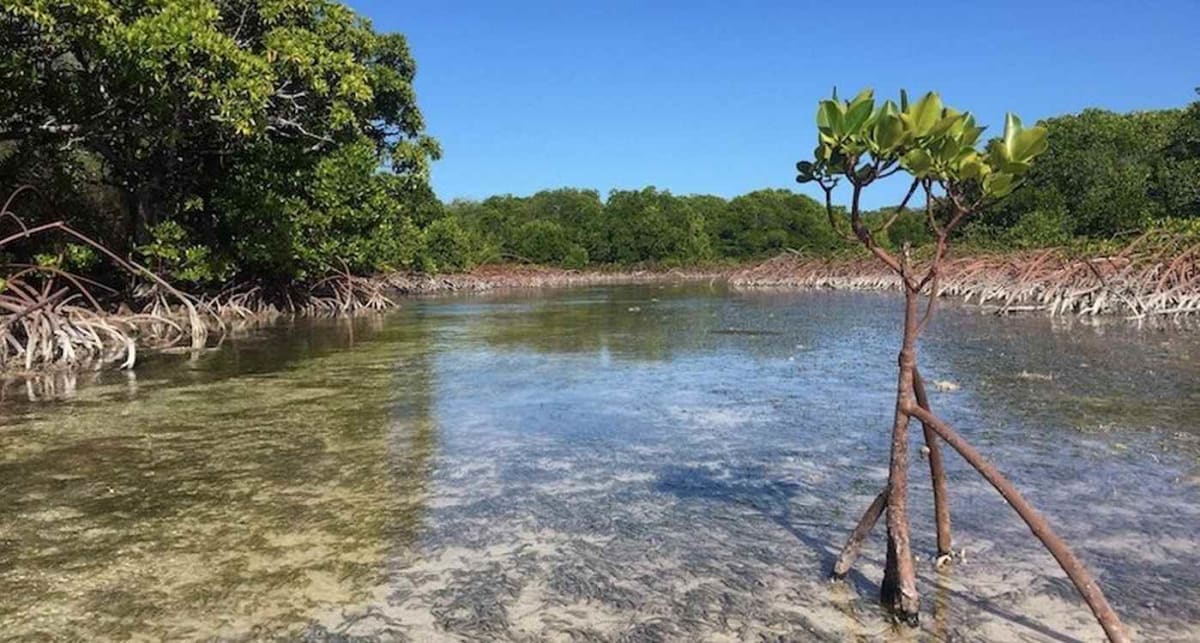
Mangrove Forests Rebound After Decades of Global Loss
After losing nearly 1,120 square miles between the 1980s and 2010, the world's mangrove forests have reversed course and are now growing denser and healthier than ever. The stunning comeback marks a rare conservation victory driven by awareness after the 2004 Indian Ocean tsunami showed their power to protect coastlines.
The world's mangrove forests are making a stunning comeback after decades of destruction, with more coastal trees standing today than at the turn of the century.
A groundbreaking study from Tulane University reveals that mangrove loss has not only stopped but completely reversed over the past 16 years. The forests now show a net increase globally, transforming what seemed like an environmental disaster into one of conservation's biggest success stories.
The shift began after a tragedy. When the 2004 Indian Ocean tsunami devastated coastal communities, islands with intact mangrove forests suffered far less damage than those that had cleared them. In Indonesia, the difference was stark and undeniable.
"Some islands were covered by mangroves and after the tsunami those islands were protected very well, so that increased public awareness about the importance of protecting mangroves," explains lead author Dr. Zhen Zhang.
That awareness sparked action. Countries across South and Southeast Asia launched restoration programs and conservation policies that are now paying off in measurable ways.
The numbers tell an encouraging story. Between the 1980s and 2010, the world lost nearly 1,120 square miles of mangrove forests to development and aquaculture. But by 2023, gains had outpaced losses so dramatically that the net decline over the entire four decades sits at just 1 percent.
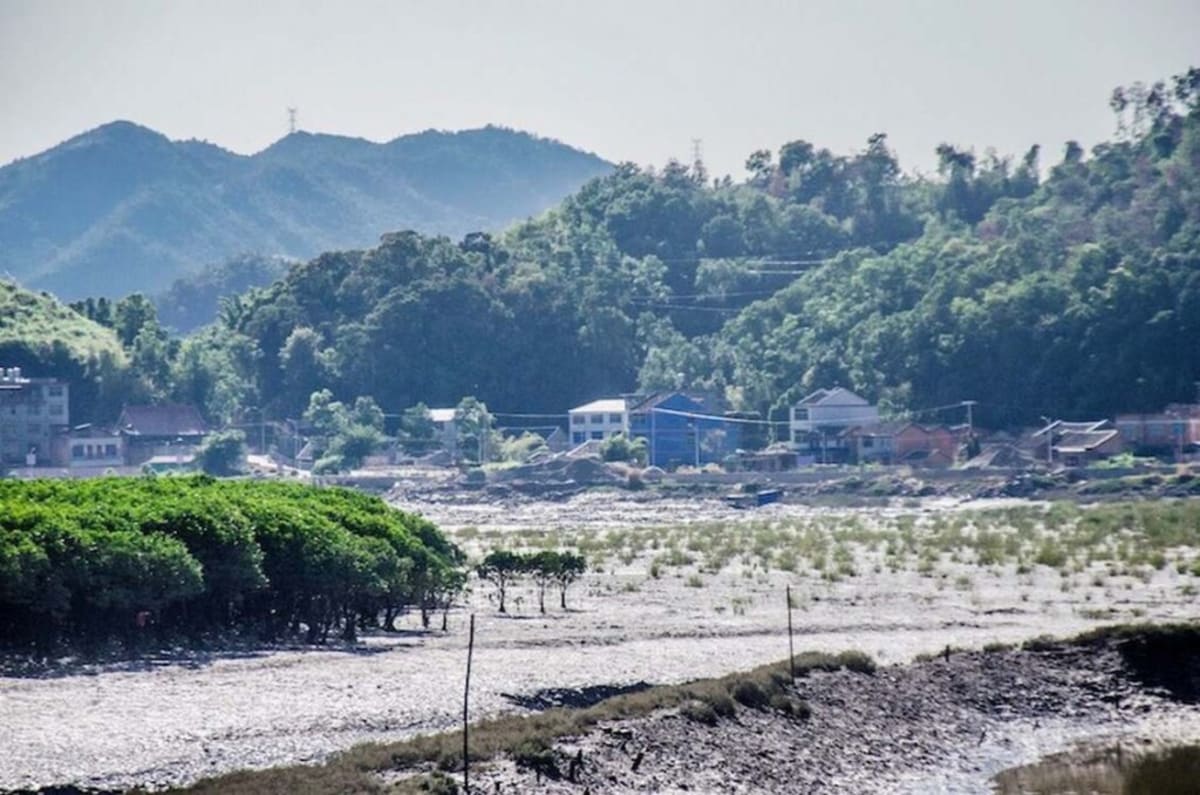
Even more impressive is what's happening to existing forests. Closed canopy mangroves, the densest and healthiest type, have expanded significantly. These mature forests store far more carbon and provide stronger protection against storms and rising seas.
The Ripple Effect
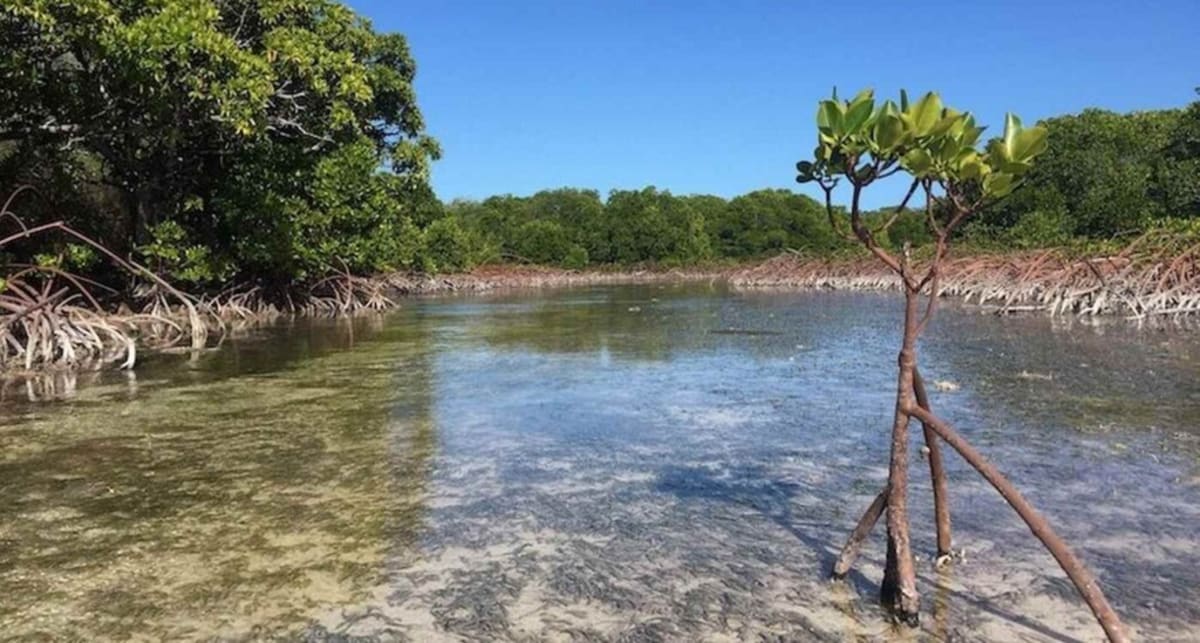
Mangroves punch above their weight in the fight against climate change. They absorb up to five times more carbon than land based trees while filtering pollutants from coastal waters. Their tangled roots create safe nurseries where fish, crabs, and other marine life can grow beyond the reach of predators.
Despite their vital role, mangroves face constant pressure from developers who see valuable waterfront property. Few people seek them out for recreation because trudging through muddy, bug filled swamps lacks the appeal of a forest hike.
That makes their comeback even more remarkable. Conservation is working against the odds, proving that targeted policies and restoration efforts can reverse environmental decline.
"While some mangroves are still being lost, this could make them a rare conservation success story and an important source of optimism for climate action," says Daniel Friess, director of The Mangrove Lab at Tulane.
The expanding forests may be capturing more carbon than scientists previously recognized, offering unexpected help in the battle against rising global temperatures.
Twenty years ago, mangrove loss seemed inevitable, but today these resilient coastal forests are writing a different ending.
More Images


Based on reporting by Good News Network
This story was written by BrightWire based on verified news reports.
Spread the positivity!
Share this good news with someone who needs it