Mangroves Could Fund Coral Reef Recovery
Scientists have discovered a way to use carbon credits from mangrove forests to pay for coral reef restoration, creating a win-win for ocean health. The approach connects two struggling ecosystems in a mutually beneficial partnership.
Coral reefs are dying at alarming rates, but a new scientific breakthrough might offer them a lifeline funded by their coastal neighbors.
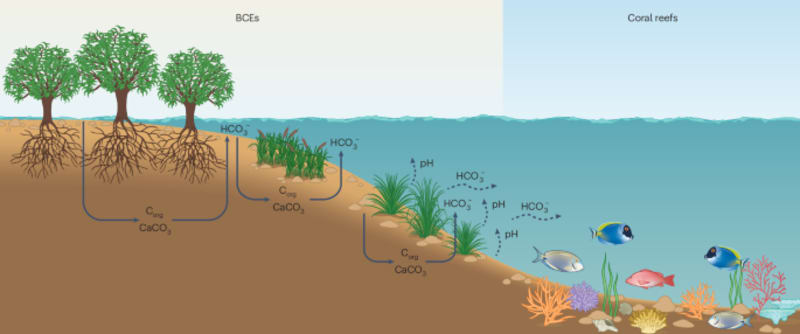
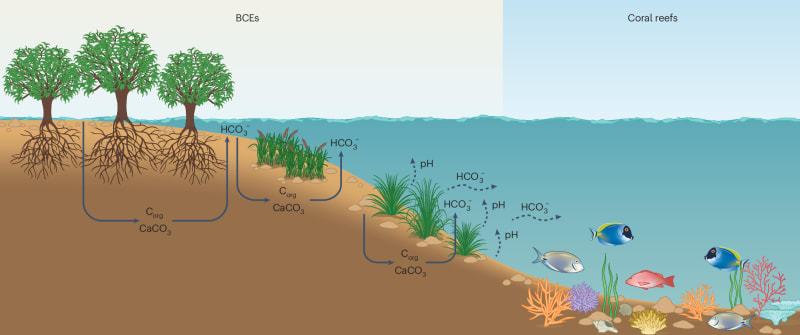
Researchers have identified a powerful connection between mangrove forests and coral reefs that could revolutionize how we protect both ecosystems. Mangroves naturally absorb carbon dioxide and create alkaline conditions that reduce ocean acidity, which happens to be exactly what struggling coral reefs need to survive.
Here's where it gets really exciting. Mangroves qualify for carbon credits because they're incredible at storing carbon in what scientists call "blue carbon" ecosystems. That means companies and organizations can pay to protect or restore mangrove forests to offset their emissions.
The innovation is using those carbon credit funds to also restore nearby coral reefs. Since healthy mangroves naturally improve water conditions for corals by reducing acidity, the two ecosystems support each other in a reinforcing cycle.
This matters because coral restoration has always struggled with funding. Traditional restoration projects are expensive and difficult to sustain long term. Carbon credits from mangroves could provide steady, predictable income while delivering proven climate benefits.
The science backs up the synergy. Mangroves release alkaline compounds that neutralize the acidic conditions threatening coral reefs worldwide. As ocean acidification worsens with climate change, this natural buffering becomes increasingly valuable for coral survival.
The Ripple Effect
This approach solves multiple problems at once. Coastal communities get protection from storms and erosion that both mangroves and coral reefs provide. Marine biodiversity gets a boost from two restored ecosystems instead of one. And climate action becomes more effective because the carbon storage is paired with adaptation benefits.
Several pilot projects are already testing this model in tropical regions where mangroves and reefs exist side by side. Early results show that restored mangrove forests can measurably improve water chemistry in adjacent reef areas within months.
The funding model is particularly promising because it doesn't rely on charity or government budgets alone. Carbon markets are growing rapidly as companies seek credible ways to offset emissions, creating sustainable revenue streams for conservation.
Scientists emphasize that this isn't a silver bullet, but it represents a practical path forward. By aligning ecological benefits with innovative funding strategies, coastal restoration becomes economically viable at scale.
The research shows that nature's solutions work best when they work together, creating resilient coastlines one partnership at a time.
More Images
Based on reporting by Google News - Climate Solution
This story was written by BrightWire based on verified news reports.
Spread the positivity!
Share this good news with someone who needs it