Manila Delivery Scooters Go Electric in 1-Minute Swaps
Delivery riders in the Philippines can now swap dead scooter batteries for fully charged ones in under 60 seconds, slashing downtime and fuel costs. A groundbreaking pilot program is proving electric motorcycles can transform last-mile delivery without breaking the bank.
📺 Watch the full story above
Millions of delivery riders across the Philippines spend their days battling traffic, fuel costs, and razor-thin profit margins on gas-powered motorcycles. Now, a partnership between logistics giant JRS Express and mobility startup Voltai is rewriting the rules with electric scooters that never need charging breaks.
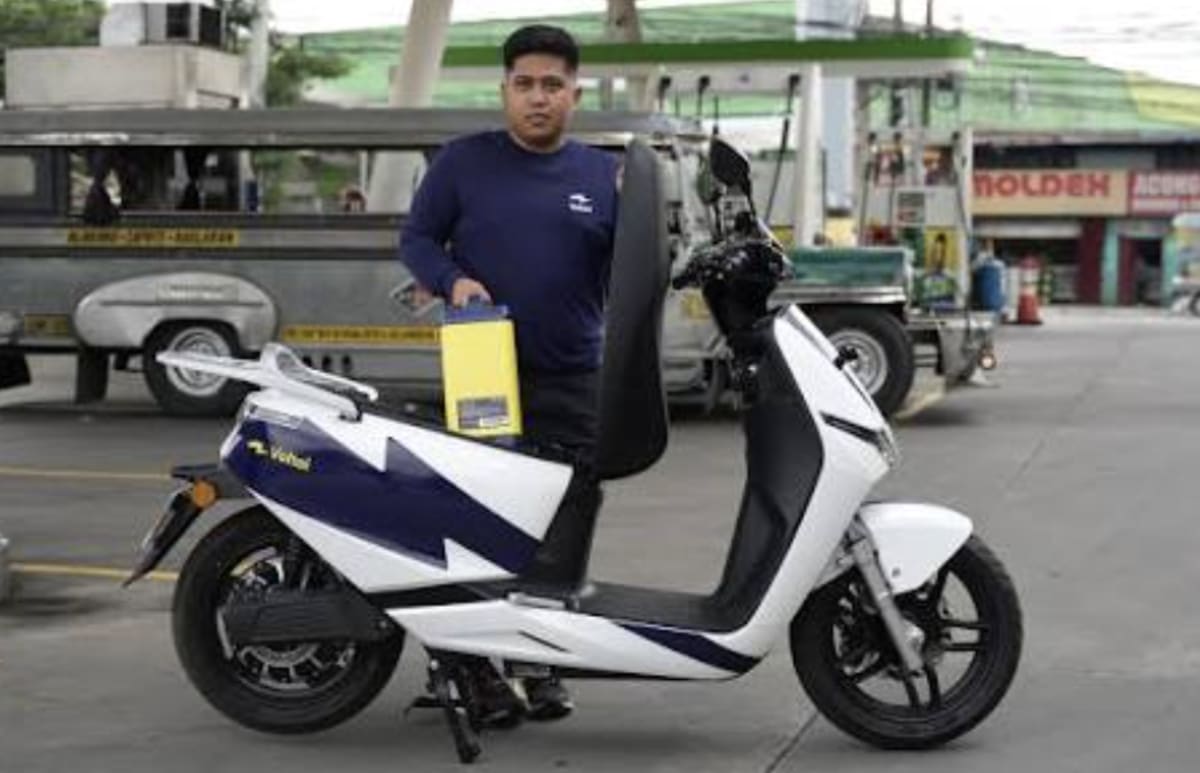
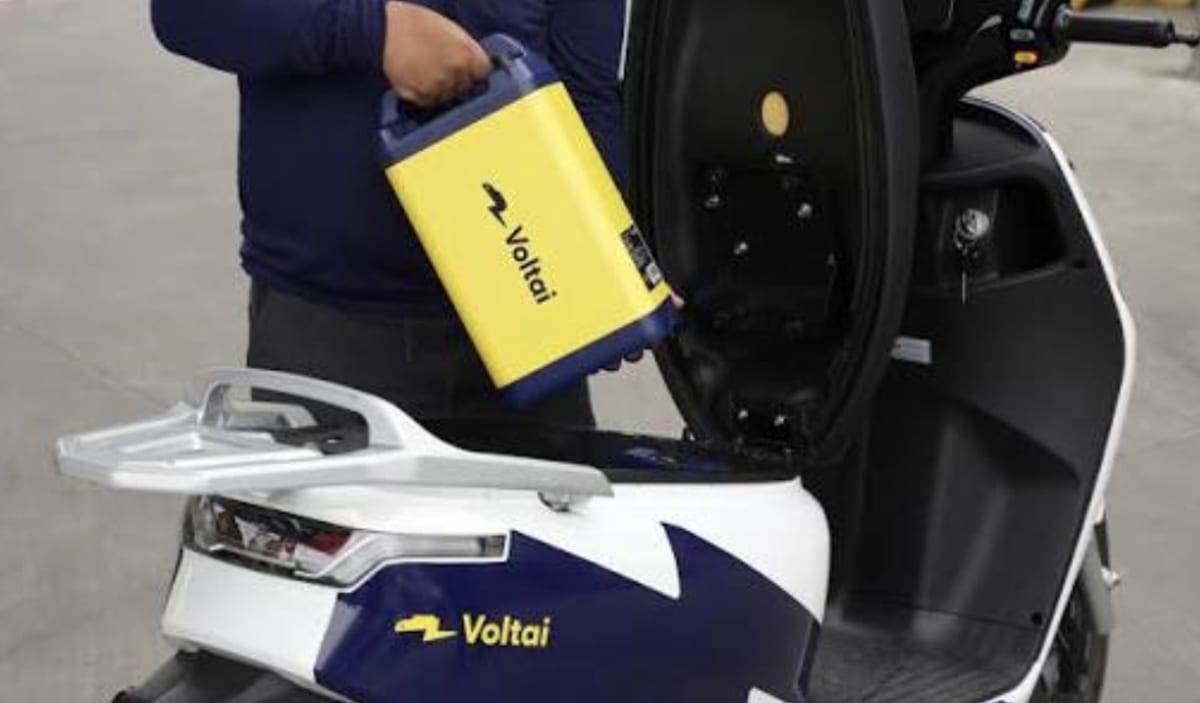
The pilot program launched in Metro Manila this March and hit full operational testing in July. Instead of waiting hours for batteries to charge, riders pull into swap stations, exchange depleted batteries for fresh ones in less than a minute, and get right back on the road.
Voltai tackled the biggest barrier to electric vehicle adoption by ditching the traditional sales model entirely. Riders don't buy the motorcycles or batteries outright. Instead, they pay a predictable monthly subscription that eliminates the crushing upfront costs that typically keep commercial operators stuck on gas bikes.
The company now runs 15 battery-swapping stations across Metro Manila, the largest network of its kind for two-wheeled vehicles in the Philippines. The stations sit at strategic spots including fuel retailers and residential properties, making swaps as convenient as a quick pit stop.
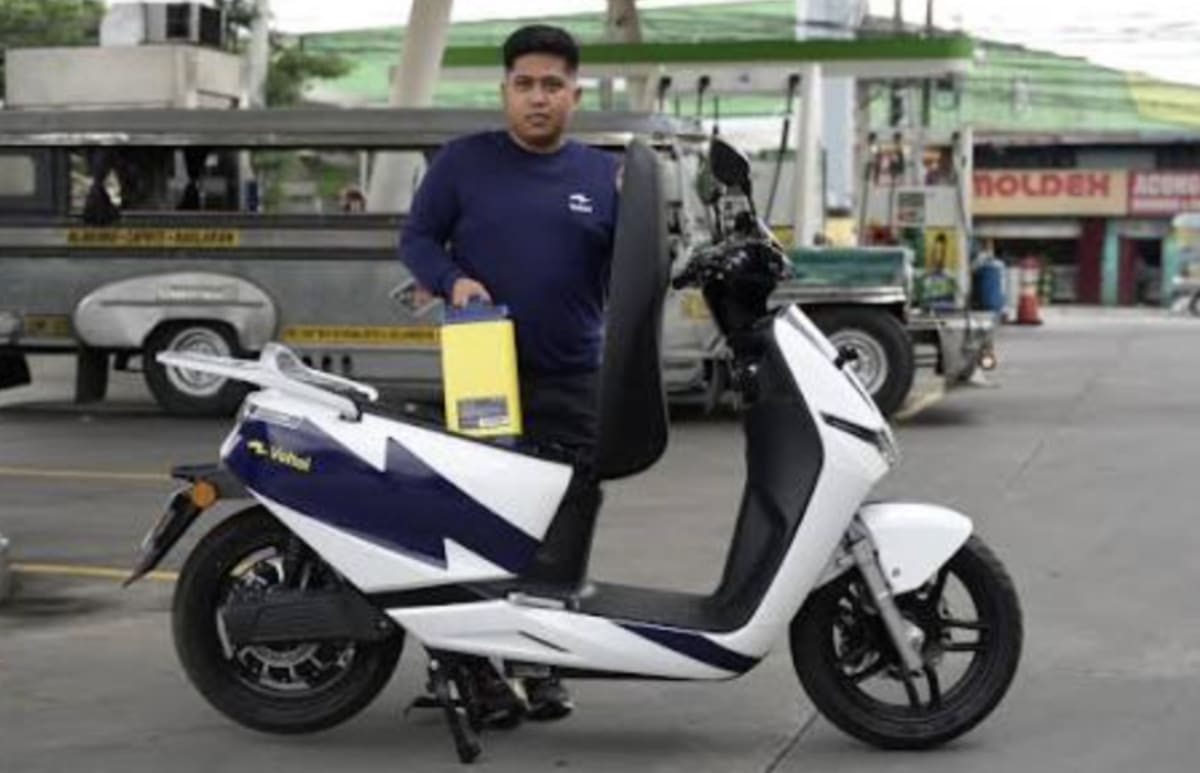
Each Voltai AP01 electric motorcycle carries two batteries that together deliver 140 kilometers of range. A mobile app lets fleet managers track battery health, vehicle location, and usage patterns in real time, giving companies unprecedented visibility into their operations.
John Paul Claparols, vice president of JRS Express, reports that early data shows smooth operations and happy riders. "Innovation and environmental responsibility can move forward together," he said, noting the shift aligns with the company's sustainability commitments.
The Ripple Effect
The environmental benefits extend beyond eliminating tailpipe emissions. While mass adoption of fast-charging electric cars could strain power grids with unpredictable demand spikes, commercial delivery fleets operate on predictable schedules. Voltai charges batteries at steady rates during off-peak overnight hours when the electrical grid has excess capacity, functioning as a well-behaved industrial customer rather than a grid stressor.
For riders themselves, the impact hits where it matters most. Commercial motorcycle operators face relentless maintenance demands and devastating exposure to volatile fuel prices that can erase profits overnight. Electric motorcycles slash both concerns while eliminating the downtime that costs riders income.
Carlos Aboitiz, chairman of Voltai, emphasized the local benefits. "This partnership is a step toward enhancing energy security, affordability, and sustainability," he said.
The companies haven't revealed how many vehicles are currently in the pilot or when they plan to expand citywide. But the technology is already proving that cleaner delivery doesn't require riders to sacrifice speed, convenience, or their livelihoods.
More Images

Based on reporting by CleanTechnica
This story was written by BrightWire based on verified news reports.
Spread the positivity!
Share this good news with someone who needs it