Manila's Electric Moto-Taxis Hit the Streets
Electric motorcycles are replacing gas-powered moto-taxis across Manila and other Philippine cities, making clean transportation affordable for drivers who carry millions of commuters daily. For the first time, this isn't a test program—it's real commercial service backed by major companies.
📺 Watch the full story above
Electric motorcycles are now ferrying passengers through Manila's congested streets, marking the Philippines' shift from electric vehicle experiments to actual clean transport you can hail with an app.
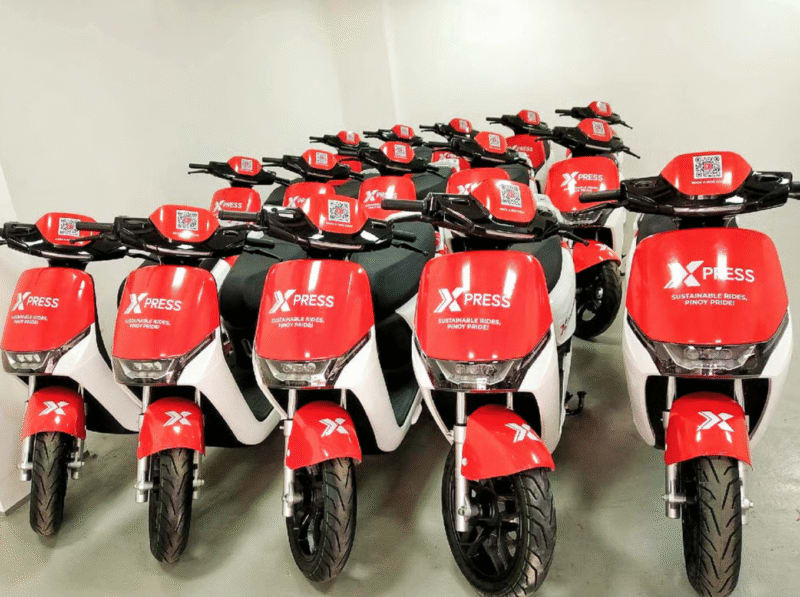
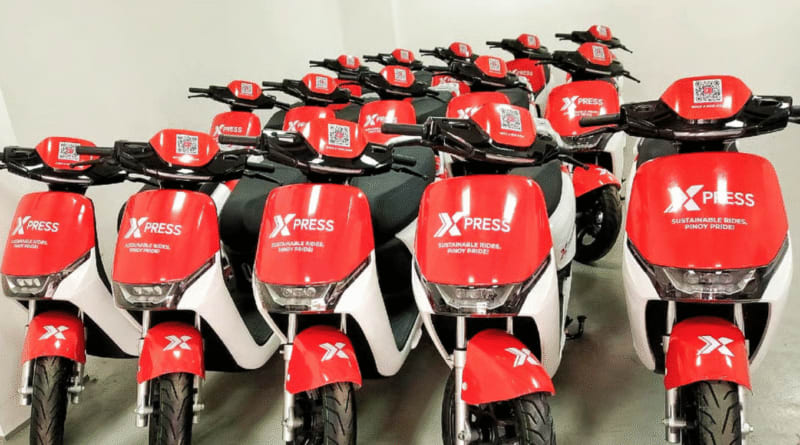
Ride-hailing platform Xpress Super App has integrated electric motorcycles from VOLTAI into its network, replacing gas-powered bikes that have dominated Filipino transport for decades. The Aboitiz Group, one of the country's largest corporations, backs VOLTAI with the infrastructure and support that previous electric vehicle attempts lacked.
Unlike past pilot programs that fizzled after initial testing, these electric moto-taxis are running daily commercial routes with real passengers. Drivers aren't testing vehicles—they're earning their living with them.
The financing piece matters just as much as the technology. Cebuana Lhuillier is offering installment plans that let drivers switch to electric without draining their savings upfront, removing the biggest barrier that kept earlier efforts from scaling.
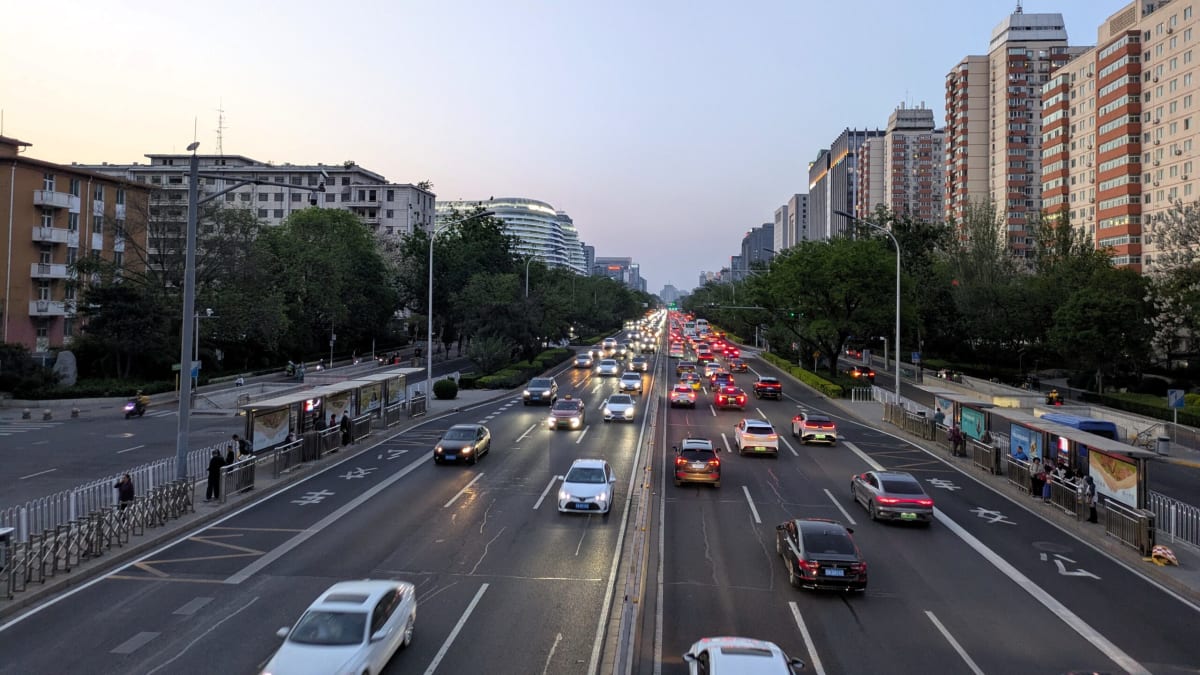
Motorcycles and moto-taxis move more people through Philippine cities than almost any other transport mode. In dense urban areas where cars sit stuck in traffic, two-wheelers weave through congestion carrying commuters to work, students to school, and families across town.
Electric motorcycles cost less than electric cars, need less maintenance, and pay for themselves faster when used for commercial transport. High daily trip volumes mean drivers save on fuel costs quickly, making the economics work without subsidies or special incentives.
The Ripple Effect
Two-wheel vehicles account for a massive share of daily trips in Philippine cities, particularly for short distances where they're the most practical option. Electrifying this segment cuts urban emissions faster than waiting for expensive electric cars to become affordable for average families.
The platform-based model solves another problem that killed earlier attempts. Xpress guarantees consistent ride demand, so drivers don't worry whether they'll earn enough to justify the investment. Previous pilots left drivers with electric bikes but no guaranteed customers.
VOLTAI designed these motorcycles specifically for stop-and-go Manila traffic and extended daily use, not for ideal conditions in wealthy markets. That local focus, combined with Aboitiz Group's institutional backing, provides the after-sales support and spare parts availability that fragmented earlier efforts couldn't deliver.
The companies haven't released deployment numbers or expansion timelines yet. Transport analysts say the real test comes next—whether the model expands to additional cities and whether drivers stick with electric long-term.
If this rollout succeeds, millions of daily trips across Philippine cities could shift from gas to electric, cleaning the air while keeping transportation affordable for the drivers and passengers who depend on it most.
More Images


Based on reporting by CleanTechnica
This story was written by BrightWire based on verified news reports.
Spread the positivity!
Share this good news with someone who needs it