Manta Ray-Inspired Filter Traps 3x More Laundry Microplastics
Three inventors in Ohio looked to the ocean for help cleaning up the ocean. Their washing machine filter mimics manta ray mouths to capture tiny plastic fibers before they reach waterways.
A single load of laundry can release 1.5 million microscopic plastic fibers into our water systems, but three young inventors just borrowed a trick from nature to stop it.
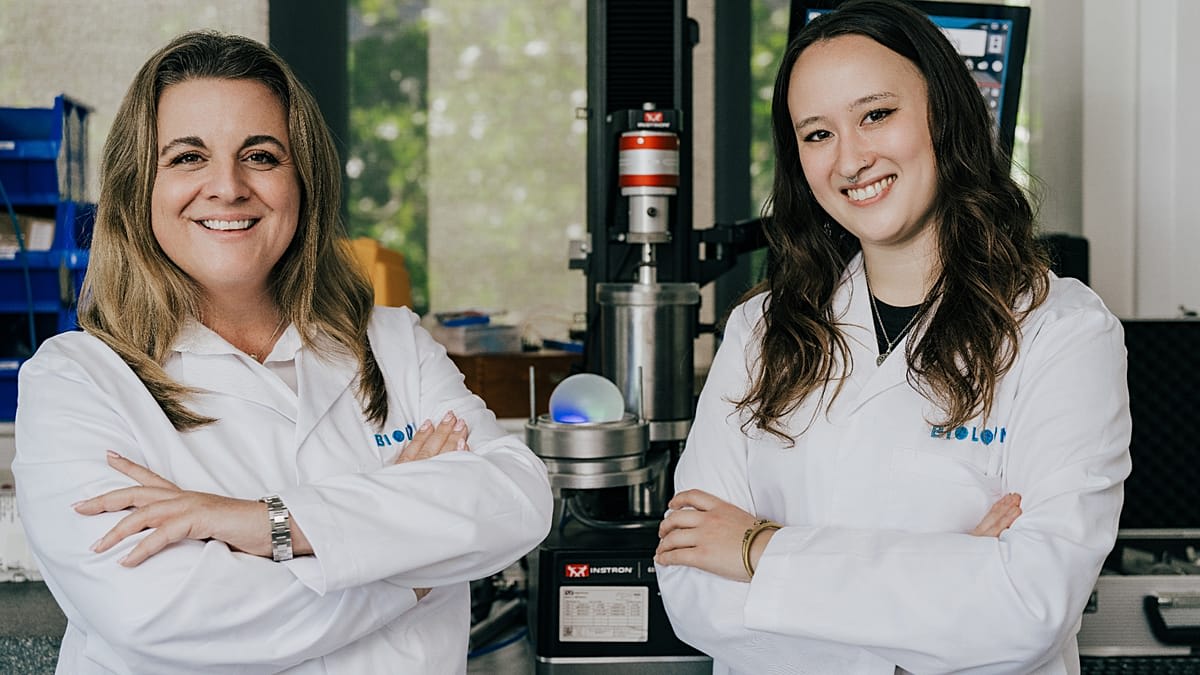
Max Pennington, Chip Miller, and David Dillman at Case Western Reserve University in Ohio noticed something fascinating about manta rays. These gentle giants feed by creating tiny whirlpools in their cone-shaped mouths that trap plankton while water flows through.
The trio wondered if the same principle could capture microplastics from washing machines. Traditional laundry filters kept clogging, making them frustrating and ineffective for everyday use.
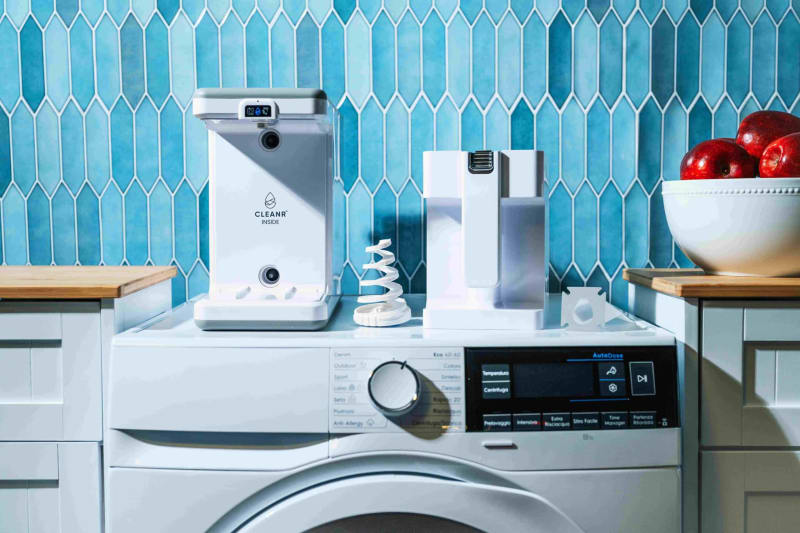
Their solution, called the Vortx filter, mimics those swirling eddies to trap microfibers in tiny vortices. The captured plastics funnel into a disposable pod that users can remove and replace. Testing showed it's 300% more effective than conventional filters.
Household laundry ranks as the number one source of microplastics polluting our oceans, according to recent studies. Every time we wash synthetic clothing, invisible fibers break free and travel through drain pipes into rivers and seas.
The three inventors launched a startup called Cleanr to bring their device to market. The filter sits on top of standard washing machines and currently sells for $359 in the United States.
The Ripple Effect
While the current price puts the device out of reach for many households, the invention is already making waves beyond individual sales. Six U.S. states including Pennsylvania, Oregon, and California are now discussing legislation to require microfiber filters in all new washing machines.
"Legislators are starting to realize that we really need to cut this off at the source," Pennington explained. His goal isn't just to sell filters but to spark systemic change that protects waterways before microplastics enter them.
The conversation around mandatory filters represents a shift from managing pollution to preventing it altogether. When washing machines come equipped with effective filtration from the factory, millions of households will automatically reduce their microplastic footprint without extra effort or expense.
Nature provided both the problem and the solution, reminding us that biomimicry offers powerful tools for environmental innovation.
Based on reporting by Positive News
This story was written by BrightWire based on verified news reports.
Spread the positivity!
Share this good news with someone who needs it