Many Older Adults Get Healthier with Age, Study Finds
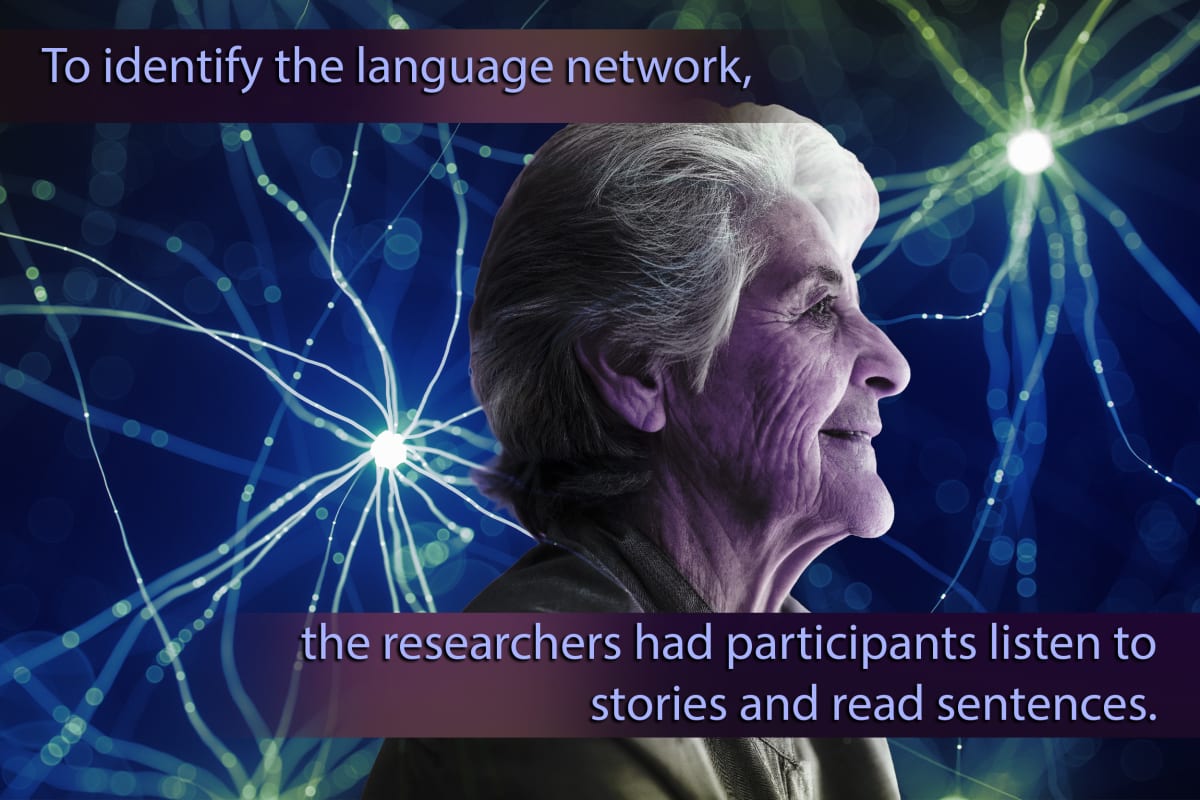
A groundbreaking 12-year study of 11,000 seniors reveals that 45% improved their physical and cognitive abilities over time. The secret? How they think about aging itself.
Getting older doesn't have to mean getting weaker, and science just proved it with hard data.
A new study published in Geriatrics tracked more than 11,000 adults aged 65 and up for 12 years. The results challenge everything we assume about aging: 45% of participants actually improved either their cognitive test scores or their walking speed, a critical measure of overall fitness.
What made the difference wasn't genetics or expensive treatments. It was mindset.
People who viewed aging positively were significantly more likely to show improvements in both mental sharpness and physical ability. Those who expected decline? They tended to experience it.
"Our findings suggest there is often a reserve capacity for improvement in later life," said study co-author Becca Levy, a professor at Yale University. She points out that many participants saw no decline in cognitive skills at all over the entire study period.
Here's what makes this especially exciting: age beliefs can be changed. That means the door is wide open for interventions that could help millions of people age better.
When researchers averaged everyone's scores together, they saw the typical age-related decline we all expect. But zoom in on individual stories, and that narrative falls apart. Improvement in later life isn't rare or exceptional—it's common.
The Bright Side
This research builds on Levy's previous work showing that views about aging predict real health outcomes. People with negative age beliefs face higher risks of memory problems, poor sleep, heart conditions, and even Alzheimer's biomarkers.
But the flip side is just as powerful. If negative beliefs can harm us, positive ones can protect and even improve our health. Our minds hold more influence over our biology than most of us realize.
The study included thousands of people across 12 years, making these findings remarkably solid. We're not talking about a small effect or wishful thinking—we're seeing measurable improvements in brain function and physical fitness.
"Many people equate aging with an inevitable and continuous loss of physical and cognitive abilities," Levy explained. "What we found is that improvement in later life should be included in our understanding of the aging process."
This research suggests we've been telling ourselves the wrong story about getting older, and changing that story could change millions of lives.
More Images



Based on reporting by Scientific American
This story was written by BrightWire based on verified news reports.
Spread the positivity!
Share this good news with someone who needs it