Māori Elders Document 75 Years of Forest Change in New Zealand
Indigenous knowledge-holders in New Zealand partnered with scientists to track dramatic shifts in forest fruiting patterns over 75 years, revealing how climate change ripples through entire ecosystems. Their work shows how traditional ecological wisdom can illuminate environmental changes that conventional science might miss.
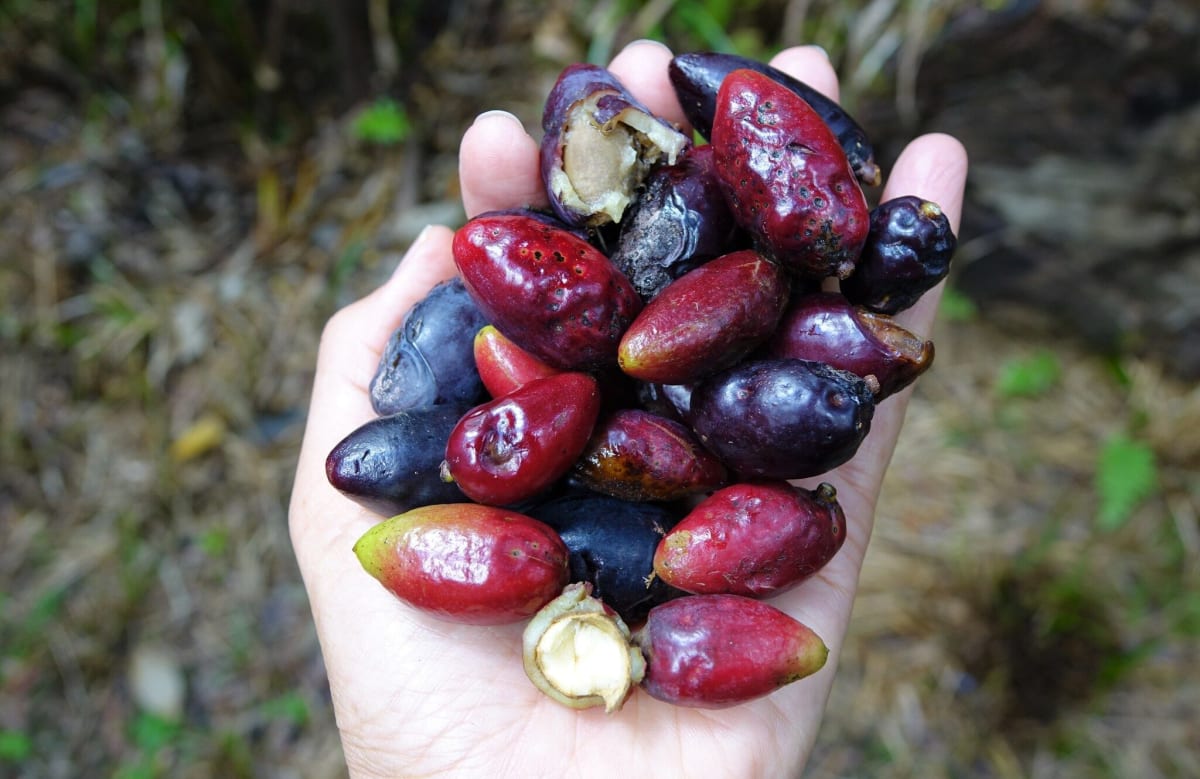
For generations, Māori elders in New Zealand's Te Urewera and Whirinaki forests could set their calendars by the trees. Summer meant forest floors so thick with purple tawa fruit that walking was treacherous, and birds grew so fat on berries they could barely fly.
Those predictable rhythms have started to falter, and now Indigenous knowledge-holders are teaming up with researchers to document exactly what's changing. Over 14 years, they interviewed 39 forest practitioners, most over 60, capturing 75 years of observations about how their home forests are shifting.
The elders noticed what the data confirmed: longer, hotter summers, fewer frosts, and more frequent storms since the 1990s. Trees that once dropped fruit like clockwork now produce smaller, shriveled yields at unpredictable times.
"Some of the trees in the forest no longer know if it is winter or summer," one practitioner explained.
But here's where traditional knowledge reveals something remarkable. The elders didn't just track fruiting patterns in isolation. They understood how those changes cascade through entire food webs, affecting soil microbes, earthworms, native pigeons, wild pigs, and ultimately, people.
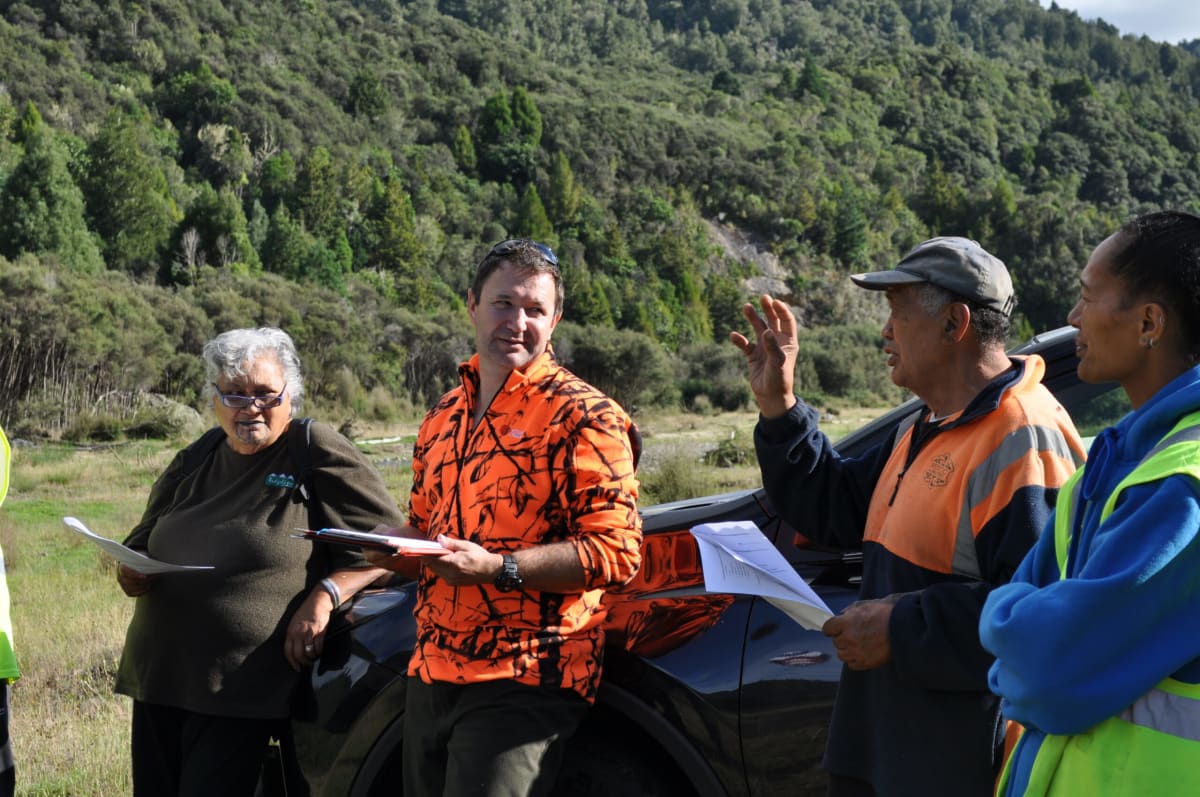
The research team, led by Puke Tīmoti of the Tūhoe people, conducted interviews in te reo Māori language, often walking deep into the forest. At one point, Tīmoti rode a horse five hours to reach an elder in a remote mountaintop settlement.
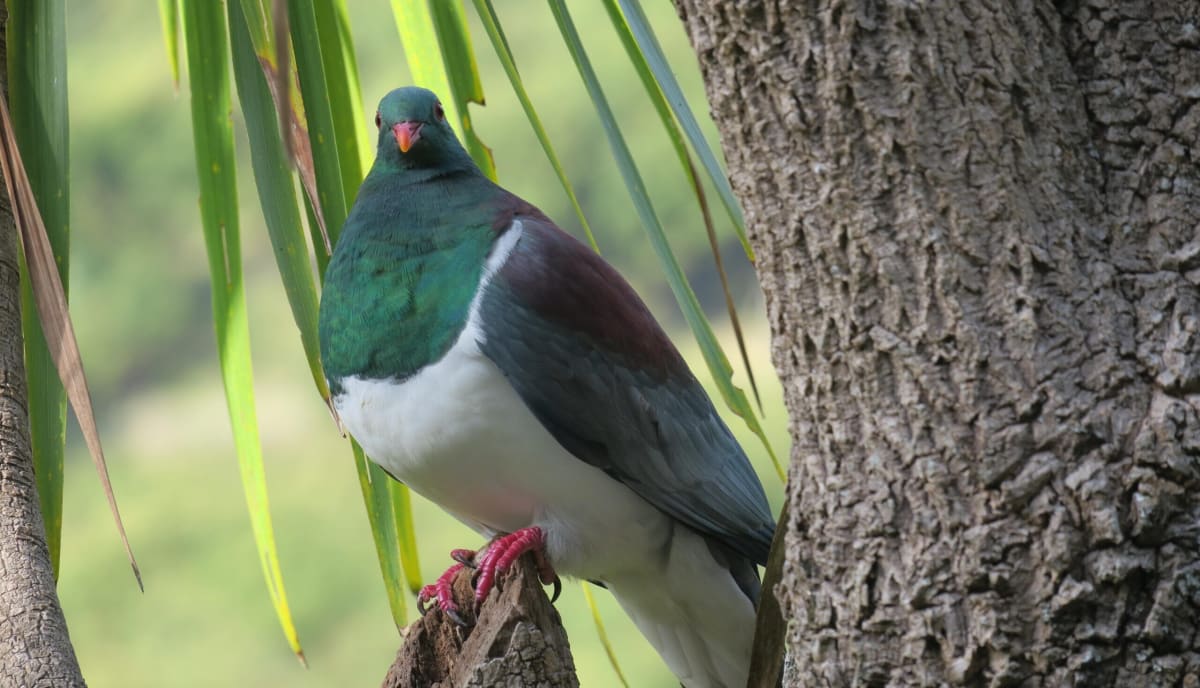
What they documented was profound. Those heavy fruit falls once delivered nitrogen to the forest floor at rates 10 to 100 times higher than normal. Without them, soil health declines, plants grow less vigorously, and culturally important species like the kererū pigeon become scarcer.
The Ripple Effect
This collaboration between Indigenous knowledge and Western science is creating a more complete picture of climate impacts. The elders preserved te reo words for phenomena that are now disappearing, like "papahoro," describing when fruit carpets the ground so thickly you can't see soil, or "kōuriuri," when kahikatea canopy glows intense orange-red with translucent berries.
By validating traditional observations with climate data, the research team demonstrated that Indigenous monitoring systems can track environmental change as precisely as any scientific instrument. Their knowledge comes from lifetimes spent reading landscapes, noticing patterns that unfold across decades.
The work offers hope for climate research worldwide. Indigenous communities around the globe hold similar deep knowledge about their environments, built over countless generations of careful observation.
"The forest itself has signaled change, and people who have watched these landscapes for generations are noticing the rhythms of the seasons are shifting," Tīmoti said.
Their research proves that protecting traditional knowledge isn't just about preserving culture; it's about understanding our changing planet with the wisdom of those who know it best.
More Images


Based on reporting by Mongabay
This story was written by BrightWire based on verified news reports.
Spread the positivity!
Share this good news with someone who needs it