Marine Biologist Captures Ocean's Magical 'Flashback' Light
After 50 years of deep-sea diving, pioneering scientist Edie Widder finally captured stunning footage of flashback, a phenomenon where thousands of ocean creatures light up simultaneously in the deep sea. Her breakthrough reveals the hidden abundance of life in waters that appear empty to the human eye.
📺 Watch the full story above
Imagine descending into pitch-black ocean depths, flashing a light, and watching the darkness explode into an ephemeral snowstorm of glowing life.
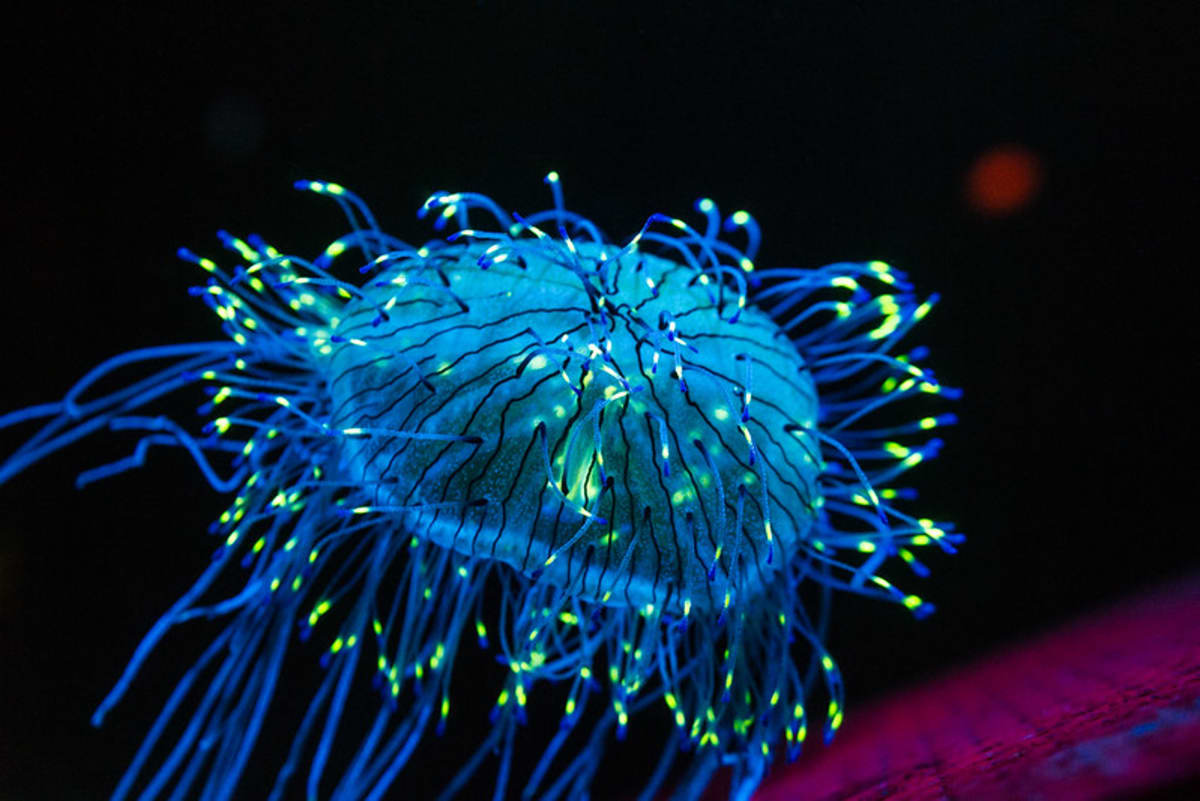
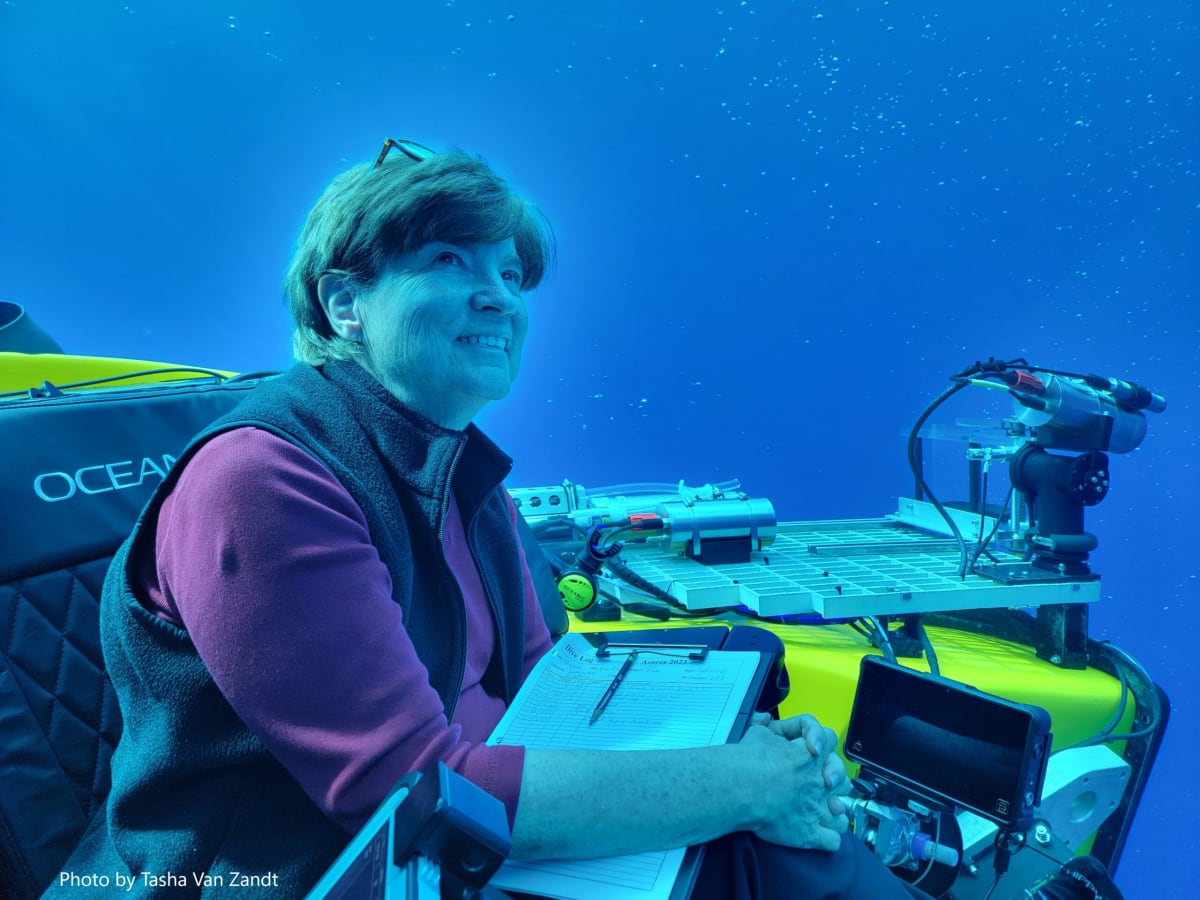
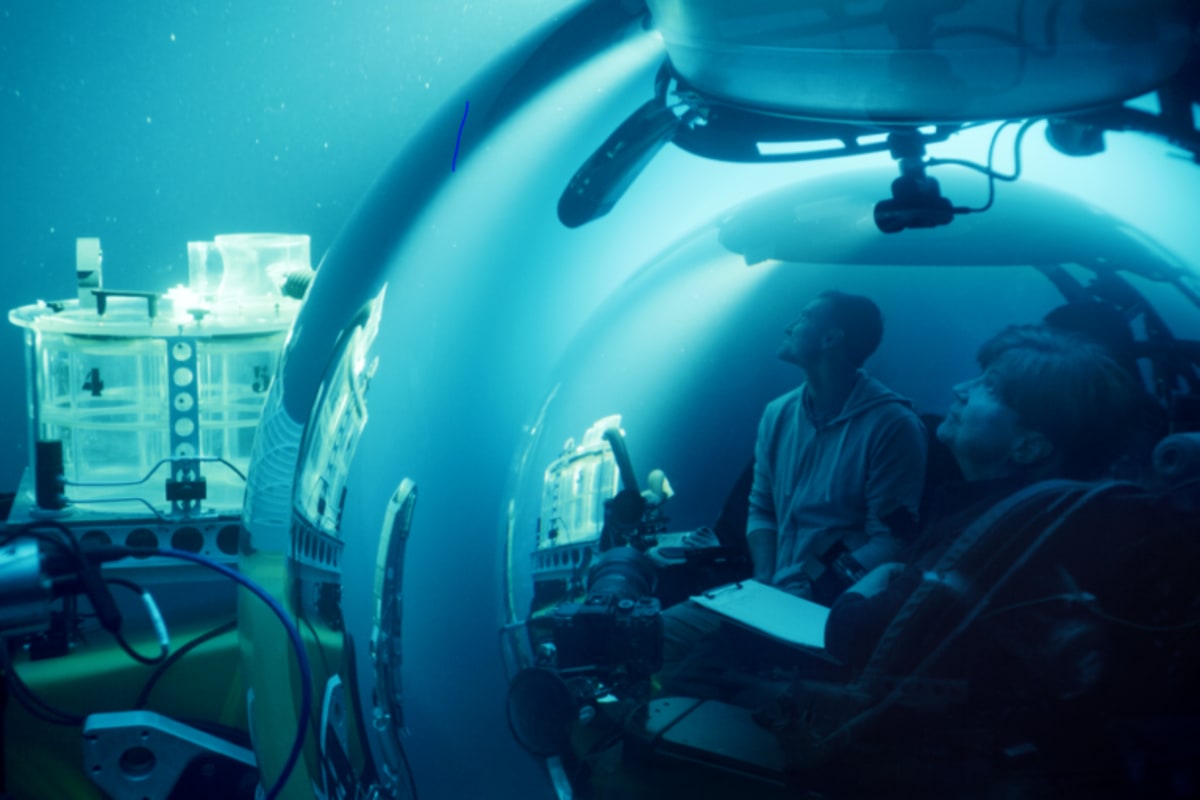
That's exactly what marine biologist Edie Widder captured on camera for the first time in high-quality footage during a 2023 expedition off the Azores. The phenomenon, called "flashback," happens when countless organisms from microscopic bacteria to larger creatures simultaneously light up in response to a flash of light.
"To me it's a very big deal," said Widder, who founded the Ocean Research and Conservation Association in Florida. "With the lights on it looks empty. But life is packed into every cubic meter even in the remote sunless depths that on first look appear lifeless."
Widder's 50-year career has been filled with firsts that changed how we understand ocean life. In the 1980s, she lifted weights for a year just to wear the heavy diving suit needed for her first solo submersible dive. The equipment was designed by men, for men, but that didn't stop her.
She invented the SPLAT screen to measure bioluminescence and later created an underwater camera system that used red light invisible to deep-sea creatures. Her most clever invention was an "electronic jellyfish" that mimicked distress signals to attract predators without scaring them away with bright lights.
That device paid off spectacularly. On its first deployment, a six-foot squid swooped in for an attack, captured on camera for the first time. In 2012, her upgraded system helped capture the first-ever video of a giant squid in its natural habitat, one of the ocean's most elusive creatures.
Her temporary blindness as an undergraduate, caused by a botched surgery, sparked what she calls her "obsession" with light. That setback became the foundation for discoveries that illuminated an entire world humans rarely see.
The Ripple Effect
Widder's work extends far beyond capturing beautiful footage. Her innovations changed how scientists study the deep sea, shifting from dragging creatures up in nets to observing them in their natural habitats. This approach reveals behaviors and ecosystems that were completely unknown when we only studied dead specimens.
The new documentary "A Life Illuminated" showcases her journey and premieres at the D.C. Environmental Film Festival on March 19. Director Tasha Van Zandt's film has been captivating audiences since its world premiere at the Toronto International Film Festival last September.
The flashback footage reveals something profound about our planet. Below 200 meters, in what experts call Earth's largest habitat, most creatures can produce their own light. This stands in stark contrast to land, where only rare animals like fireflies glow.
Each of Widder's inventions opened a new window into the deep ocean, proving that what looks like an empty void is actually teeming with extraordinary life, just waiting for someone clever enough to see it.
More Images


Based on reporting by Mongabay
This story was written by BrightWire based on verified news reports.
Spread the positivity!
Share this good news with someone who needs it