Marine Biologist's 50-Year Legacy Maps Ocean Biodiversity
Kent Carpenter spent five decades documenting Philippine marine life and discovered the world's richest concentration of reef fish species. His work shaped global conservation efforts and inspired countless students to protect our oceans.
A young Peace Corps volunteer arrived in the Philippines in the 1970s and found paradise. Large groupers the size of Volkswagen Beetles swam past him every 50 feet, surrounded by snappers, turtles, and corals in colors he'd never imagined.
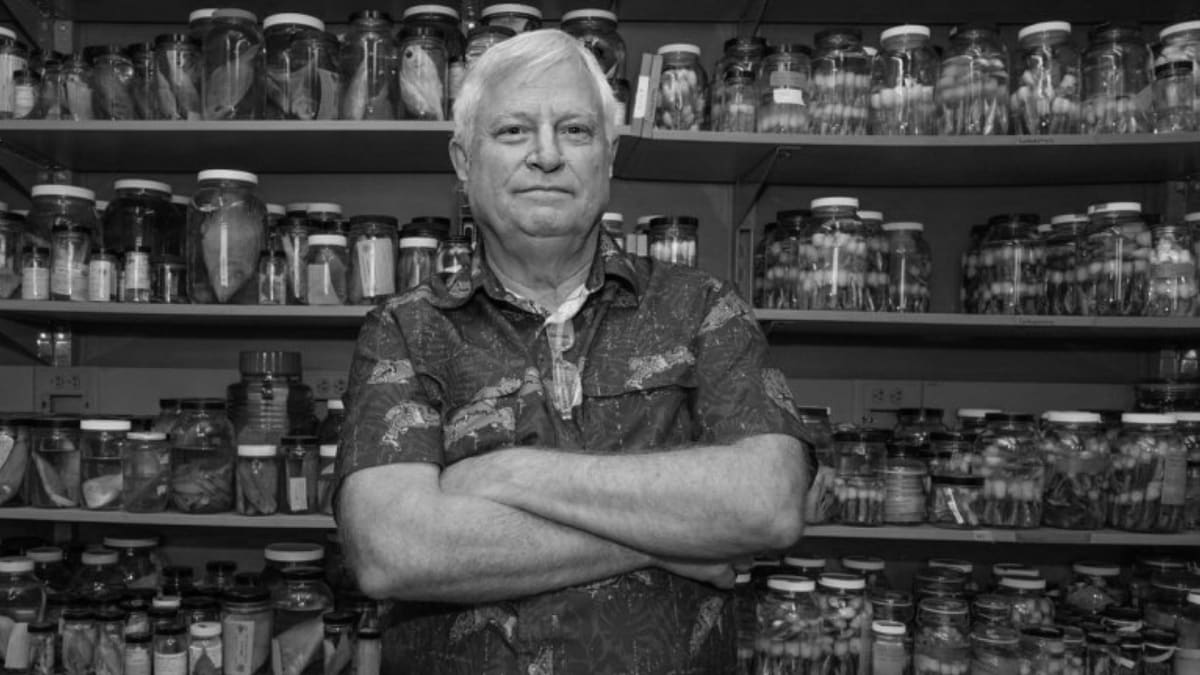
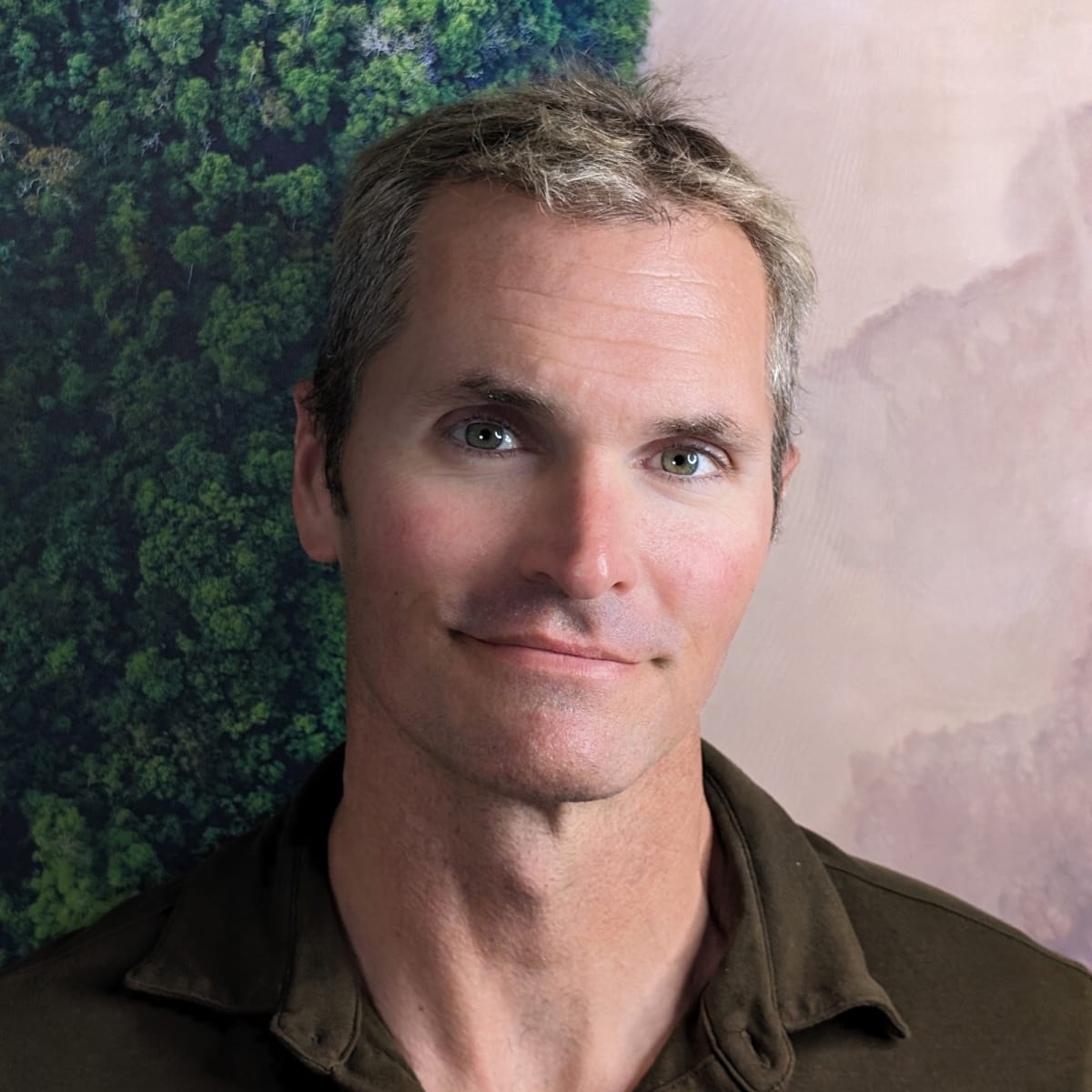
Kent Carpenter was 22 when he took that first dive. He would spend the next 50 years studying those reefs, creating a scientific legacy that changed how we understand and protect ocean life.
His biggest discovery came from patient detective work. Carpenter and colleague Victor Springer mapped the ranges of 2,983 marine species across the Indo-Pacific region, expecting to confirm what scientists already believed about where fish diversity peaked.
Instead, the data pointed to a different answer. The central Philippines, especially the Verde Island Passage between Luzon and Mindoro, held the highest concentration of marine shore fish species on Earth. "I fell off my chair—literally—when I saw that," Carpenter said.
He called it the "Center of the Center" of marine biodiversity. That phrase became a rallying cry for conservationists working to protect the narrow passage from shipping traffic, coastal development, and overfishing.
Carpenter combined old school taxonomy with cutting edge genetics. He'd examine a fish's shape, color, and fin structure, then use DNA analysis to confirm identities and reveal hidden differences within populations. When he compared modern Philippine fish tissue with samples collected in 1908, he found troubling signs that a century of fishing pressure had reduced genetic diversity.
His work reached beyond academia. He helped the UN Food and Agriculture Organization create guides for identifying marine resources and managed assessments of 20,000 species for the International Union for Conservation of Nature. He even testified in the South China Sea arbitration case, providing evidence about reef destruction.
Why This Inspires
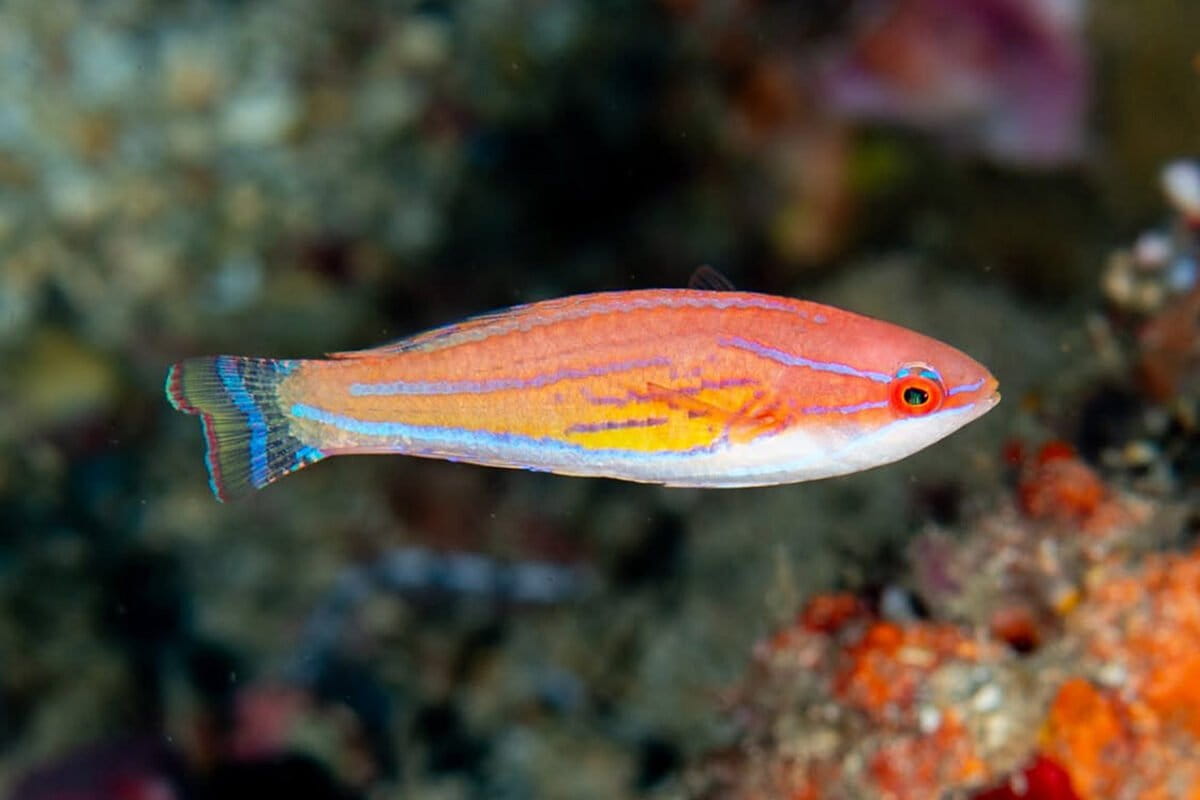
Two fish species now bear Carpenter's name, including the flashy Carpenter's flasher wrasse. But his real legacy lives in the students he mentored and the conservation policies his research shaped.
At 73, he was still teaching across time zones during a fellowship in Vietnam, still diving Philippine reefs, still discovering. He received Virginia's Outstanding Faculty Award in 2020 and credited his students for inspiring him.
Carpenter died on July 12th at his home in Negros Oriental. Police are investigating the circumstances. His decades of meticulous work created a roadmap for protecting the ocean's most biodiverse waters, ensuring that future generations might still see what he saw on those early dives.
The reefs he loved have changed dramatically since the 1970s, but because of his work, we know exactly what we stand to lose and where to focus our efforts to save it.
More Images

Based on reporting by Mongabay
This story was written by BrightWire based on verified news reports.
Spread the positivity!
Share this good news with someone who needs it