Marine Biologists Launch GoFundMe to Save 380 Remaining Whales
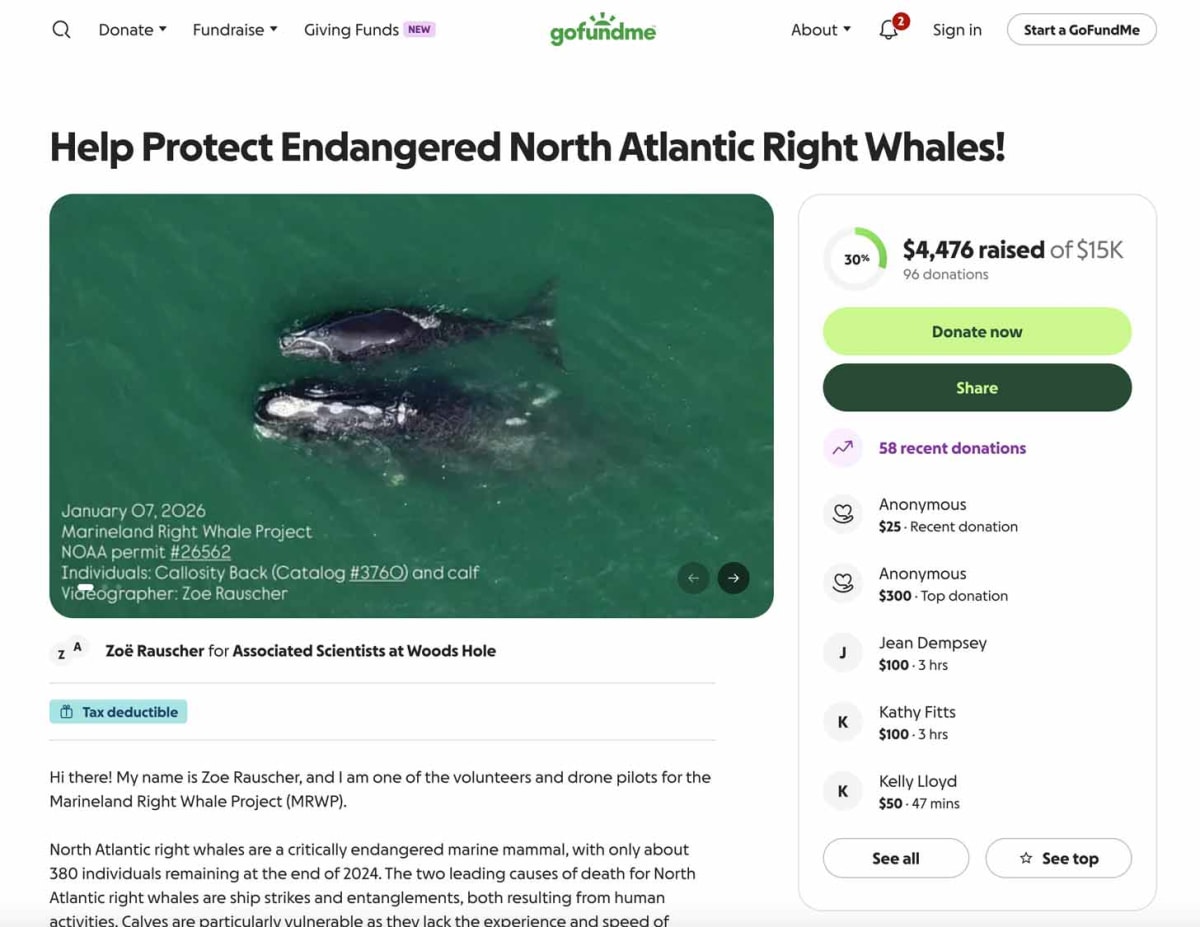
When federal research cuts threatened their work, a team of whale scientists in Massachusetts did something unprecedented: they started a GoFundMe. Their mission is protecting the last 380 North Atlantic right whales on Earth.
A team of marine biologists protecting one of the world's most endangered whales just launched a crowdfunding campaign to keep their life-saving work alive.
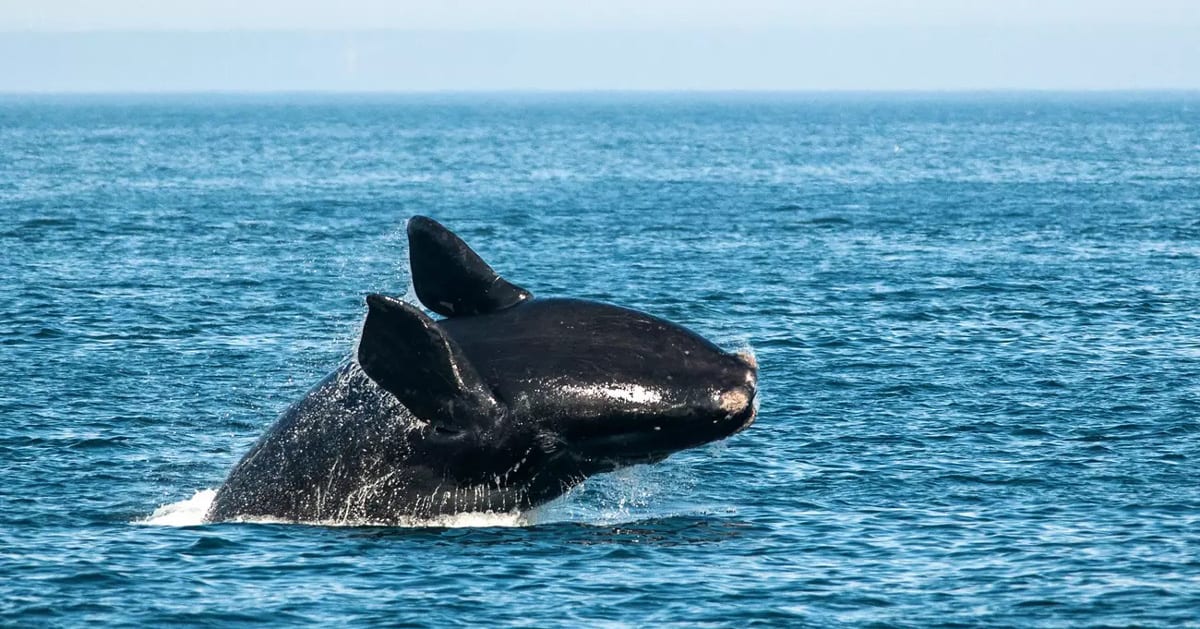
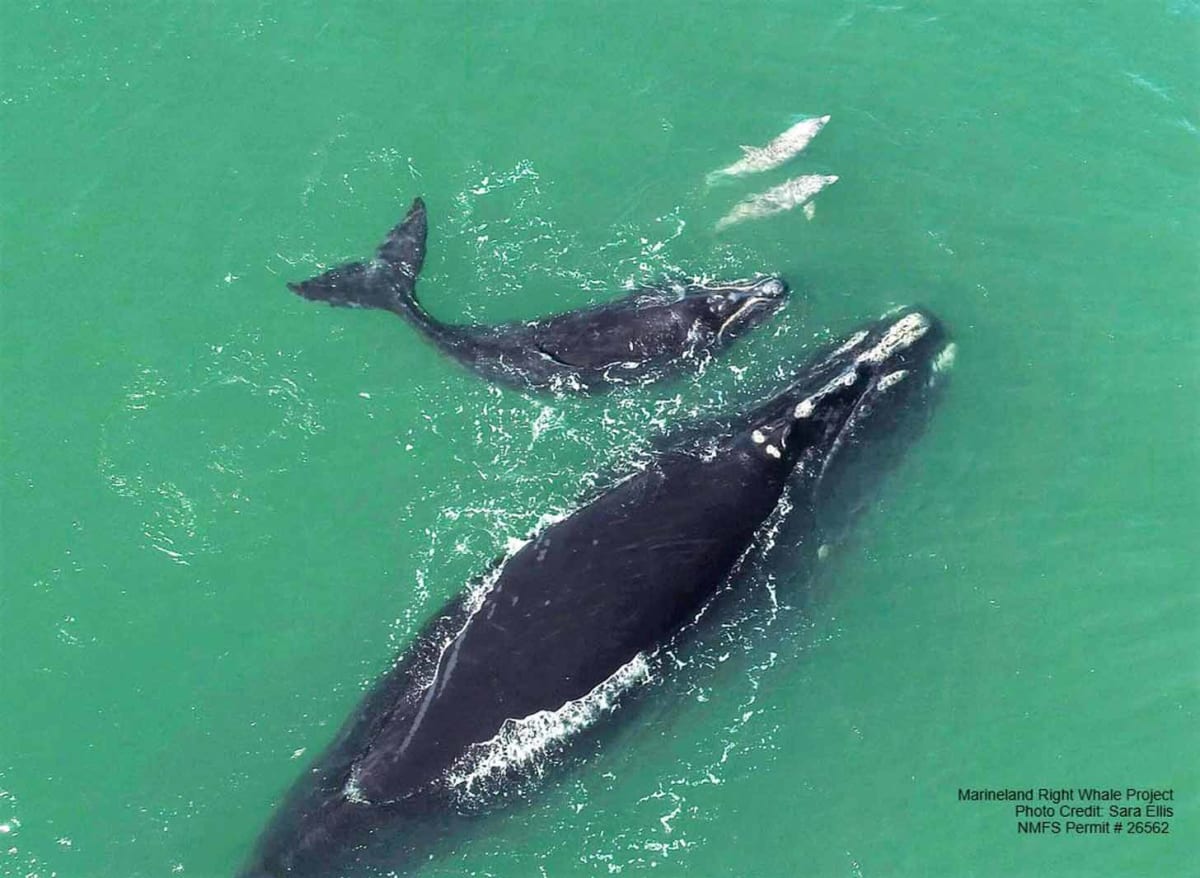
The Marineland Right Whale Project in Massachusetts started a GoFundMe last week seeking $15,000 to continue monitoring North Atlantic right whales. Only about 380 of these majestic creatures remain on Earth, with just 70 reproductively active females tracked by scientists.
Zoe Rauscher, a volunteer and drone pilot for the project, launched the fundraiser as federal research grants become harder to secure. The team is part of Associated Scientists at Woods Hole, a nonprofit supporting marine research in the Cape Cod area.
Their work goes far beyond counting whales. Every day, volunteers survey the ocean to locate right whales and track their wellbeing. When they spot a whale, they immediately photograph it and alert the Florida Fish and Wildlife Conservation Commission.
That triggers the Early Warning System, which sends alerts to commercial and federal ships. Those vessels must slow down or change course to avoid the whales, protecting vulnerable mothers and calves during their annual migration from New England to northeastern Florida.
This real-time protection system directly increases whale survival rates. Since mothers and calves often swim within a quarter mile of shore, vessel strikes pose one of the biggest threats to the species.
North Atlantic right whales were nearly hunted to extinction in the 1800s. Even though hunting became illegal in 1935, the population has struggled to recover due to climate change and continued vessel strikes.
This past season brought sobering news: only 11 calves were born in 2025. The species was declared critically endangered in 2020.
The Ripple Effect
The Marineland Right Whale Project started in 2001 with a handful of dedicated scientists. Today, over 250 volunteers contribute to protecting these whales across two coastlines.
Their citizen science network spans from Cape Cod to northeastern Florida, where right whales migrate each December through March to give birth. Local volunteers use drones, high-resolution cameras with telescopic lenses, and marine binoculars to spot and document every whale they can find.
As of publication, the GoFundMe has raised over $4,400. Donations support essential equipment, research costs, and the administrative work that keeps the early warning system running.
Anyone who spots a right whale can also help by calling the Right Whale Hotline at 1-888-97-WHALE. Every sighting reported gives these 380 remaining whales a better chance at survival.
When government funding falls short, this team proved that communities can step up to protect the creatures who share our oceans.
More Images

Based on reporting by Good Good Good
This story was written by BrightWire based on verified news reports.
Spread the positivity!
Share this good news with someone who needs it