Marine Scientists Launch GoFundMe to Save Right Whales
A Massachusetts team fighting to protect critically endangered North Atlantic right whales turned to GoFundMe after federal research funding cuts threatened their work. With only 380 whales left, volunteers are raising money to continue life-saving ocean surveys.
When federal research grants became too uncertain, marine biologists did something they never imagined: they started a GoFundMe to save a species from extinction.
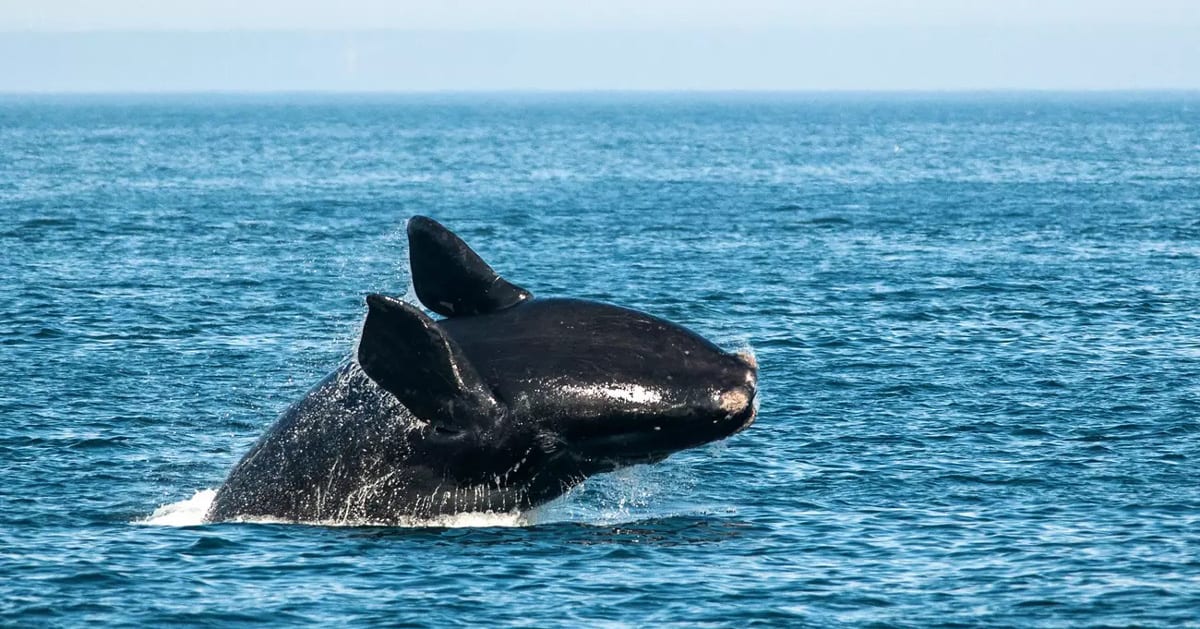
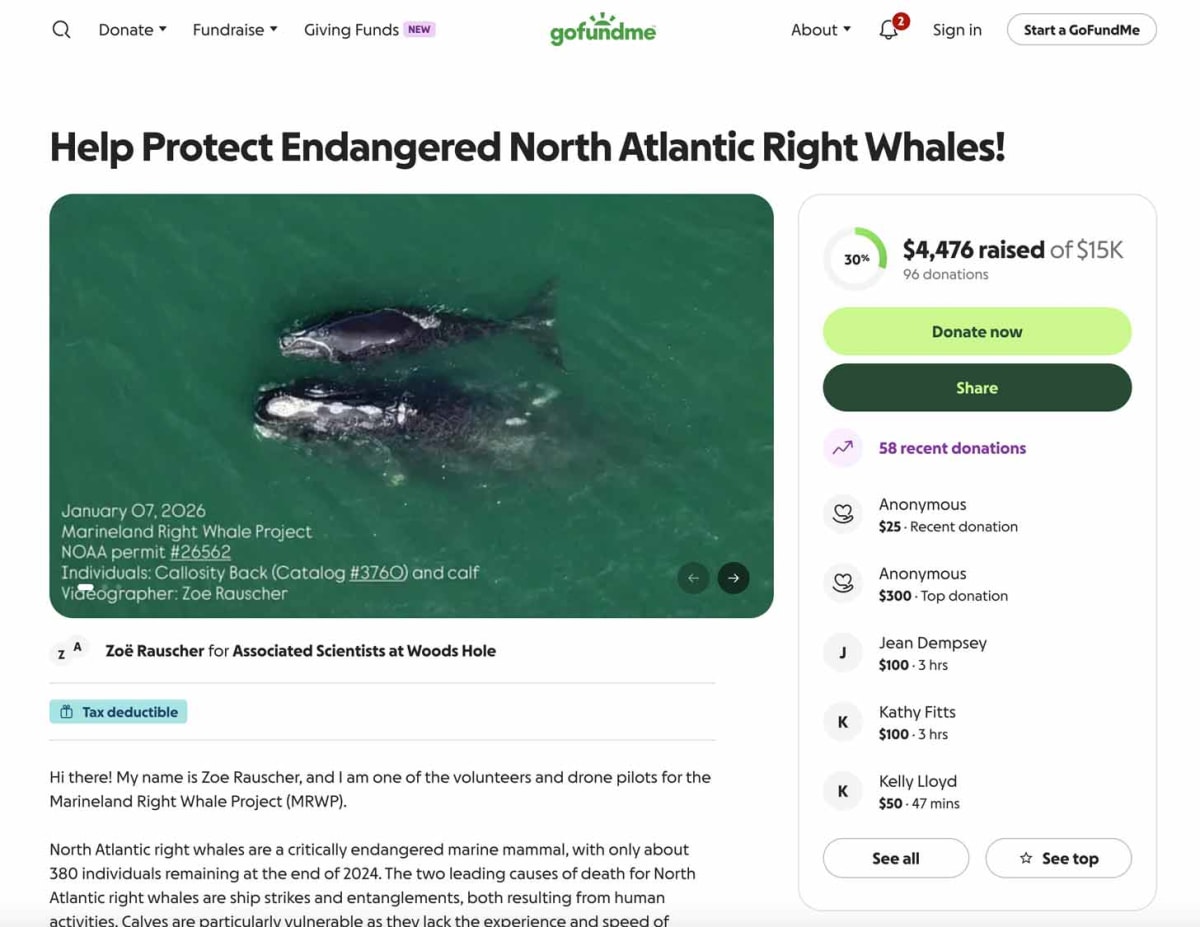
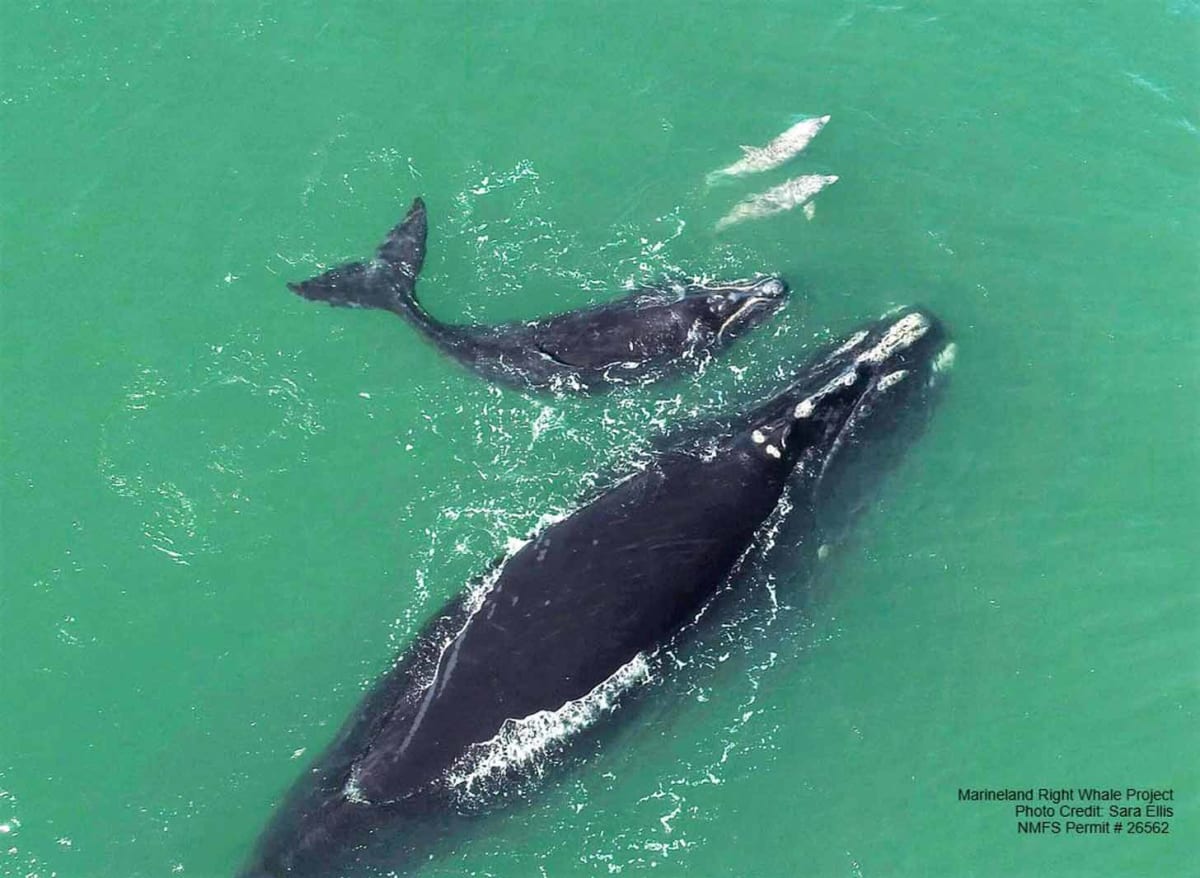
The Marineland Right Whale Project in Massachusetts launched a fundraiser last week to raise $15,000 for their conservation work protecting North Atlantic right whales. Only about 380 of these massive creatures remain on Earth, with just 70 reproductively active females tracked by scientists.
Zoe Rauscher, a volunteer and drone pilot for the project, created the campaign after proposed federal budget cuts threatened to derail their critical mission. The cuts include a 55% reduction to the National Science Foundation and elimination of several climate and environmental programs.
The work these volunteers do directly saves whale lives. Every day, teams survey the ocean to locate right whales and track their wellbeing. When they spot one, they immediately notify the Florida Fish and Wildlife Conservation Commission, which alerts nearby ships to slow down or change course.
Those vessel strikes are one of the biggest threats to right whales, along with climate change. The species was nearly hunted to extinction in the 1800s and has struggled to recover despite hunting bans since 1935. This year, only 11 calves were born.
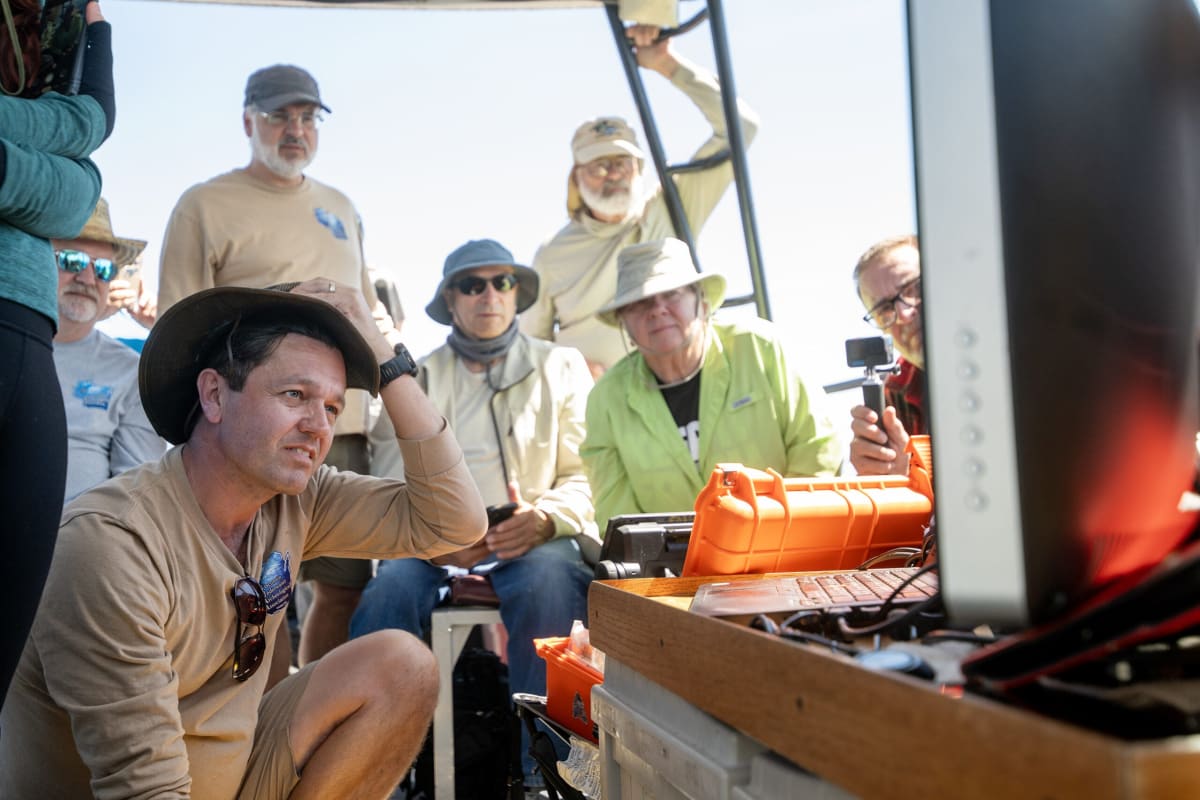
The Marineland Right Whale Project began in 2001 with a simple mission: protect vulnerable mothers and calves during their annual migration from New England to northeastern Florida's warm waters. Now over 250 volunteers use drones, high-resolution cameras, and marine binoculars to monitor the whales from December through March.
Since these whales can't be chipped or digitally tracked, human eyes remain the best early warning system. Volunteers often spot right whales within a quarter mile of Florida beaches, where mothers nurse their newborn calves before the long journey north.
The Ripple Effect: This grassroots fundraising approach shows how everyday people can step in when traditional funding fails. The campaign has already raised over $4,400, proving that communities care deeply about saving species on the brink. Local citizens can also help by calling the Right Whale Hotline at 1-888-97-WHALE if they spot one of these magnificent creatures.
Every dollar raised supports the specialized equipment, research, and daily surveys that give right whale mothers and their babies a fighting chance at survival.
More Images

Based on reporting by Google: species saved endangered
This story was written by BrightWire based on verified news reports.
Spread the positivity!
Share this good news with someone who needs it