Marine Survives Osprey Crash With Never-Before-Tried Treatment
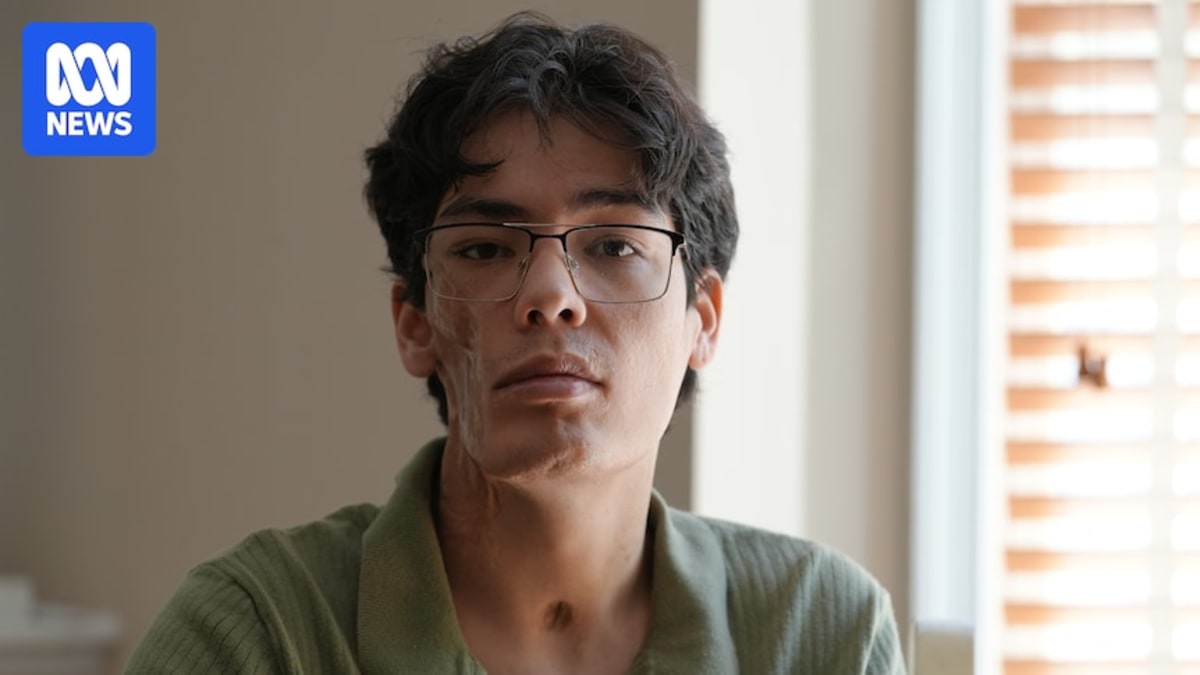
Travis Reyes walked away from a fiery crash that killed three Marines, only to face a deadly fungal infection doctors had never beaten before. An Australian medical team's "crazy idea" saved his life using a treatment combination never attempted in medical history.
When Travis Reyes woke up two months after his Osprey crashed in the Australian bush, he had no idea that doctors had just rewritten the medical textbook to save his life.
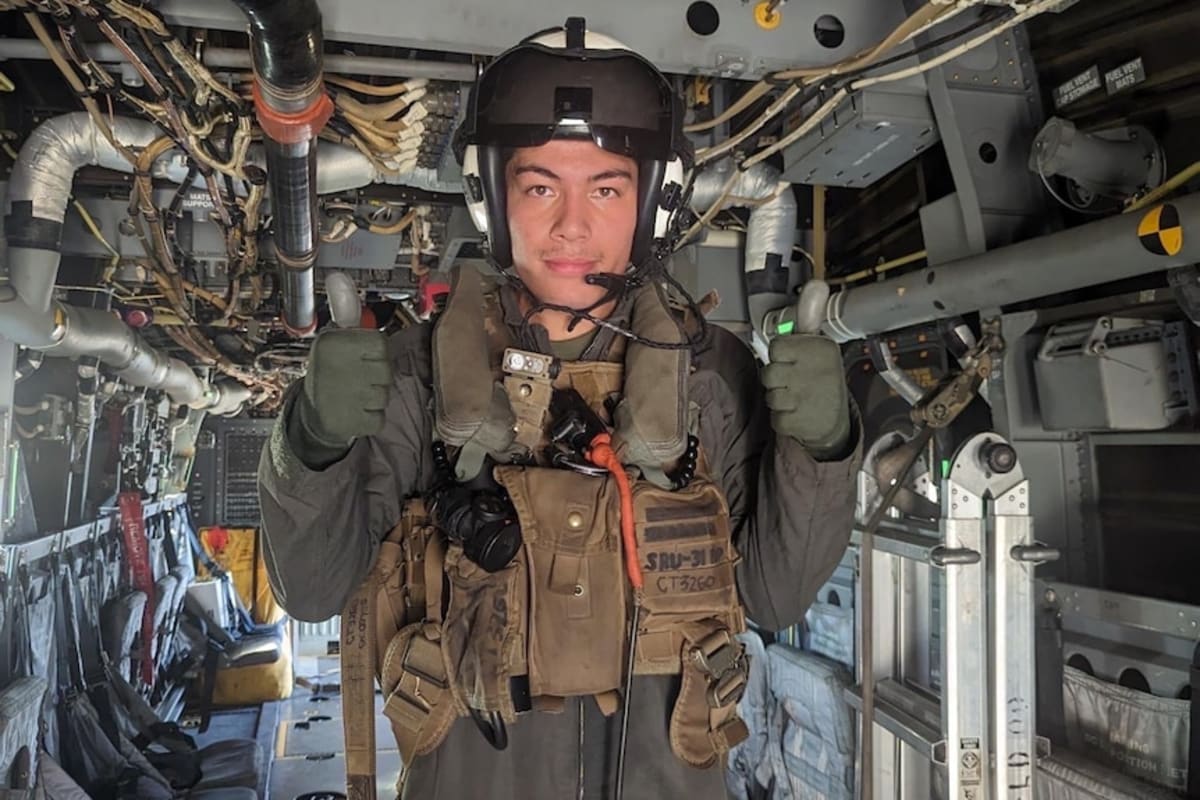
The 20-year-old Marine corporal was working in the cargo hold during a training exercise near Darwin in August 2023 when his aircraft went down on Melville Island. Three crew members died. Travis survived, but his fight was just beginning.
Emergency physician Dr. David McCreary arrived by helicopter expecting no survivors. Instead, he found 20 Marines alive, including Travis lying on the ground with catastrophic injuries. When Travis's heart stopped at the crash site, Dr. McCreary made incisions in both sides of his chest. His heart started almost immediately.
Airlifted to Royal Darwin Hospital, Travis had his left lung and spleen removed. Doctors placed him on an ECMO machine, which pumps and oxygenates blood when the body can't. He was then flown to The Alfred Hospital in Melbourne, unconscious through it all.
Then came the infection that nearly ended everything. A tropical fungus called Mucor spread through the bone in Travis's face and down his neck toward major blood vessels supplying his brain. After multiple surgeries failed to stop it, specialists delivered devastating news to his wife Jasmine and his parents.
"All of his specialists said this is not survivable anymore," recalled Dr. Bridget Devaney, a hyperbaric specialist at The Alfred. Surgeons considered removing Travis's face for a transplant. His family said no.
Dr. Devaney had a radical idea. Hyperbaric chambers adjust oxygen and atmospheric pressure to help cells heal. She knew it could fight the infection, but no one on an ECMO machine had ever been treated in a hyperbaric chamber. The combination had never been attempted anywhere in the world.
Why This Inspires
The medical team at The Alfred didn't accept the impossible. They spent weeks planning, calculating risks, and preparing for every scenario. When they finally placed Travis in the hyperbaric chamber while still connected to his ECMO machine, they were attempting something that had no precedent, no playbook, no guarantee.
It worked. The infection stopped spreading. Travis stabilized enough to be transported to a US military hospital in Texas, where he continued his recovery.
Today, Travis savors coffee on the deck with Jasmine at their Maryland home. He walks in nearby woods. He's alive because an Australian medical team refused to give up, even when every specialist said survival wasn't possible.
"I think most of it is stubbornness," Travis says. "A little too stubborn to die." But his doctors know better. It was innovation, collaboration, and the willingness to try what had never been done that brought him home.
More Images


Based on reporting by ABC Australia
This story was written by BrightWire based on verified news reports.
Spread the positivity!
Share this good news with someone who needs it