Marriage Linked to Lower Cancer Risk in 100M Study
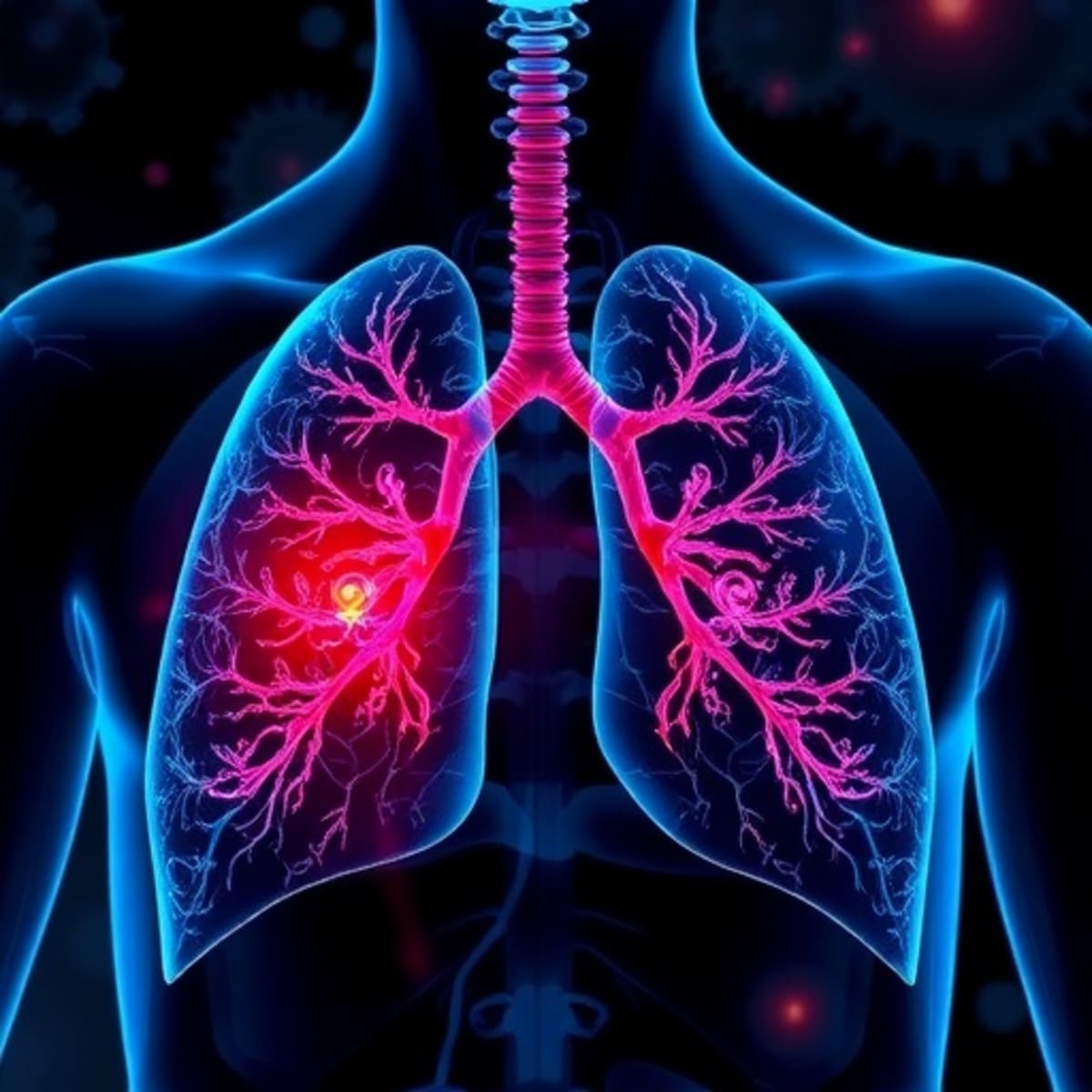
People who never married face up to 85% higher cancer rates, according to a massive new study of over 100 million Americans. The findings highlight how social connections may be just as important as traditional health screenings.
A groundbreaking study analyzing data from over 100 million Americans has found that people who never married face significantly higher cancer rates, suggesting that social support might be a powerful but overlooked factor in cancer prevention.
Researchers at the University of Miami examined cancer data from more than 4 million cases diagnosed between 2015 and 2022. They discovered that men who never married had 68% higher cancer incidence, while women who never married faced an 85% higher risk.
The connection was particularly striking for certain cancers. Men who never married had nearly five times the rate of anal cancer compared to married men. Women who never married faced almost triple the rate of cervical cancer.
The link grew stronger with age, especially for people 55 and older. This suggests that the protective benefits of close relationships accumulate over a lifetime.
Before anyone rushes to the altar, researchers were quick to clarify what these findings actually mean. "It means that, if you're not married, you should be paying extra attention to cancer risk factors, getting any screenings you may need, and staying up to date on health care," said co-author Frank Penedo.
Marriage itself isn't a magic shield against cancer. Instead, the benefits likely come from what often accompanies committed partnerships: increased social support, healthier behaviors like reduced smoking and drinking, and greater economic stability that makes regular healthcare more accessible.
For cancers linked to HPV infection, like cervical and anal cancer, differences may also reflect variation in exposure patterns. Previous research has shown married patients tend to be diagnosed earlier and experience higher survival rates, often because partners encourage screening and help navigate treatment.
Why This Inspires
This research reframes how we think about cancer prevention. While genetics and lifestyle choices matter tremendously, having someone who cares about your wellbeing may be just as vital.
The study opens doors for public health interventions that don't just focus on individuals, but on strengthening social connections for everyone. Whether through marriage, close friendships, or community support networks, the message is clear: we're healthier when we're not alone.
For the millions of unmarried adults, this isn't cause for alarm but for action. Building strong social networks, staying connected with friends and family, and being proactive about healthcare can provide similar protective benefits.
The findings remind us that fighting cancer isn't just about what happens in the doctor's office, but about the relationships and support systems we build every day.
More Images


Based on reporting by Euronews
This story was written by BrightWire based on verified news reports.
Spread the positivity!
Share this good news with someone who needs it