Mars Had Complex Magma Systems Without Plate Tectonics
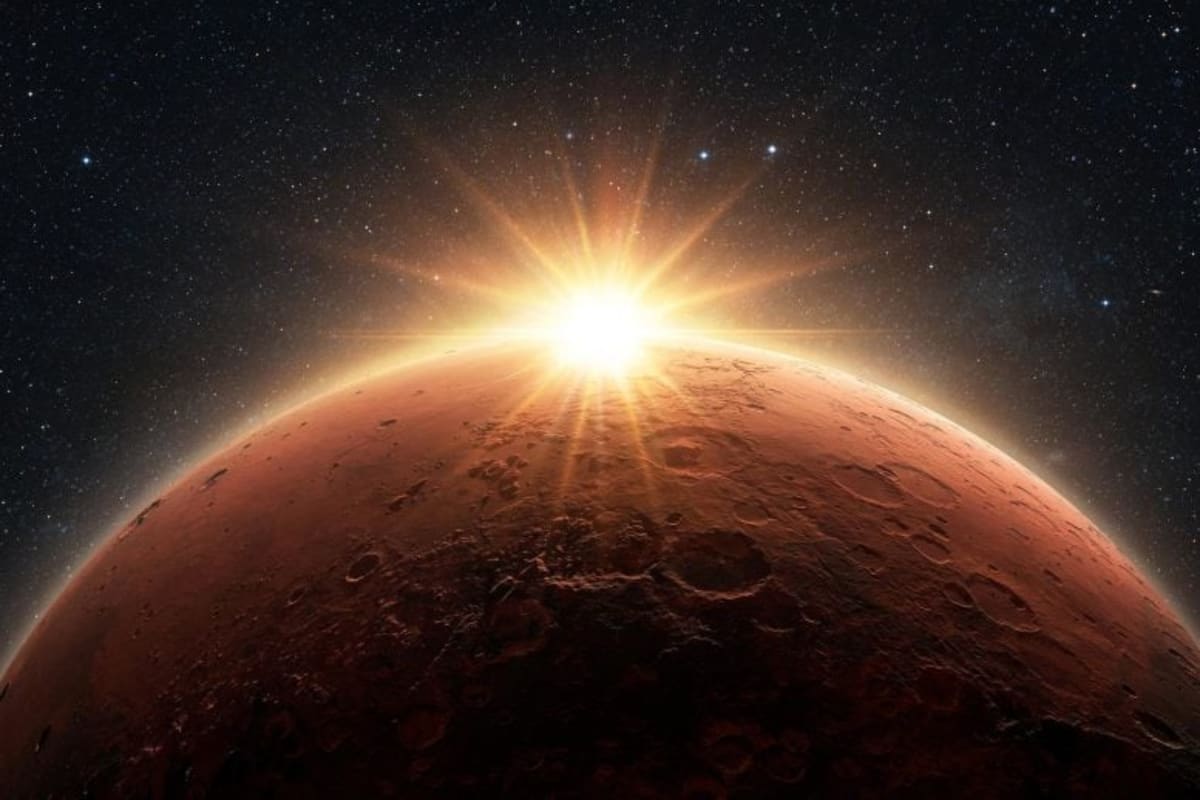
Scientists discovered Mars built a surprisingly complex crust through vast underground magma systems, upending assumptions that plate tectonics are necessary for geological sophistication. The finding suggests more planets in our universe might support life than previously thought.
Mars just revealed a secret that could change how we search for life beyond Earth.
Oxford University researchers analyzing seismic data from NASA's InSight mission discovered evidence of enormous, interconnected magma systems deep beneath the Martian surface. These systems once recycled molten rock throughout the planet's crust, creating geological complexity scientists thought impossible without Earth-style plate tectonics.
The breakthrough came from studying an unexplained boundary 24 kilometers below Mars' surface. Using seismic waves from meteoroid impacts and marsquakes, researchers determined this boundary separates two distinct rock types that tell a remarkable story.
Below the boundary sits ultramafic rock, rich in iron and magnesium. Above it lies mafic rock with higher silica content. This layering suggests that molten rock once accumulated deep underground and separated into components, with dense crystals sinking while lighter melts rose upward.
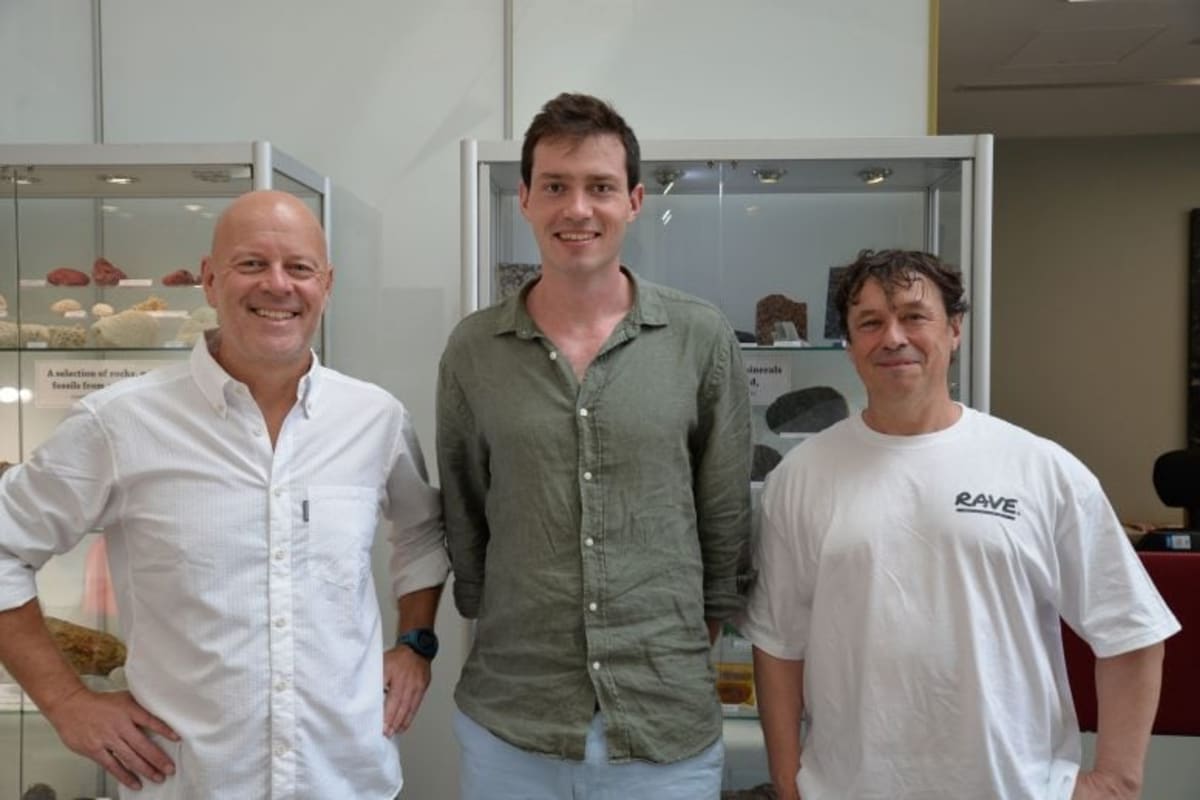
Dr. Tobermory Mackay-Champion led the discovery. "We've traditionally assumed that volcanism on Mars was relatively simple compared to that on Earth," he explained. "But this discovery suggests Mars could sustain large, long-lived systems where molten rock evolved and reprocessed itself throughout the entire crust."
The buried layer may stretch for thousands of kilometers across Mars' northern hemisphere. If confirmed, Mars once contained planet-wide magmatic systems rather than isolated volcanoes, a process called transcrustal magmatism previously considered unique to Earth.
The Ripple Effect
This discovery matters far beyond Mars. On Earth, geological recycling helps regulate climate and supports the long-term movement of water and other elements crucial for life. Scientists long believed plate tectonics were essential for these processes.
Mars proves otherwise. The Red Planet developed complex crustal systems and potentially habitable geological conditions without moving tectonic plates.
Professor Jon Wade from Oxford's Department of Earth Sciences captured the implications perfectly. "If Mars could develop this kind of complex crust without plate tectonics, then maybe the conditions needed for habitability can emerge on more planets than we realized, including those previously dismissed based on size or their apparent lack of tectonic activity."
The findings build on four years of unprecedented seismic data from NASA's InSight mission, which placed the first seismometer on Mars in 2018. That single instrument gave humanity its first look inside another planet and revealed possibilities we never imagined.
The universe just got a little more crowded with potential neighbors.
More Images
Based on reporting by Google: scientists discover
This story was written by BrightWire based on verified news reports.
Spread the positivity!
Share this good news with someone who needs it