Mars Rover Finds Ancient Water Clues in 'Spiderweb' Rocks
NASA's Curiosity rover just sent back stunning images of web-like rock formations on Mars that reveal water existed on the Red Planet far longer than scientists thought. The discovery could reshape our understanding of when Mars could have supported life.
NASA's Curiosity rover has captured breathtaking close-up images of giant spiderweb-like rock formations on Mars that are rewriting the story of water on the Red Planet.
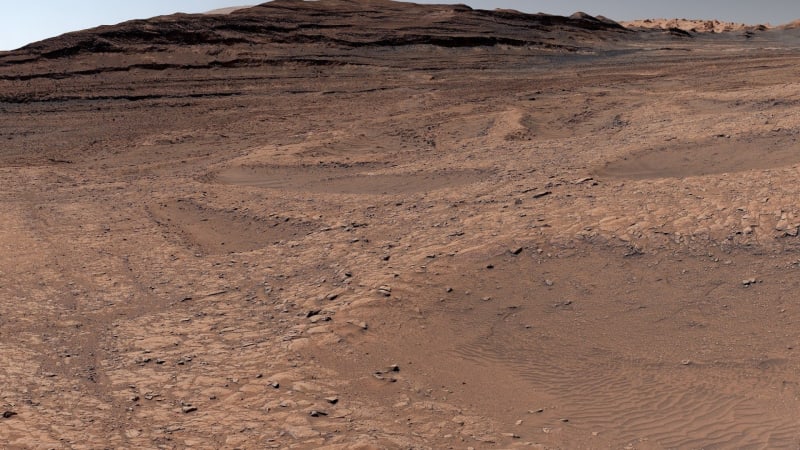
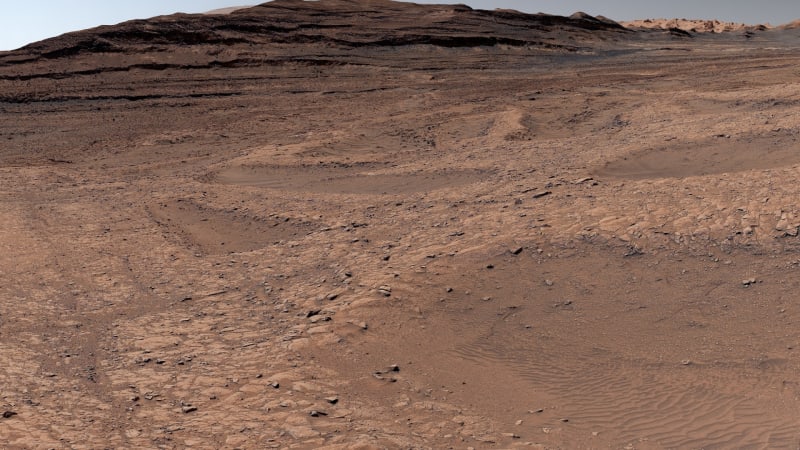
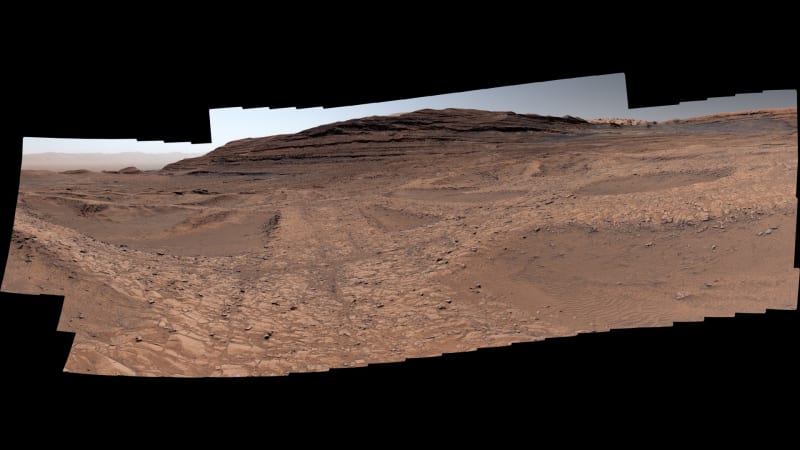
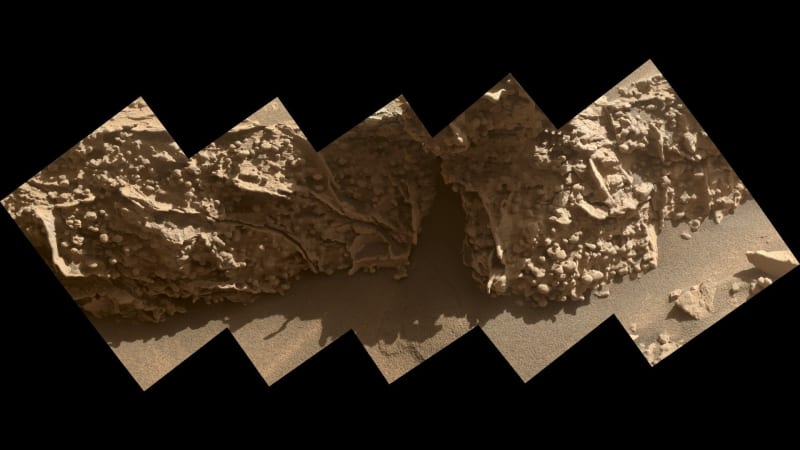
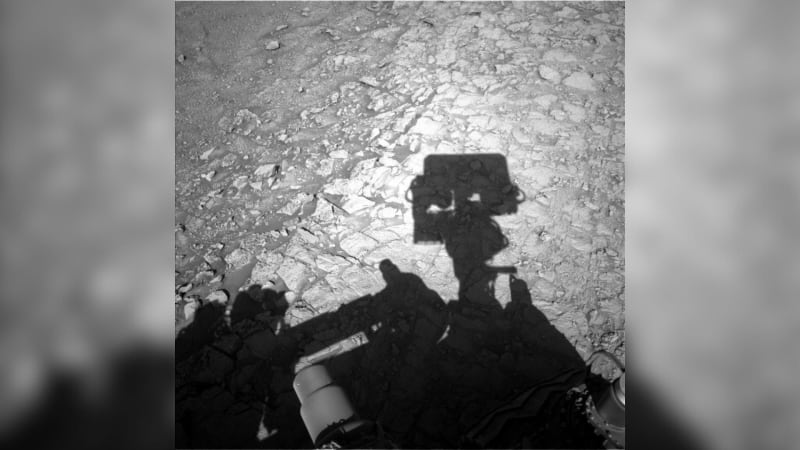
The intricate patterns are part of a boxwork region, networks of ridges standing 3 to 6 feet tall with sandy hollows between them, on the slopes of Mount Sharp inside Gale Crater. Curiosity snapped panoramic photos of the area on September 26, providing scientists their first detailed ground-level view of these mysterious formations.
From orbit, the intersecting ridges look like a massive spiderweb sprawled across the Martian surface. Scientists believe ancient groundwater flowed through cracks in the rock billions of years ago, depositing minerals that hardened certain zones while wind erosion wore away everything else.
The discovery matters because it suggests water existed on Mars much later in its history than previously thought. That means the planet could have supported conditions favorable to microbial life for far longer than scientists estimated.
Getting these photos wasn't easy. Drivers had to carefully steer the nearly one-ton rover along narrow ridgelines barely wider than the vehicle itself, navigating sandy hollows where wheels could slip or get stuck.
"It almost feels like a highway we can drive on," said Ashley Stroupe, operations systems engineer at NASA's Jet Propulsion Laboratory. "But then we have to go down into the hollows, where you need to be mindful of Curiosity's wheels slipping."
Up close, the ridges revealed bumpy, pea-sized mineral nodules scattered along the walls and depressions. These nodules formed from minerals left behind as groundwater dried out, offering fresh insight into how water and minerals interacted across ancient Mars.
As Curiosity climbs the 3-mile-tall Mount Sharp, each layer records a different chapter of Mars' changing climate. The terrain shows a clear shift toward increasingly dry conditions, interrupted by occasional wetter periods when rivers and lakes briefly returned.
Why This Inspires
Finding these boxwork formations so high up the mountain tells scientists something remarkable: the groundwater table must have been much higher than expected. "That means the water needed for sustaining life could have lasted much longer than we thought," said Tina Seeger, a mission scientist from Rice University.
Curiosity has been drilling rock samples from the region, finding clay minerals atop ridges and carbonate deposits in the hollows. Using special wet chemistry techniques, scientists are analyzing these samples for organic molecules that could be linked to life.
The rover will leave the boxwork formations behind in March as it continues climbing, but this discovery opens new questions about Mars' potential to have hosted life and how long those conditions lasted.
More Images
Based on reporting by Space.com
This story was written by BrightWire based on verified news reports.
Spread the positivity!
Share this good news with someone who needs it