Mars-Sized Iron Bar Discovered Hiding in Ring Nebula
Scientists found a massive bar of iron lurking inside the iconic Ring Nebula, spanning 500 times the width of Pluto's orbit. The discovery could reveal secrets about dying stars or possibly the remains of a vaporized planet.
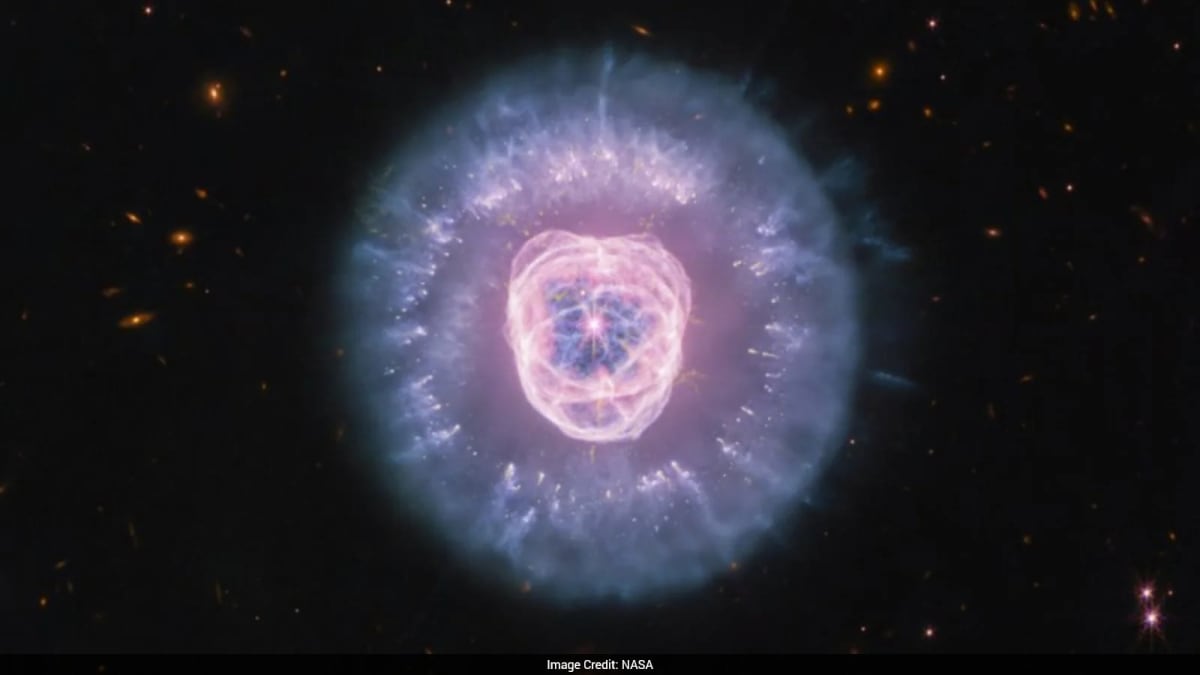
A team of astronomers just discovered something incredible hiding in plain sight: a giant bar of iron stretching through the heart of the Ring Nebula, one of the night sky's most photographed wonders.
The structure is mind-bogglingly huge. It spans 500 times the distance of Pluto's orbit around the Sun and contains enough iron to equal the entire mass of Mars.
Dr. Roger Wesson from University College London led the team that spotted the unexpected feature using a brand new instrument called WEAVE. The tool allowed scientists to map the nebula in far greater detail than ever before, creating images at any wavelength they chose.
"When we processed the data and scrolled through the images, one thing popped out as clear as anything," Wesson said. "This previously unknown bar of ionized iron atoms, in the middle of the familiar and iconic ring."
The Ring Nebula has been studied since French astronomer Charles Messier first observed it in 1779. It's a glowing shell of gas created when a dying star ejects its outer layers into space, much like our Sun will do billions of years from now.
What makes this discovery so exciting is that nobody knows exactly how the iron bar formed. One theory suggests it could reveal new information about how dying stars expel their material in organized patterns rather than random bursts.
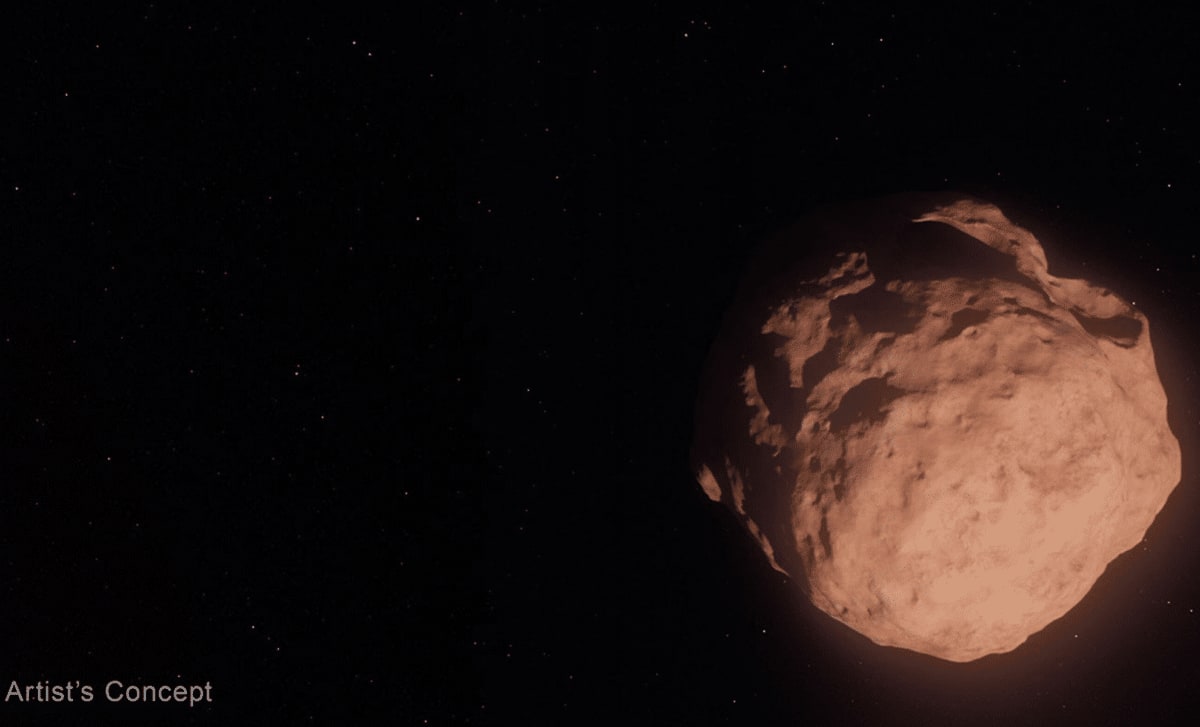
The more speculative explanation is even wilder: the iron could be remnants of a rocky planet that got vaporized when the star expanded during its death throes. Imagine an entire world reduced to a curved arc of plasma, now preserved as evidence of its dramatic end.
Why This Inspires
This discovery shows that even objects studied for nearly 250 years can still surprise us. The Ring Nebula has been photographed by countless telescopes, including the James Webb Space Telescope, yet it took a new way of looking to reveal this hidden feature.
The team plans to conduct follow-up studies with higher resolution instruments to determine if other elements exist alongside the iron. Professor Janet Drew emphasized they need this information to figure out which theory is correct.
Dr. Wesson believes similar structures probably exist in other nebulae too. "It would be very surprising if the iron bar in the Ring is unique," he noted.
Over the next five years, the WEAVE instrument will study everything from nearby dying stars to extremely distant galaxies. Each observation could reveal more hidden wonders waiting to be discovered in familiar corners of our universe.
The cosmos still has plenty of secrets left to share.
Based on reporting by Science Daily
This story was written by BrightWire based on verified news reports.
Spread the positivity!
Share this good news with someone who needs it