Marshall University's Brain Surgery Tool Boosts Precision
A neurosurgeon's operating room frustration just sparked a breakthrough device that could make delicate brain procedures safer and faster. The DBS Lead Lock, born from real surgical challenges, is already in prototype testing.
When Dr. Heather Pinckard-Dover performed brain surgeries, she kept noticing the same problem: the tiny electrical leads she was implanting kept shifting, threatening precision that literally matters by millimeters.
So she decided to fix it herself. Now, Marshall University and Intermed Labs are turning her idea into reality with a device called the DBS Lead Lock.
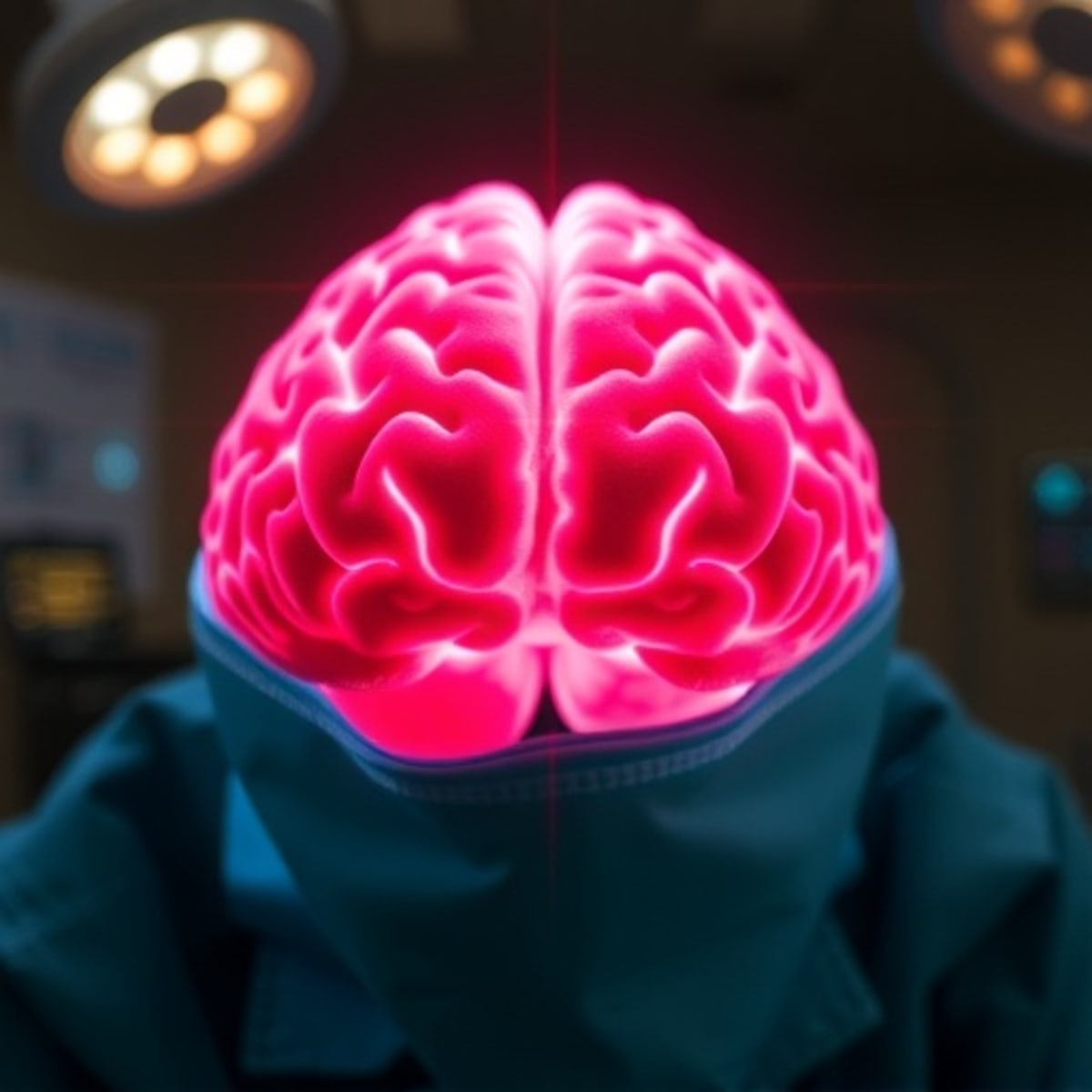
Deep brain stimulation helps thousands of people manage Parkinson's disease and essential tremor by sending electrical pulses to specific brain regions. But getting those hairline leads into exactly the right spot requires extraordinary accuracy, and current tools for holding them in place leave room for improvement.
Dr. Pinckard-Dover, a neurosurgeon and Associate Professor at Marshall's Joan C. Edwards School of Medicine, experienced this firsthand. Even tiny movements during surgery can throw off the targeting, undermining the entire procedure.
The Ripple Effect
This collaboration showcases what happens when doctors don't just complain about problems but actually solve them. Marshall's Advanced Manufacturing Center is building prototypes, combining clinical wisdom with engineering expertise to create something that works in real operating rooms, not just on paper.
Ashok Aggarwal, co-founder of Intermed Labs, points out that clinician-driven innovation like this has a better shot at actually getting used. When the person who will hold the device helps design it, you get practical solutions instead of theoretical ones.
The new fixation system could shorten surgery times, reduce complications, and ultimately give patients better outcomes. While specific design details remain under wraps during development, the team is focused on biomechanics and materials that secure leads without slowing surgeons down.
Marshall University President Brad D. Smith sees this as a model for how universities, hospitals, and industry partners can work together to turn everyday surgical challenges into breakthroughs with national impact.
The DBS Lead Lock is still moving toward human trials and regulatory approval, but it already represents a shift in how medical devices get created. The best innovations often come from the people doing the work, not from boardrooms guessing at their needs.
More Images


Based on reporting by Google News - Innovation Technology
This story was written by BrightWire based on verified news reports.
Spread the positivity!
Share this good news with someone who needs it