Maryland Bans HOAs From Blocking Pollinator Gardens
After a couple faced legal threats for their native plant garden, Maryland passed a groundbreaking law protecting pollinator habitats from restrictive homeowner associations. The victory could inspire similar protections nationwide as communities work to save struggling bee populations.
When Janet and Jeff Crouch received a cease-and-desist letter demanding they destroy their 17-year-old pollinator garden, they never imagined their fight would change state law. But their stand against their Maryland homeowners association just sparked a legal revolution for backyard conservationists across the state.
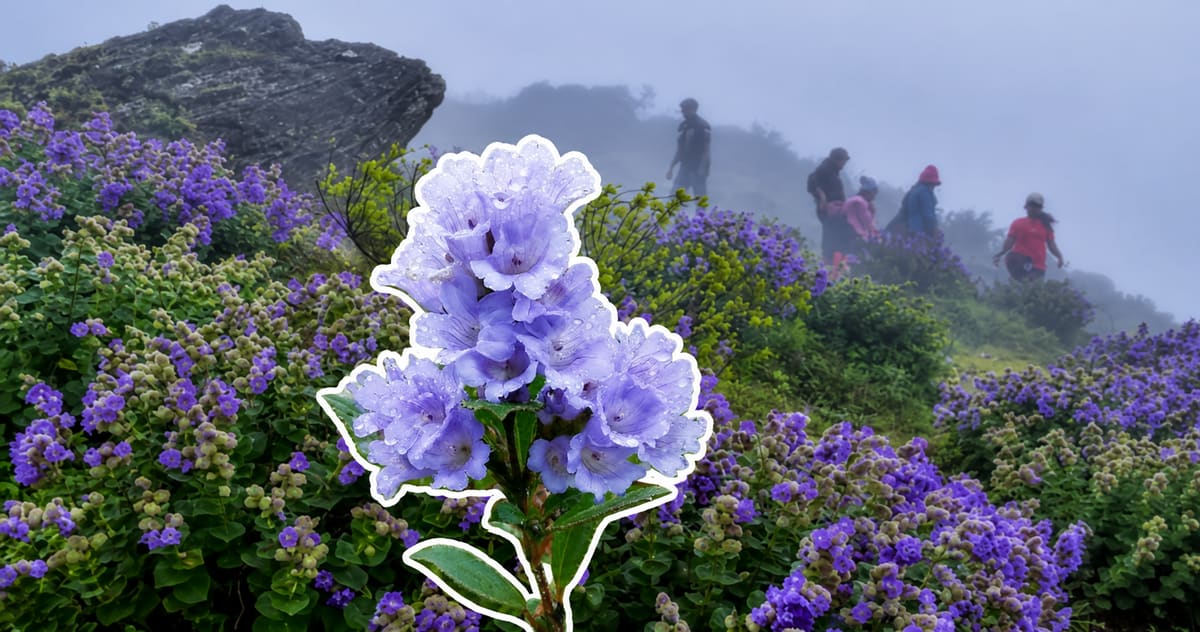
The Columbia, Maryland couple had spent nearly two decades transforming their barren lawn into a thriving native plant sanctuary. Purple violets and bright yellow ragwort bloomed each spring, giving way to pink garden phlox and scarlet bee balm by summer. Bees, hummingbirds, butterflies, and moths made the garden their home.
For Jeff, a therapist, the garden became a daily refuge. He'd come home from work and head straight outside to see what had bloomed or which new bird had arrived. Sometimes neighborhood kids would stop by, and he'd pick them a flower.
Then in 2017, their HOA ordered them to rip it all out and replace everything with turf grass. The couple had ten days to comply or face legal action.
The Crouches hired an attorney who pointed out they hadn't actually violated any written rules. The HOA's guidelines simply didn't address native plant gardens. After six anxious months of silence, the HOA responded with an even harsher demand: remove both the front and back gardens entirely.
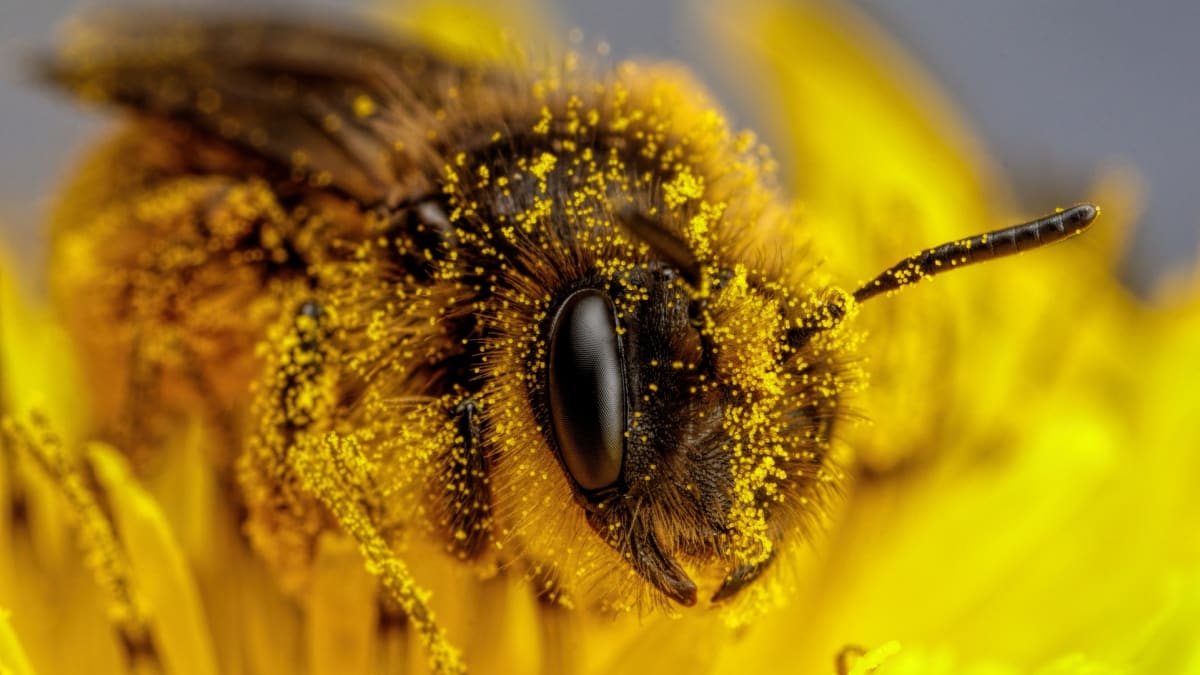
The legal battle that followed caught the attention of Maryland state legislators. Lawmakers recognized that while bees face threats from industrial agriculture and climate change, unnecessary restrictions on pollinator-friendly yards were making the crisis worse. HOAs across the country often mandate uniform lawns that require harmful pesticides, banning the diverse native plants that pollinators desperately need.
The Ripple Effect
The Crouches' courage sparked real change. Maryland legislators passed a new law protecting homeowners' rights to plant native gardens, even when HOAs object. The legislation recognizes that individual yards can serve as crucial habitat corridors for struggling pollinator populations.
The law sets a precedent that could spread to other states, empowering thousands of homeowners to transform their properties into pollinator sanctuaries. As bee populations continue declining nationwide, these backyard havens are becoming essential lifelines for insects that help grow one-third of our food supply.
The victory shows how one family's determination to protect what they love can create waves of positive change. Native plant advocates across the country are now using Maryland's example to push for similar protections in their own states.
Today, the Crouches' garden still blooms in full glory, a testament to the power of standing up for what matters and proof that small acts of conservation can grow into something much bigger.
More Images



Based on reporting by Live Science
This story was written by BrightWire based on verified news reports.
Spread the positivity!
Share this good news with someone who needs it