Maryland Woman Free From Sickle Cell Pain After Gene Therapy
A Maryland mother who spent years in and out of hospitals every month is now living pain-free after becoming the first woman in her state to receive groundbreaking gene therapy for sickle cell disease. Clinical trials show up to 93% of patients stopped experiencing severe pain crises.
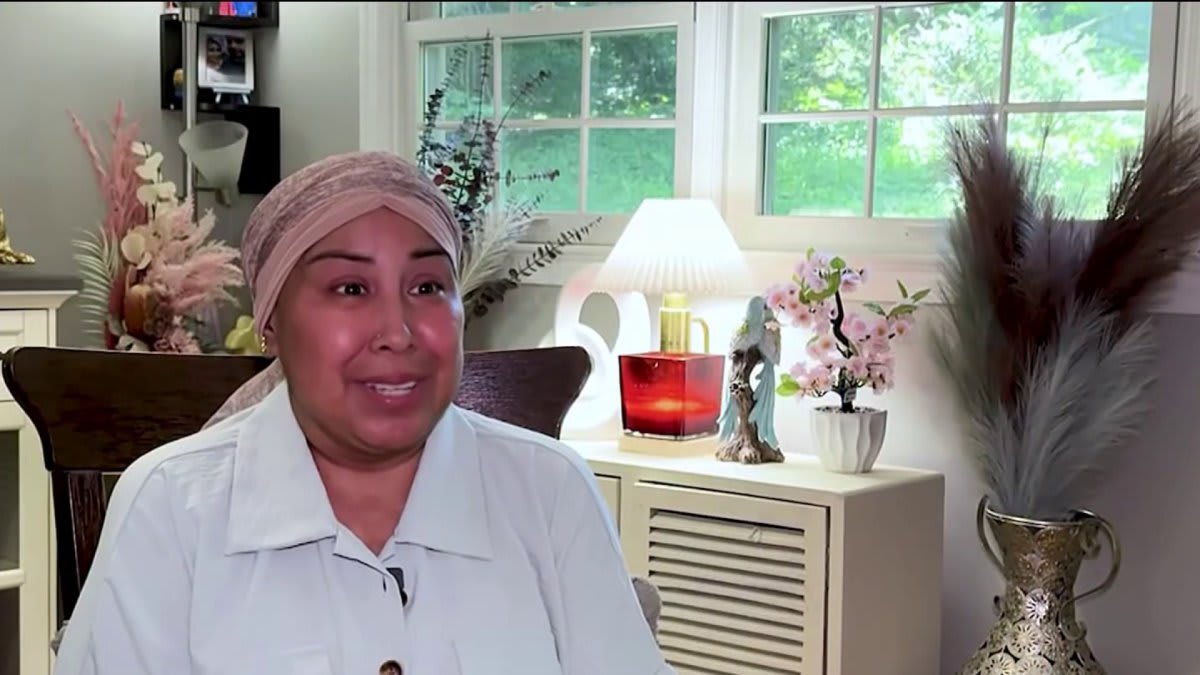
For 41 years, Jessica Ceja knew exactly what sickle cell disease felt like: excruciating pain so severe she couldn't talk or move, sharp knives stabbing through her body, and a hospital bed waiting every four to six weeks. Now, for the first time in her life, the Silver Spring mother of three is imagining a future without that pain.
Ceja just became the first woman in Maryland to receive a revolutionary gene therapy for sickle cell anemia at the University of Maryland Medical Center. The treatment uses her own genetically modified stem cells to prevent the serious complications that have dominated her entire life.
Sickle cell disease causes red blood cells to form abnormal shapes that block blood flow, leading to severe pain crises and progressive organ damage. The condition affects roughly 100,000 Americans, with over 90% being Black or African American.
"In and out of hospitals every four to six weeks, so that really took a toll," Ceja said about her life before treatment. The disease had reached the point where she needed constant medical care just to keep going, unable to fully participate in her children's lives or pursue her own dreams.
Why This Inspires
The results speak for themselves. In clinical trials, between 88% and 93% of patients stopped experiencing severe pain crises after receiving the therapy. Dr. Jean Yared, Ceja's hematologist, described watching her recovery as "very much rewarding" and said seeing the smile on her face when she no longer needs frequent hospital visits makes the breakthrough even more meaningful.
Surrounded by her medical team and loved ones at her completion ceremony, Ceja couldn't contain her emotions. "I mean, it's a whole new life," she said through tears. "Essentially, I'm having a chance at a life where I'm not tied to beds, to a hospital bed, anymore."
Doctors said they hope to expand access to the gene therapy so more patients can experience the same transformation. For Ceja's family, who endured countless difficult moments watching her suffer, the treatment represents hope they once thought impossible.
"This is giving me a chance to do all the things that I missed out on," Ceja said. "I'll be able to do all the things that I wanted to do."
More Images


Based on reporting by Google News - Health Breakthrough
This story was written by BrightWire based on verified news reports.
Spread the positivity!
Share this good news with someone who needs it