Massachusetts Speeds Up Clean Energy Permits
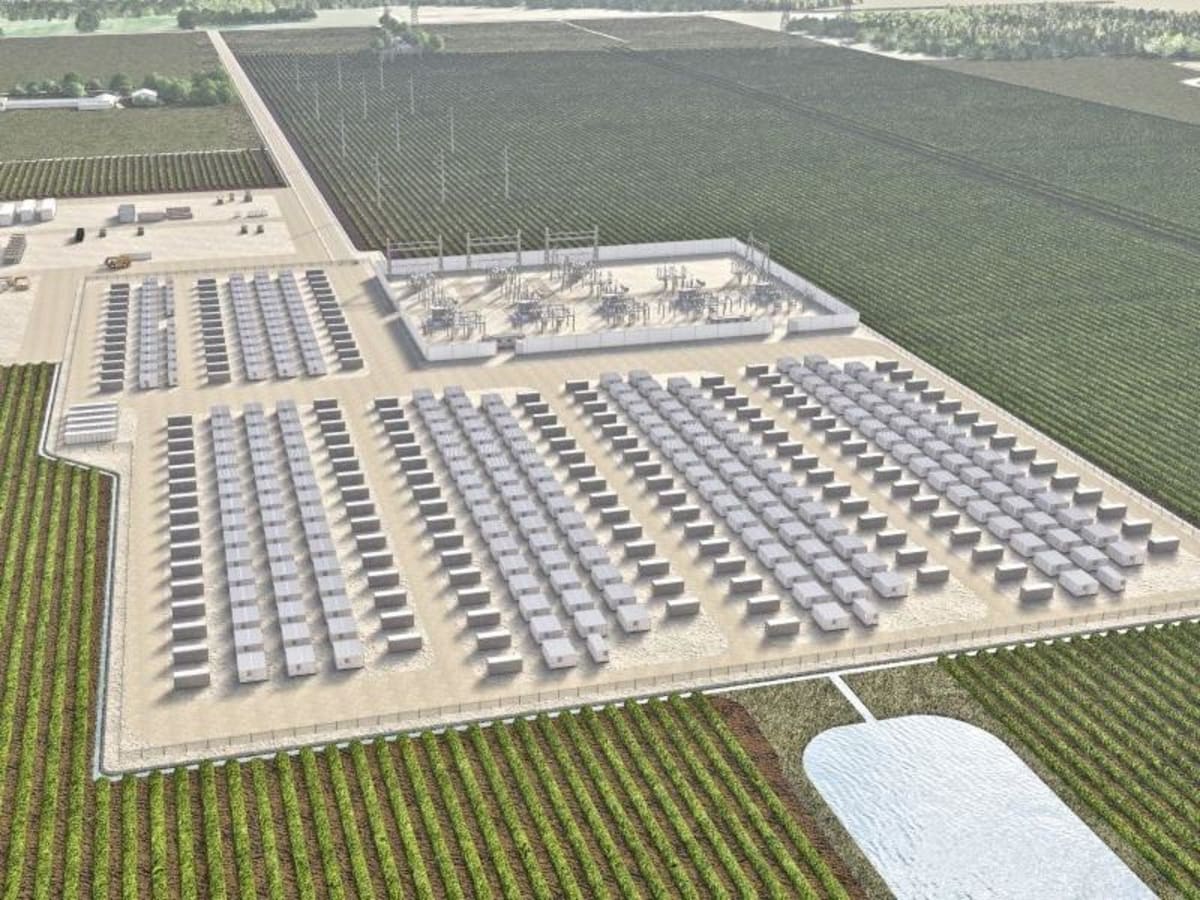
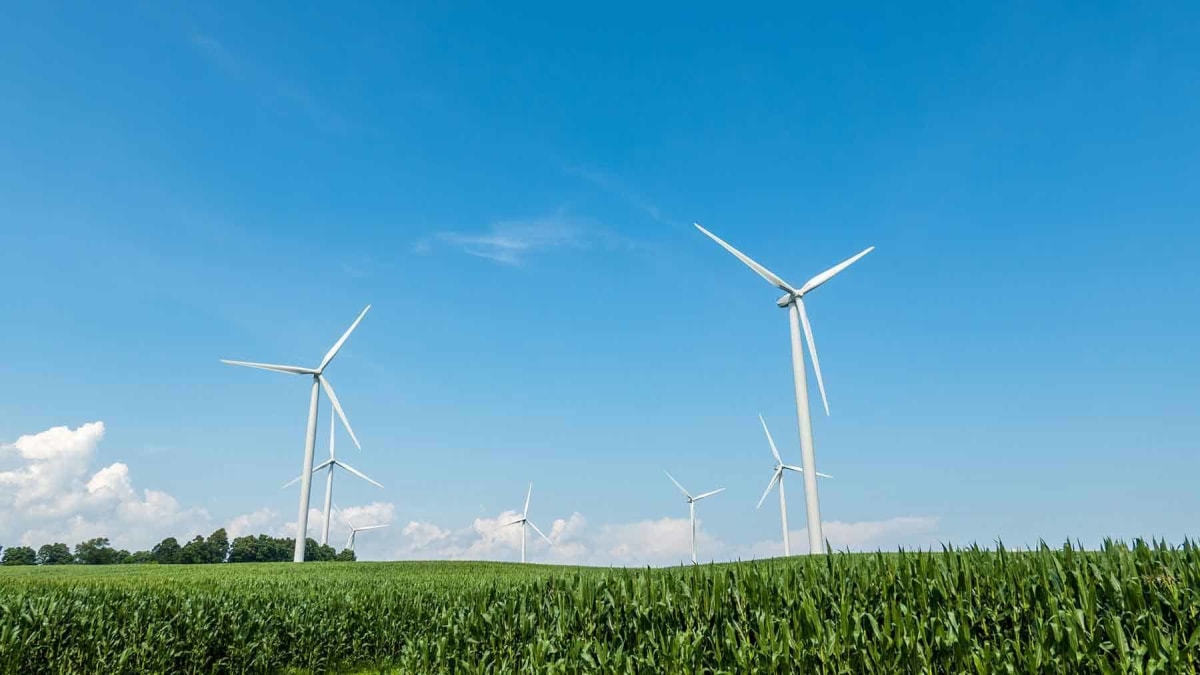
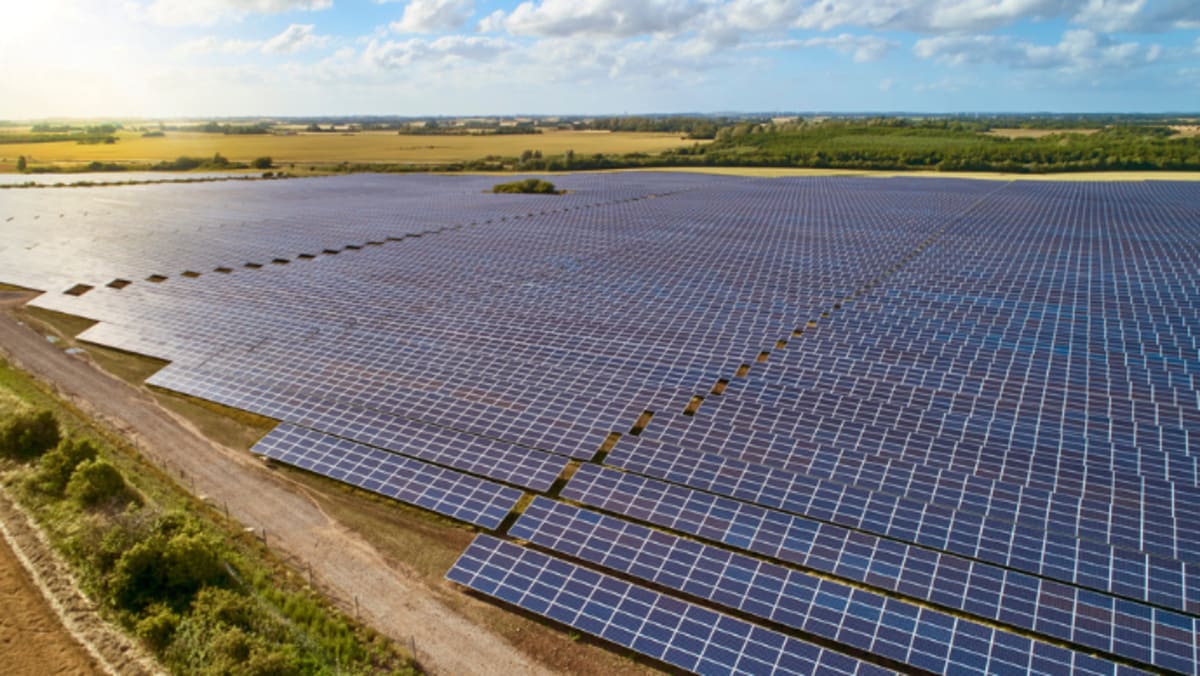
Massachusetts just finalized groundbreaking rules that will cut through red tape for solar, wind, and battery projects, making it faster and easier to build the clean energy infrastructure we need. After a year of collaboration between regulators and stakeholders, the new system promises to transform how quickly communities can access renewable power.
Getting clean energy projects approved in Massachusetts just got a whole lot easier, and that's great news for everyone who wants cleaner air and lower energy costs.
After more than a year of work, state regulators finalized sweeping new rules on February 27 that completely overhaul how solar, wind, and battery storage facilities get permitted. It's the biggest change to the state's energy approval process in decades.
Here's what actually changed. Small projects under 25 megawatts can now get all their local permits through one simple application instead of juggling multiple agencies. Larger facilities get a similar boost, with all state and local approvals bundled into a single 15-month review process.
The new system also makes sure everyone has a voice. Before filing any application, developers must hold public meetings and consult with community members. And here's something really special: community groups that couldn't afford to participate in energy hearings before can now get grants up to $150,000 to make sure their concerns are heard.
The changes come from Massachusetts' 2024 Climate Act, which set ambitious goals to speed up clean energy while keeping communities involved. Local governments will start accepting the streamlined applications by October 1, 2026.
The Ripple Effect
This isn't just about faster paperwork. When clean energy projects move forward more quickly, communities get cleaner air sooner, energy costs stabilize faster, and local jobs in renewable energy multiply.
The consolidated process means developers can plan better and communities get more predictable timelines. Instead of projects languishing in approval limbo for years, everyone knows what to expect and when.
Other states are watching closely. Massachusetts is showing that you don't have to choose between protecting community input and building the infrastructure we need for a cleaner future. The state found a way to do both.
Some pieces still need finishing touches. Rules about environmental justice impacts and what happens if the state misses a deadline will be finalized by May 2026. Several important guidelines are open for public comment through mid-March, giving stakeholders one more chance to shape how the system works.
The first projects under the new rules will launch over the next year, putting the streamlined process to its first real test. If it works as designed, Massachusetts will have created a blueprint for faster, fairer clean energy development that respects both climate goals and community voices.
For a state trying to meet aggressive climate targets while keeping residents involved, these rules might just be the breakthrough everyone needed.
Based on reporting by Google News - Clean Energy
This story was written by BrightWire based on verified news reports.
Spread the positivity!
Share this good news with someone who needs it