Massive Study: Most Statin Side Effects Aren't Real
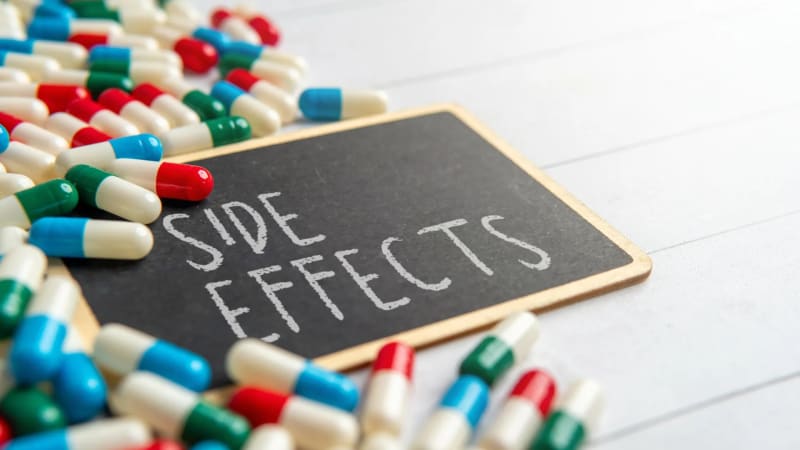
A groundbreaking analysis of 123,940 patients found that statins don't cause most side effects blamed on them. Memory loss, depression, sleep problems, and dozens of other symptoms occurred just as often in people taking fake pills.
Millions of people have stopped taking lifesaving heart medication because of fears that turned out to be wrong.
Researchers at Oxford University just completed one of the largest drug safety studies ever conducted, analyzing data from 23 major trials involving over 150,000 people. What they found could save countless lives: statins don't cause the vast majority of side effects listed on their warning labels.
The numbers tell a remarkable story. Memory problems appeared in 0.2% of people taking statins and 0.2% of people taking placebo pills. Depression, sleep issues, weight gain, fatigue, headaches, and nausea all showed up at nearly identical rates whether people took the real drug or a fake pill.
Out of 66 potential side effects examined, only four showed any link to statins at all. Even those were rare, affecting only a tiny fraction of patients.
Heart disease kills roughly 20 million people worldwide each year. Statins have been proven to prevent heart attacks and strokes by lowering bad cholesterol, but misinformation about side effects has led many at-risk patients to stop treatment or never start.
"Statins are lifesaving drugs used by hundreds of millions of people over the past 30 years," said Christina Reith, Associate Professor at Oxford Population Health and lead author of the study. "Our study provides reassurance that, for most people, the risk of side effects is greatly outweighed by the benefits."
The research did find small, genuine effects. About 1% of people experienced muscle symptoms during their first year of use, with no additional risk after that. Statins can also slightly raise blood sugar levels, meaning some people at high risk for diabetes might develop it somewhat sooner.
Liver blood tests showed mild abnormalities in about 0.1% more statin users, but this didn't lead to serious liver disease. These findings came from double-blind studies where neither patients nor doctors knew who received real medication, eliminating bias.
Why This Inspires
This research represents science working exactly as it should. Instead of dismissing patient concerns, researchers meticulously examined data from decades of studies to separate fact from fear.
Professor Bryan Williams, Chief Scientific and Medical Officer at the British Heart Foundation, called the findings "hugely important" and "a much-needed counter to the misinformation around statins" that should "help prevent unnecessary deaths from cardiovascular disease."
The researchers are now calling for rapid revision of statin warning labels to reflect what the evidence actually shows. Better information means patients and doctors can make decisions based on facts, not fears.
For the millions of people who could benefit from statins but have been too worried to take them, this massive study offers something priceless: the truth backed by solid evidence.
Based on reporting by Health Daily
This story was written by BrightWire based on verified news reports.
Spread the positivity!
Share this good news with someone who needs it