Math Proves 433 Philippine Lottery Winners Weren't Cheating
When 433 people won the Philippine lottery with multiples of 9, the world cried foul. A Fields Medal winner used math to prove the stunning coincidence was actually legit.
When 433 people split the Philippine lottery jackpot on October 1, 2022, the world assumed something shady was happening.
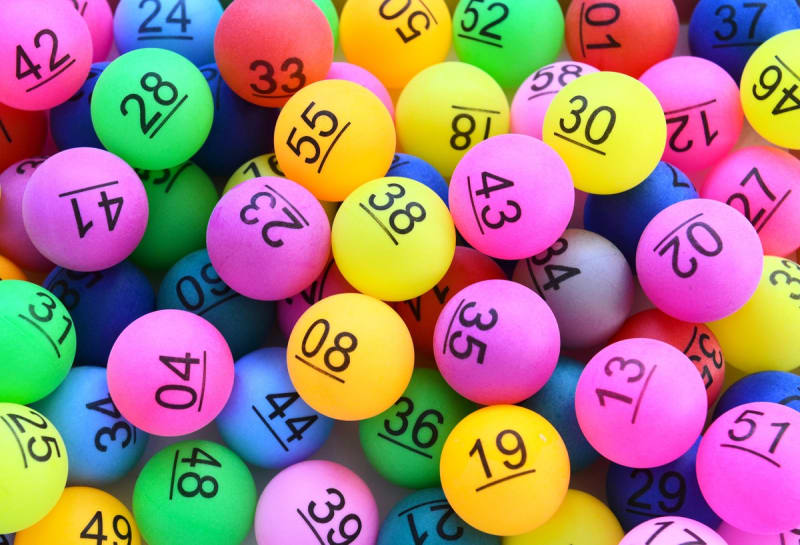
The winning numbers seemed impossibly suspicious: 9, 18, 27, 36, 45, and 54. All perfect multiples of 9. International observers immediately accused the lottery of fraud.
But here's the beautiful twist: renowned mathematician Terence Tao stepped in to investigate using Bayesian probability. What he discovered challenges how we think about coincidences.
The odds of those exact numbers appearing were indeed 1 in 29 million. But here's the catch: every other possible combination has the exact same odds. Nothing about this draw was mathematically more unlikely than any other outcome.
Tao examined multiple fraud scenarios using advanced statistics. If corrupt officials had rigged the game by choosing numbers beforehand, they probably wouldn't have picked such an obvious pattern. That made deliberate fraud less likely, not more.
He also tested whether a broken machine could have caused the pattern. But when the next lottery on October 3 produced completely random numbers (8, 10, 12, 14, 26, 51), that theory collapsed too.
The reality is simpler and more hopeful than conspiracy theorists wanted to believe. Many Filipinos regularly play number patterns, including multiples. They bet birthdays, anniversaries, and yes, mathematical sequences.
Why This Inspires
This story reminds us that our brains are wired to see patterns and assume the worst when coincidences happen. But sometimes the world is exactly as random and fair as it should be.
Tao's investigation shows how science can cut through suspicion and restore trust. Instead of assuming corruption, he used mathematics to demonstrate that unlikely events happen all the time in truly random systems.
The 433 winners weren't cheaters or conspirators. They were just regular people who happened to like the same number pattern, and they all got incredibly lucky on the same day.
Mathematics didn't just solve a mystery here—it defended ordinary people against unfair accusations and showed that sometimes, good fortune really does happen to hundreds of people at once.
More Images



Based on reporting by Scientific American
This story was written by BrightWire based on verified news reports.
Spread the positivity!
Share this good news with someone who needs it