Maui Wetlands Store 5X More Carbon Than Forests
Hawaii's coastal wetlands are climate superheroes, storing five times more carbon than forests while protecting shorelines. After 23 years of restoration work, Maui's refuges are showing how nature-based solutions can fight climate change.
Beneath the marsh grasses and native plants of Maui's coastal wetlands lies one of nature's most powerful climate weapons.
Wetlands can store up to five times as much carbon as forests. The Hawaii Land Trust has spent over two decades proving these overlooked ecosystems deserve a starring role in the state's climate strategy.
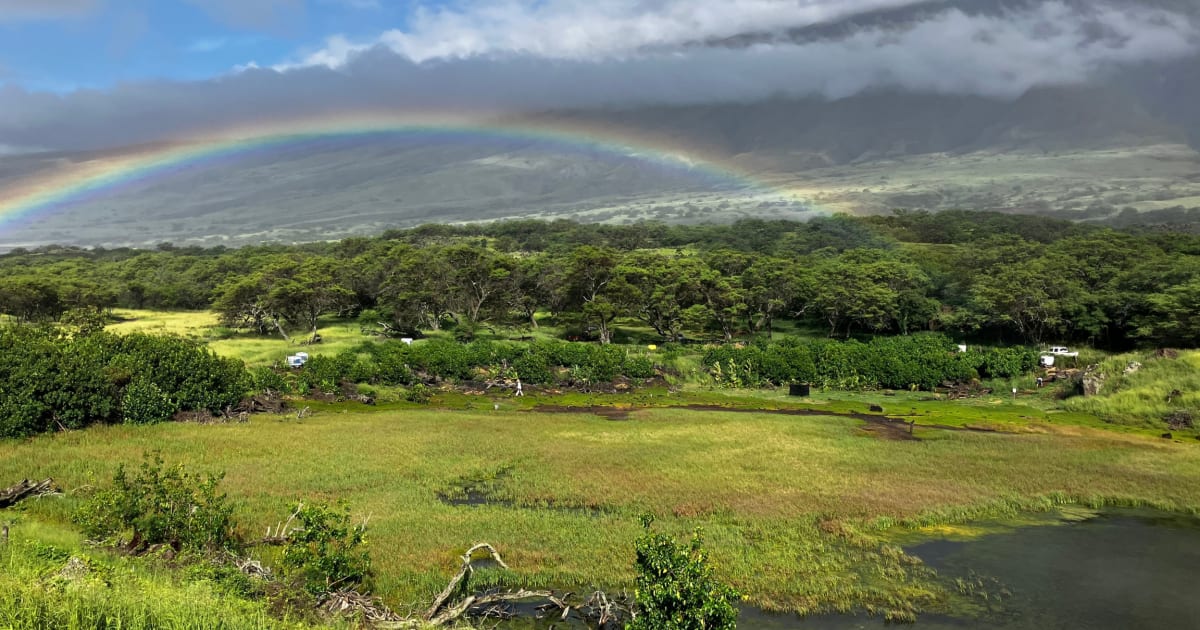
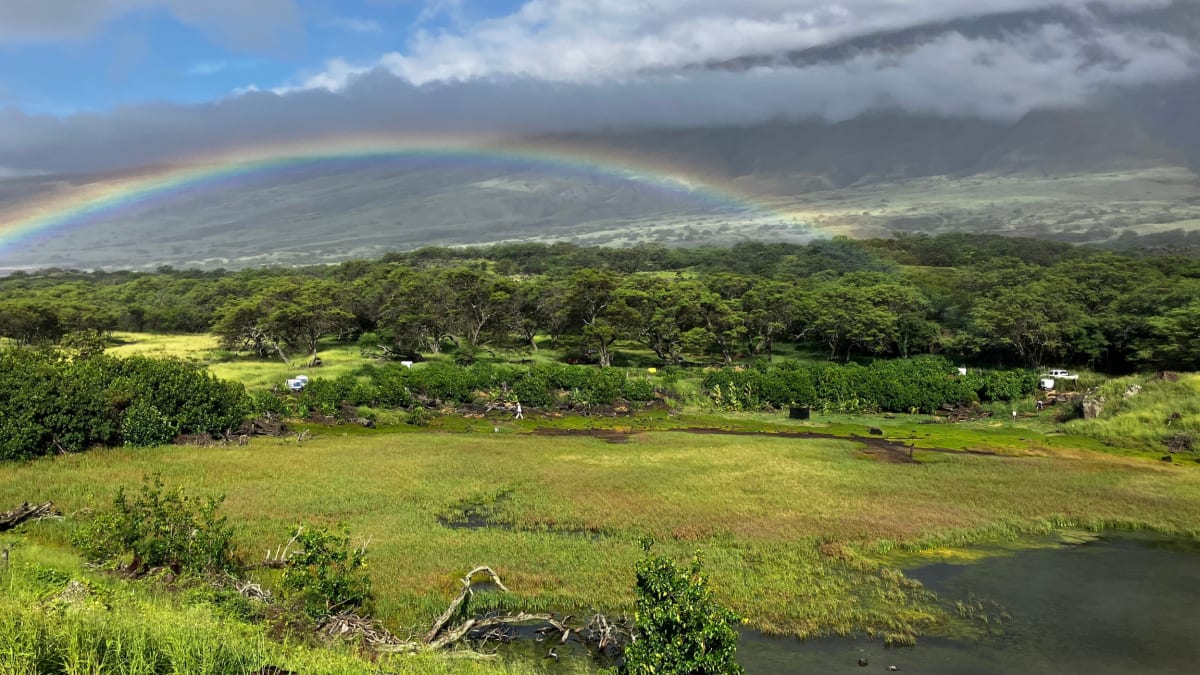
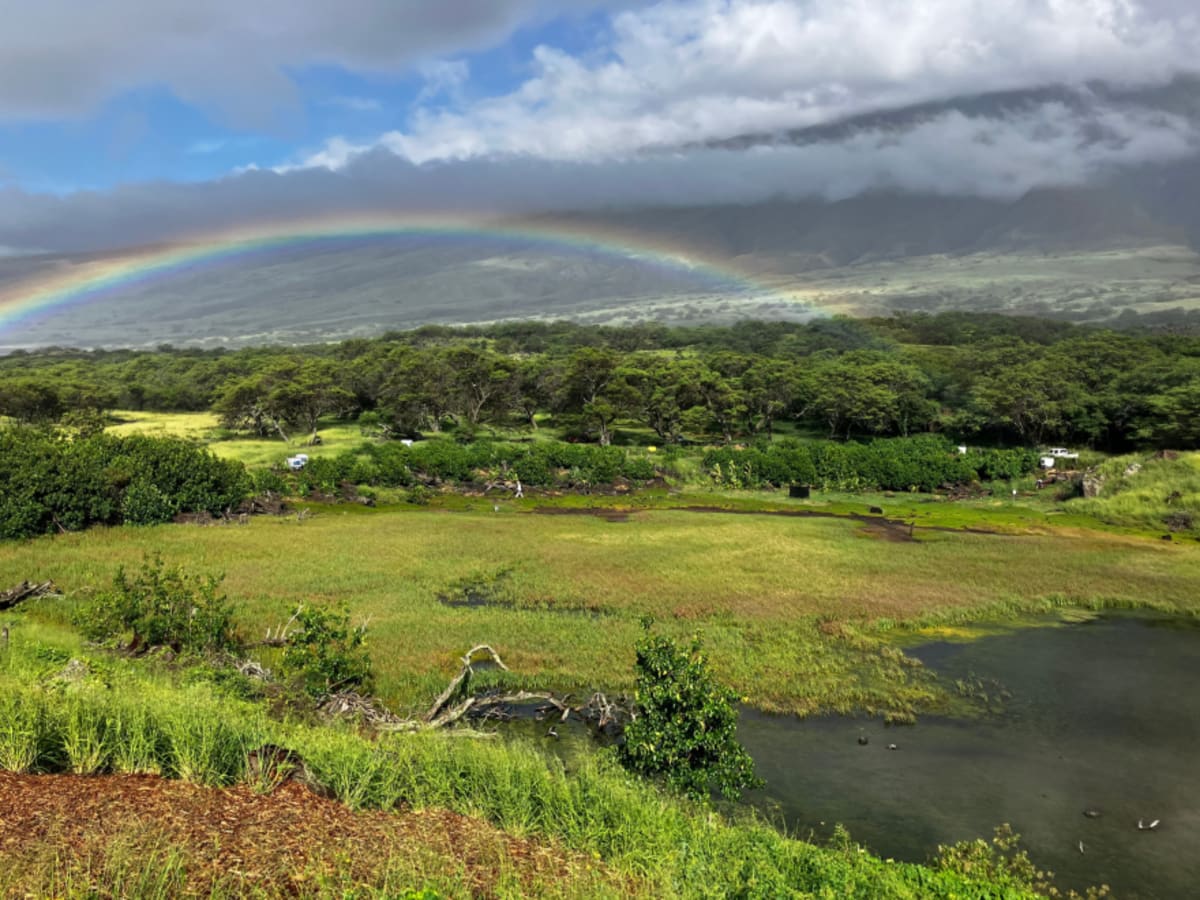
Scott Fisher has worked with the Hawaii Land Trust for more than 20 years, watching the Waihe'e Refuge transform from degraded land into a thriving 277-acre sanctuary. The refuge includes coastal wetlands, sand dunes, and marine shoreline that now teem with native species.
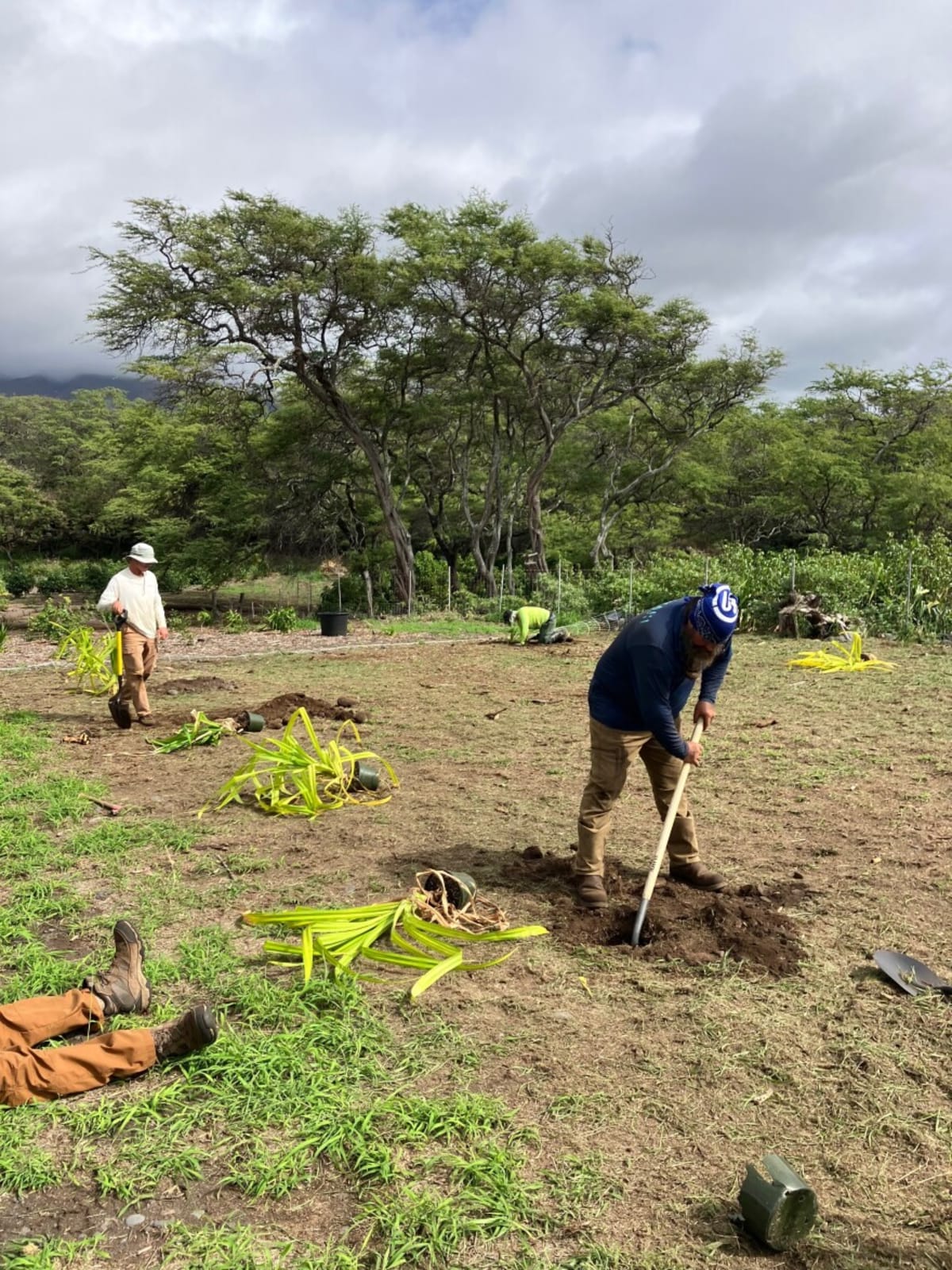
The restoration work goes beyond pulling invasive plants. Fisher and his team study centuries of storms and tsunamis to understand what threats these wetlands might face in the future.
"We want to know what are the past disturbances," Fisher explained. His recent research uncovered evidence of tsunamis scientists never knew existed.
That detective work is paying off. The trust is now planting a forested bioshield around its wetlands to protect them from future tsunami damage while filtering sediment before it reaches coral reefs offshore.
The benefits stack up quickly. These wetlands absorb floodwater during storms, shield coral reefs from harmful runoff, and provide homes for native birds and plants found nowhere else on Earth.
The work matters because time is running out. Oahu has lost more than half of its wetlands over the past century to development and neglect.
The Ripple Effect
What happens in Maui's marshes ripples across the entire island ecosystem. When wetlands filter sediment, nearby coral reefs stay healthier and support more fish. When native forests buffer the wetlands, both ecosystems grow stronger together.
The trust manages a second refuge called Nu'u on Maui's southeast coast, applying the same restoration playbook. Each acre of healthy wetland becomes a teaching lab for other communities looking to harness nature's climate solutions.
Fisher's approach combines ancient Hawaiian land management wisdom with cutting-edge science. Paleoecological studies reveal which native plants once thrived in these areas, guiding replanting efforts that honor the islands' ecological history.
The restored wetlands don't just fight climate change. They adapt to it, building resilience into Hawaii's most vulnerable coastal areas while pulling carbon from the air.
More Images

Based on reporting by Google News - Climate Solution
This story was written by BrightWire based on verified news reports.
Spread the positivity!
Share this good news with someone who needs it