Max Space Unveils Moon Habitat That Expands 20x in Orbit
A Florida company just showcased a revolutionary expandable space habitat that could transform how humans live on the Moon and beyond. The lightweight structure launches compact on a single rocket, then expands to 20 times its size once deployed.
Imagine packing an entire lunar home into a shipping container, then watching it bloom into a spacious habitat once it reaches the Moon.
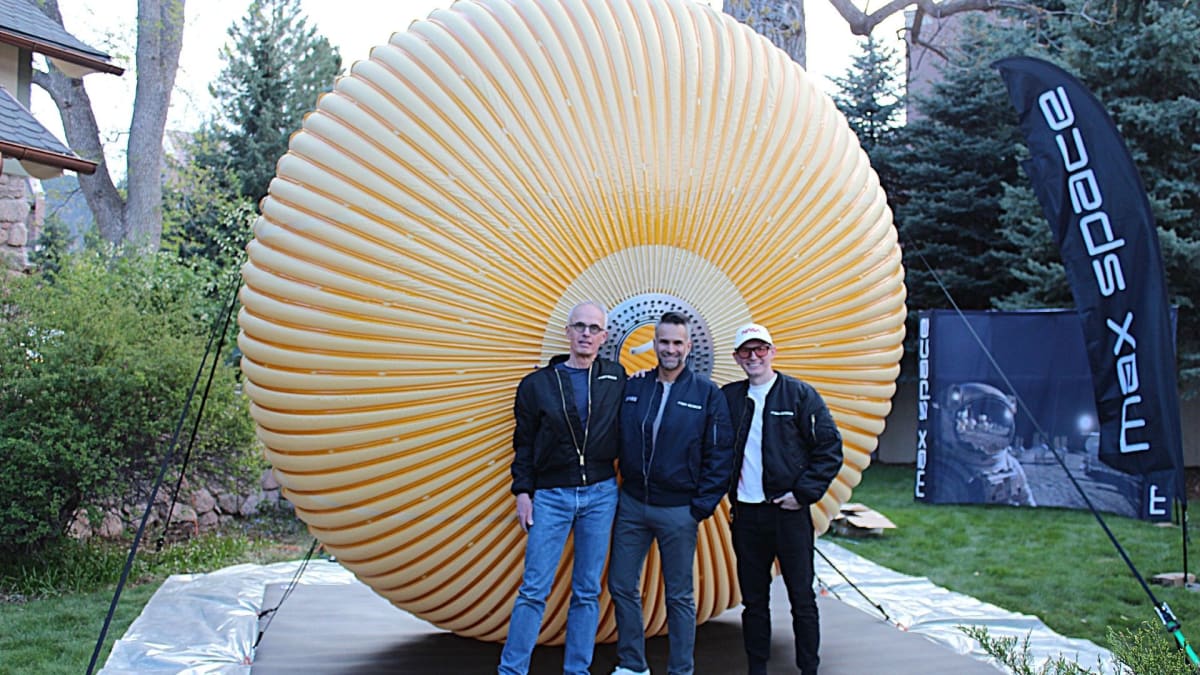
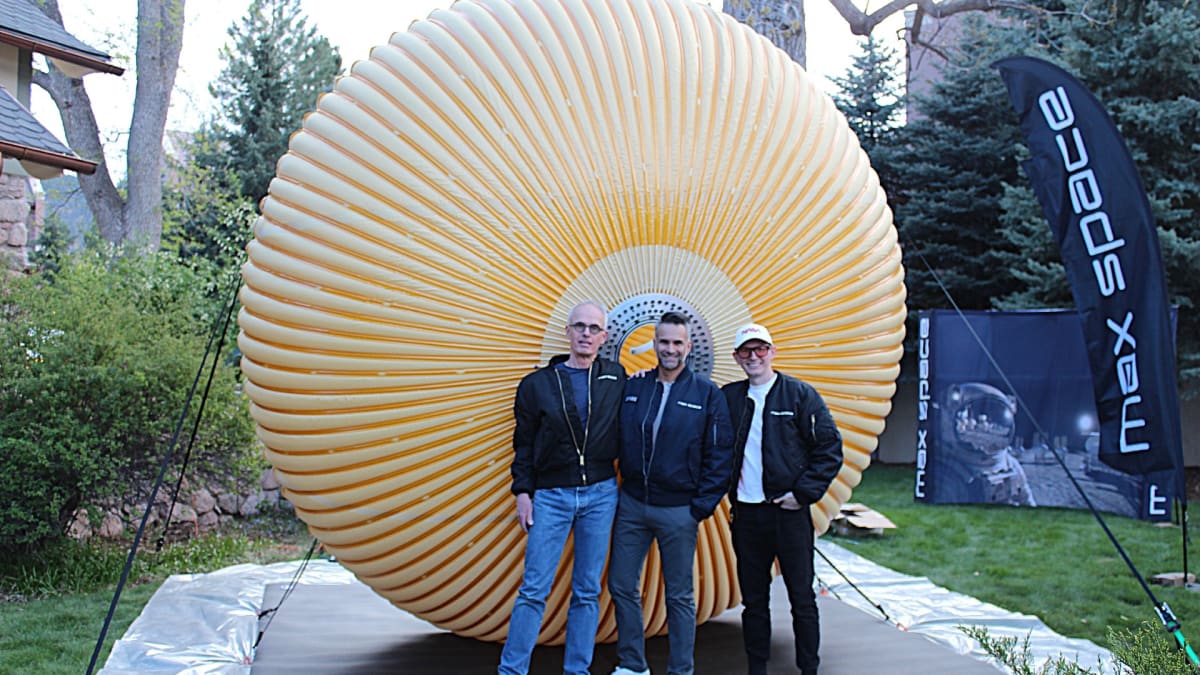
Max Space just made that vision tangible at the Space Foundation's annual symposium in Colorado Springs. The Florida-based company unveiled a large demonstration of their expandable habitat technology, showing attendees exactly how future space explorers could enjoy far more living space with far less rocket fuel.
"If we are serious about permanent human presence on the Moon and in space, we need real estate that is scalable and built for how humans will actually live and operate off Earth," said Saleem Miyan, Max Space's co-founder and CEO. The company's innovative design launches compactly aboard a single SpaceX Falcon 9 rocket, then expands 20 times larger once deployed at its destination.
The breakthrough addresses one of space exploration's biggest challenges: volume. Traditional rigid habitats take up precious rocket cargo space even when empty, but Max Space's expandable design maximizes living area while minimizing launch costs and logistical headaches.
The company isn't just dreaming big. They're building on over three decades of material science expertise, ensuring their fabrics and structures can withstand the harsh realities of long-duration space flights and lunar conditions.
In February, Max Space partnered with Voyager Technologies to fast-track development. "This technology reflects a fundamental shift in how humanity will live and work in space," said Dylan Taylor, Voyager's chairman and CEO. Their collaboration includes ground testing and in-space demonstrations planned for later this decade, aligned with NASA's exploration timelines.
Why This Inspires
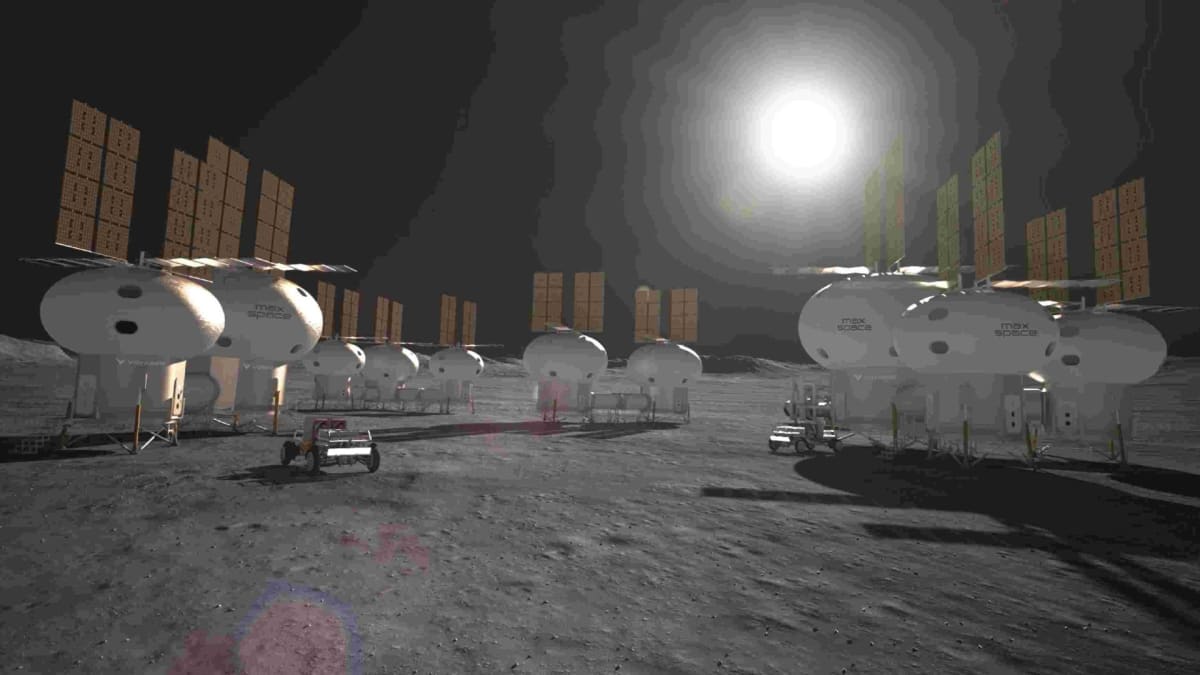
This isn't just about building better space stations. It represents a mindset shift from brief visits to permanent presence beyond Earth. The Moon is transitioning from a destination we visit to a place where people will actually live and work, and that requires thinking differently about infrastructure.
Max Space's approach proves that the next generation of space pioneers won't have to choose between cramped quarters and impossible launch costs. The technology exists today to create comfortable, scalable living spaces that make long-term lunar operations realistic.
As Taylor put it, the Moon "is no longer a flags-and-footprints exercise" but "the next operational domain in a growing space economy." With habitats ready to expand on arrival, that future just got a whole lot roomier.
More Images

Based on reporting by Space.com
This story was written by BrightWire based on verified news reports.
Spread the positivity!
Share this good news with someone who needs it