Mayo Clinic Finds Gene That Causes Fatty Liver Disease
Scientists discovered a rare genetic mutation that directly causes fatty liver disease, potentially affecting millions worldwide. The breakthrough could lead to new targeted treatments for a condition that strikes one in three adults.
A father and daughter with severe fatty liver disease stumped their doctors. Neither had diabetes, high cholesterol, or any typical risk factors, yet their livers were filling with dangerous fat.
Mayo Clinic researchers decided to dig deeper. They analyzed over 20,000 genes and found their answer: a rare mutation in the MET gene that disrupts how the liver processes fat.
The discovery rewrites what scientists thought they knew about metabolic dysfunction-associated steatotic liver disease, which affects roughly one-third of adults worldwide. Doctors believed the condition developed mainly from lifestyle factors combined with genetic susceptibility. This study proves that sometimes a single inherited mutation can trigger the disease on its own.
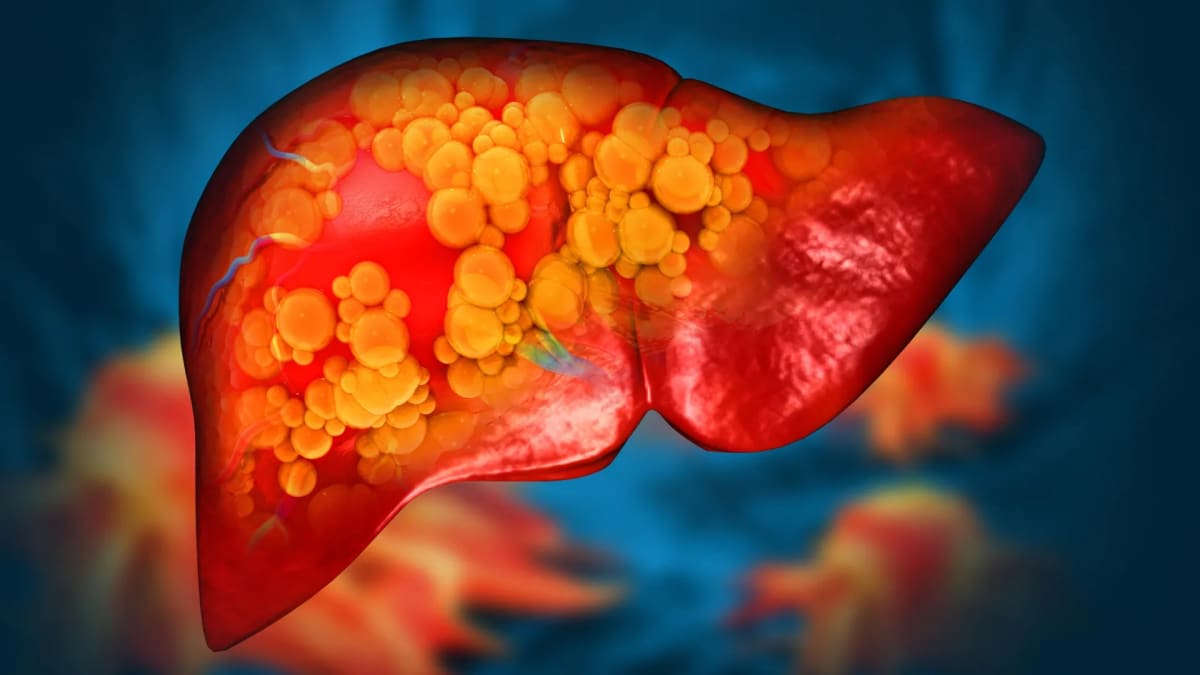
When the MET gene malfunctions, fat accumulates inside liver cells. That buildup sparks inflammation, which can progress to scarring and cirrhosis. In severe cases, patients face permanent liver damage or cancer.
The team then searched Mayo Clinic's Tapestry genomic database, which contains DNA from over 100,000 participants. Among nearly 4,000 adults with fatty liver disease, about 1% carried similar rare variants in the MET gene.
Dr. Konstantinos Lazaridis, who led the research, explains the math. If 1% of fatty liver cases worldwide trace back to this gene, that could mean hundreds of thousands or even millions of people carry these hidden mutations.
The Ripple Effect
This breakthrough does more than solve one medical mystery. It opens doors to personalized treatments that could help patients before their livers suffer permanent damage.
The discovery also proves the power of investigating rare diseases within common conditions. What looks like typical fatty liver disease on the surface might actually stem from specific genetic causes that respond to targeted therapies.
Researchers are now exploring how to screen for these MET gene variants and develop treatments that address the root cause. For families wondering why fatty liver disease runs in their genes despite healthy lifestyles, genomic testing might finally provide answers.
The findings mark one of the first major discoveries from Mayo's Tapestry study, demonstrating how large-scale genomic databases can reveal patterns invisible in smaller research projects. As scientists continue mining this data, they expect to uncover more genetic factors behind diseases once blamed solely on lifestyle.
For the millions living with fatty liver disease, this research offers something powerful: the possibility that precision medicine could one day prevent their condition from progressing to liver failure.
Based on reporting by Health Daily
This story was written by BrightWire based on verified news reports.
Spread the positivity!
Share this good news with someone who needs it