Mayo Clinic Maps Brain to Personalize Epilepsy Treatment
Researchers at Mayo Clinic have created a detailed map of a deep brain region that could help doctors precisely target therapies for people with drug-resistant epilepsy. The discovery shows that brain areas just 3 millimeters apart connect to completely different networks, providing a blueprint for more effective treatment.
For the 17 million people worldwide living with drug-resistant epilepsy, a new brain map could be the key to finally controlling their seizures.
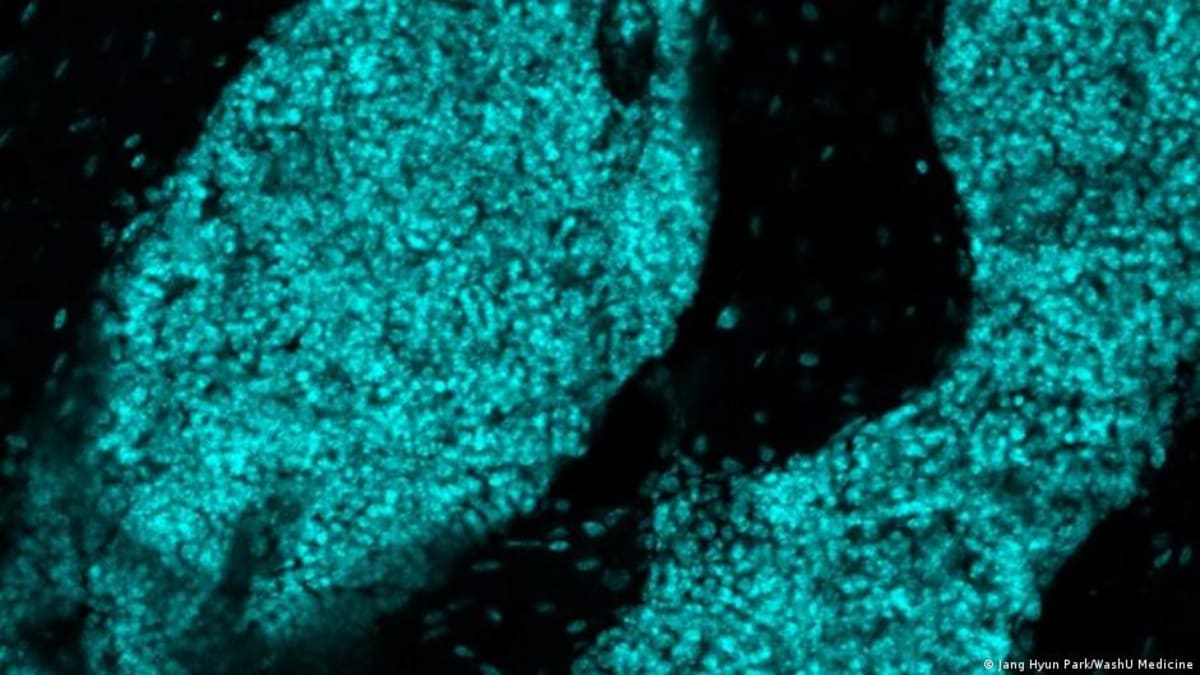
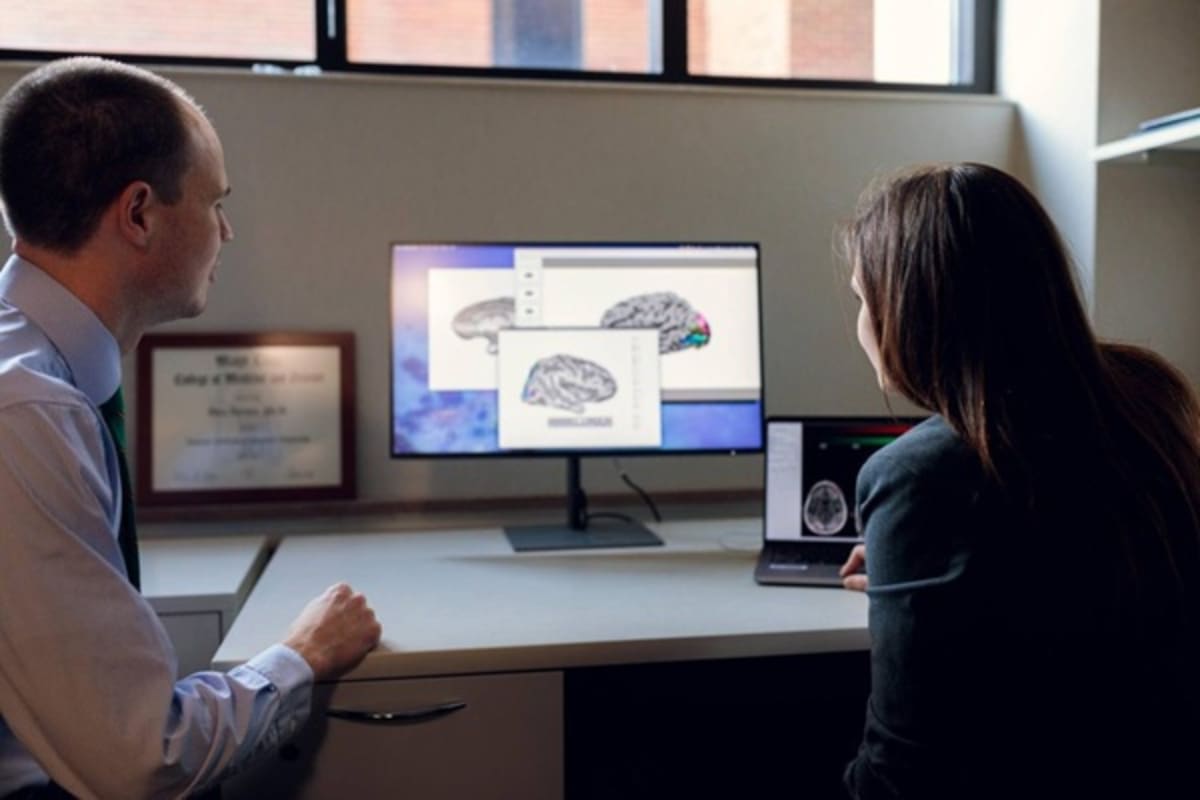
Mayo Clinic researchers have created the most detailed map yet of the pulvinar, a deep brain structure that plays a surprising role in coordinating vision, memory, language and attention. The findings, published in the Journal of Neuroscience, reveal how doctors can more precisely place electrodes during deep brain stimulation therapy.
The discovery happened almost by accident. When Dr. Dora Hermes Miller and her team stimulated the pulvinar in epilepsy patients, they expected the same brain networks to respond every time. Instead, some patients showed activation in visual areas while others didn't.
"We were surprised by how large, detailed and complex this deep brain structure is, and by its potential role in guiding epilepsy treatments," says Dr. Hermes Miller, a biomedical engineer at Mayo Clinic.
The team studied 30 patients with drug-resistant epilepsy who already had temporary electrodes implanted as part of their clinical care. By delivering small electrical pulses to different parts of the pulvinar and measuring responses, they mapped how this largely unexplored region communicates with the rest of the brain.
What they found was remarkable. Brain regions separated by just 3 millimeters connected to entirely different brain networks. That level of precision matters because placing an electrode even slightly off target could mean the difference between controlling seizures and missing the mark entirely.
The Bright Side
The research is already making a difference in patient care. Dr. Nick Gregg, a neurologist at Mayo Clinic, says his team is using these maps right now to help individualize deep brain stimulation targeting for patients with drug-resistant epilepsy.
About one-third of people with epilepsy continue having seizures despite medication. For many of these patients, neuromodulation treatments that use electrical stimulation to regulate brain activity can help reduce seizures. But until now, doctors lacked a detailed guide for where exactly to place the electrodes.
The new maps provide that guide. Doctors can now see which parts of the pulvinar connect to a patient's specific seizure networks and target those regions with precision.
The research is part of Mayo Clinic's BIONIC initiative, which brings together clinicians, scientists and engineers to translate brain science advances into personalized treatments. The team is now investigating which parts of the pulvinar should be stimulated and at what frequencies to better control seizures while minimizing side effects.
For people who have tried medication after medication without relief, this level of personalized precision offers something they haven't had before: real hope for seizure control.
More Images

Based on reporting by Google News - New Treatment
This story was written by BrightWire based on verified news reports.
Spread the positivity!
Share this good news with someone who needs it